

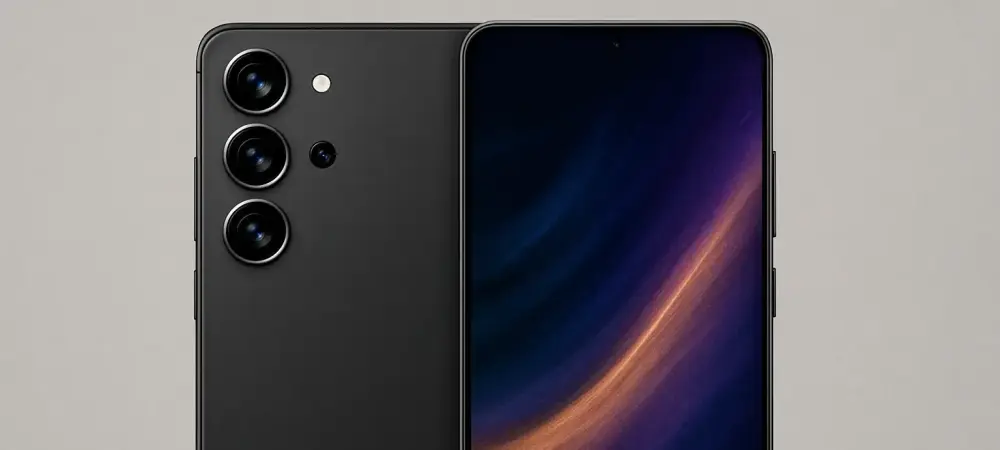
Imagine a smartphone market where a single word in a product name can shift consumer perceptions overnight, potentially making or breaking a brand’s flagship offering, and this is the high-stakes scenario unfolding as rumors swirl about Samsung rebranding its base flagship to the Galaxy S26 Pro, placing it squarely in competition with Apple’s formidable iPhone 17 Pro. With the smartphone industry buzzing over this speculated change, the implications of adopting a “Pro” label are under intense scrutiny. This roundup gathers insights, opinions, and analyses from various industry voices to explore whether Samsung’s naming gamble can stand up to Apple’s latest premium benchmark. The purpose is to dissect the risks, rewards, and strategic considerations of this potential shift, offering a comprehensive view of how branding and innovation interplay in today’s cutthroat market.
Industry Voices on the Rebranding Strategy
The Weight of “Pro” in Smartphone Branding
Across the tech landscape, branding experts emphasize that appending “Pro” to a device name sets an elevated standard in consumer minds. Many note that Apple and Google have successfully leveraged this term to signal top-tier features, creating an expectation of cutting-edge performance. For Samsung, renaming its base model to Galaxy S26 Pro could reposition it as a direct rival to premium offerings, potentially attracting buyers seeking high-end specs.
However, not all opinions align on the benefits. Some market analysts caution that this move might confuse loyal customers accustomed to Samsung’s tiered naming structure, where “Pro” or “Ultra” typically denotes a higher-end variant. If the rebranded device lacks standout upgrades, it risks being perceived as a hollow marketing tactic, undermining trust in the brand’s flagship lineup.
A third perspective highlights the cultural impact of such a name. In certain regions, where premium branding heavily influences purchasing decisions, the “Pro” label could boost Samsung’s appeal, even without drastic hardware changes. This suggests that perception might initially outweigh actual specs in driving early sales, though long-term success would still hinge on delivering value.
Consumer Expectations Tied to the Name Shift
Feedback from consumer forums and tech communities reveals a split in expectations regarding Samsung’s rumored rebranding. Enthusiasts argue that adopting a “Pro” moniker should come with tangible improvements, such as superior camera systems or faster processing power, to justify the implied prestige. Without these, disappointment could steer buyers toward competitors.
On the flip side, a segment of users prioritizes brand loyalty and affordability, expressing willingness to embrace the new name as long as pricing remains competitive. This group often views Samsung as a value-driven alternative to Apple, hoping the Galaxy S26 Pro maintains accessibility while offering incremental upgrades that enhance daily use.
Market researchers add another layer, pointing out that younger demographics might be swayed more by the “Pro” label’s aura of exclusivity than by technical specifications. This demographic trend indicates an opportunity for Samsung to capture attention through clever marketing, provided the device offers at least a few standout features to back up the hype.
Hardware Challenges: Matching the iPhone 17 Pro Benchmark
Camera and Display: A Critical Comparison
Tech reviewers widely agree that one of Samsung’s biggest hurdles with the Galaxy S26 Pro will be matching the iPhone 17 Pro’s hardware advancements, particularly in camera and display quality. Apple’s triple 48MP camera system has set a new standard for versatility in photography, while Samsung’s current mixed-resolution setup lags in consistency across lenses, as noted by several hardware analysts.
Display brightness is another sticking point. With the iPhone 17 Pro reportedly hitting 3,000 nits, it outshines Samsung’s existing models at 2,600 nits, making outdoor visibility a clear differentiator. Industry observers stress that if Samsung aims to compete in the “Pro” arena, closing this gap with brighter, more vibrant screens is non-negotiable for user satisfaction.
Some voices in the tech sphere, however, believe Samsung could counter with unique strengths, such as improved color accuracy or adaptive refresh rates. These elements, if prioritized, might carve out a niche appeal, even if raw brightness stats don’t fully match Apple’s offering, providing a different angle to the premium experience.
Charging Speed and Performance Gaps
Charging technology emerges as a frequent concern among smartphone critics evaluating Samsung’s potential rebranding. Apple’s rumored 40W charging capability for the iPhone 17 Pro significantly outpaces Samsung’s speculated 25W limit, a disparity that could frustrate power users expecting “Pro”-level efficiency from the Galaxy S26 Pro.
Performance metrics, particularly in chipset innovation, also draw mixed opinions. While Samsung’s Snapdragon 8 Elite chipset earns praise for raw power, some analysts argue that Apple’s integration of hardware and software often delivers a smoother user experience. Samsung must push boundaries in optimization to ensure the “Pro” label feels justified in real-world usage.
A smaller but vocal group of tech commentators suggests that Samsung could offset charging limitations by focusing on battery longevity or wireless charging enhancements. Such innovations might not grab headlines like raw speed but could resonate with practical-minded consumers looking for all-day reliability in a premium device.
Market Dynamics and Strategic Positioning
Regional Preferences and Buyer Behavior
Insights from global market studies reveal stark regional differences in how a name change might impact Samsung’s standing. In North America and Europe, where Apple holds significant sway, the “Pro” label could invite direct comparisons, pressuring Samsung to match or exceed the iPhone 17 Pro’s feature set to win over skeptical buyers.
Conversely, in Asia-Pacific markets, where Samsung often enjoys stronger brand affinity, analysts predict that the rebranding could amplify interest without requiring drastic upgrades. Here, the perception of premium branding might suffice to drive sales, especially if paired with aggressive promotional campaigns highlighting the “Pro” status.
A nuanced take from consumer behavior experts suggests that Samsung must tailor its messaging by region. Emphasizing value in price-sensitive areas while showcasing cutting-edge tech in premium-focused markets could maximize the rebranding’s impact, turning a potential risk into a strategic advantage across diverse demographics.
Pricing as a Competitive Lever
Pricing discussions dominate opinions on how Samsung can navigate the risks of its name change. Many industry watchers advocate for maintaining a lower price point—speculated around $899 compared to the iPhone 17 Pro’s $1,099—to offset any hardware shortcomings. This approach could preserve Samsung’s reputation for affordability in the flagship space.
Others argue that a slightly higher price, if coupled with meaningful upgrades like boosted RAM for AI tasks or enhanced telephoto lenses, could solidify the “Pro” designation. This camp believes that a modest premium would signal confidence in the device’s capabilities, appealing to buyers willing to invest in a true high-end experience.
A balanced perspective from financial analysts underscores the delicate tightrope Samsung must walk. Undercutting Apple too drastically risks devaluing the “Pro” label, while overpricing without matching specs could alienate core fans. Striking the right balance will be pivotal in defining the rebranding’s market reception.
Wrapping Up the Discussion
Reflecting on the myriad perspectives gathered, it becomes evident that Samsung’s rumored shift to the Galaxy S26 Pro sparks intense debate over branding’s power and the necessity of hardware to match lofty titles. The insights from industry experts, tech reviewers, and market analysts paint a complex picture of opportunity laced with significant risk, especially when benchmarked against the iPhone 17 Pro’s advancements. For Samsung, the path forward seems to hinge on aligning innovation with perception, ensuring the “Pro” name carries weight through tangible improvements. Moving ahead, a strategic focus on key upgrades like camera resolution and charging speed, alongside a carefully calibrated price point, could position Samsung to redefine premium on its own terms. For consumers and enthusiasts, staying informed about upcoming announcements and comparing real-world performance over marketing buzz will be essential in navigating this evolving smartphone rivalry.