

Imagine being stranded on a remote mountain trail, miles from civilization, with no cell signal to call for help—yet a device on your wrist could save your life by connecting to a satellite for emergency assistance. This scenario underscores the growing importance of wearable technology in extreme conditions, and Apple has stepped up to meet this need with its latest innovation. Unveiled at a recent event, this high-end smartwatch targets adventurers and fitness enthusiasts who demand durability and cutting-edge features, setting a new benchmark in the competitive landscape of premium wearables.
Unveiling the Pinnacle of Rugged Design
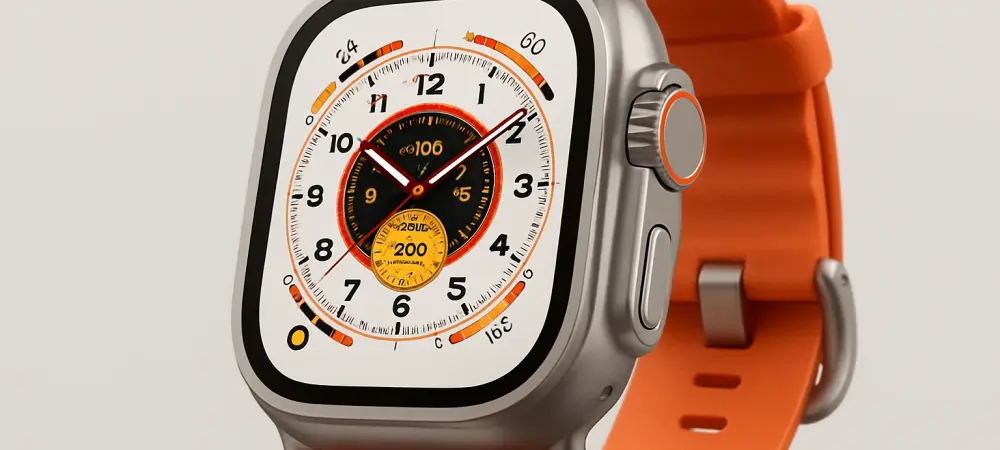
This smartwatch emerges as Apple’s most robust offering yet, crafted for those who push boundaries in outdoor exploration and intense physical activity. Designed to withstand harsh environments, it caters to a niche audience that values resilience alongside advanced functionality. Positioned against competitors in the rugged wearable market, it stands out with a blend of durability, connectivity, and seamless integration into Apple’s ecosystem, promising to redefine expectations for what a smartwatch can achieve.
The significance of this release lies in its ability to address real-world challenges faced by adventurers and fitness buffs. Whether scaling peaks or diving into deep waters, users require a device that not only tracks performance but also ensures safety in unpredictable situations. This review delves into the key aspects of this wearable, exploring how its design and features elevate it above the standard offerings in today’s market.
Breaking Down the Standout Features and Upgrades
Display and Build: A Visual and Structural Leap
The device boasts the largest 49mm display in Apple’s smartwatch lineup, delivering exceptional brightness for visibility in glaring sunlight, alongside thinner borders and a wider viewing angle for an immersive experience. This advancement ensures that critical information, like navigation or health stats, remains clear under any condition. The screen’s design prioritizes usability for those in dynamic, outdoor settings where quick glances are often necessary.
Beyond the display, the construction utilizes 3D-printed recycled titanium, striking a balance between sustainability and strength. This material choice not only reinforces the watch’s rugged appeal but also aligns with growing consumer demand for eco-conscious products. Such a build promises longevity, resisting the wear and tear of extreme activities without compromising on aesthetics or weight.
Power and Connectivity: Built for the Long Haul
Battery life sees a remarkable extension to 42 hours, a critical upgrade for users embarking on multi-day expeditions far from charging points. This enhancement means less worry about power depletion during extended treks or workouts, catering directly to the needs of those in remote locales. It’s a feature that sets a high standard for endurance in the premium wearable segment.
Connectivity options further elevate the device’s utility with support for 5G, enhanced GPS accuracy, and satellite communication capabilities. Notably, the inclusion of Emergency SOS via satellite, free for two years, offers a lifeline in areas devoid of traditional network coverage. These advancements ensure that users remain linked to the world, whether for routine updates or critical distress signals, marking a significant step forward in safety-focused technology.
Software and Health Innovations: Smarter Than Ever
Running on watchOS 26, the smartwatch shares several features with other models in Apple’s current lineup, such as personalized workout data, intuitive gesture controls, and a revamped user interface for smoother navigation. These elements enhance day-to-day interaction, making complex tasks feel effortless even during high-intensity activities. The operating system’s updates reflect a focus on user customization and accessibility.
Health monitoring takes a leap with new additions like hypertension notifications, alerting users to potential blood pressure concerns before they escalate. Additionally, the Sleep Score feature provides detailed insights into rest patterns, helping individuals optimize recovery. Together, these tools position the device as not just a fitness tracker but a comprehensive wellness companion for proactive health management.
Pricing and Availability for Early Adopters
Preorder opportunities for this cutting-edge wearable are widely accessible across major markets including the US, UK, and Australia, with prominent retailers like Apple, Amazon, Best Buy, and Target facilitating early purchases. This broad availability signals strong market anticipation and a strategic push to meet demand ahead of the official release on September 19. Consumers are encouraged to act swiftly to secure their units given the expected high interest.
Pricing starts at $799 in the US, £799 in the UK, and AU$1,399 in Australia, reflecting its premium positioning within the wearable category. To offset the cost, Apple offers trade-in discounts of up to $355 in the US, with similar savings in other regions, alongside carrier deals in select markets. These financial incentives aim to make the device more attainable for a wider range of dedicated users despite its high-end price tag.
The preorder phase also highlights retailer-specific promotions, such as additional discounts for loyalty program members at certain stores. This competitive pricing strategy among vendors underscores the urgency and excitement surrounding the launch. Potential buyers should explore these options to maximize value while securing early access to this innovative technology.
Real-World Utility and Ideal Users
Tailored for fitness enthusiasts and adventure seekers, the smartwatch excels in scenarios requiring prolonged battery life and robust safety features like satellite SOS. Its ability to function as a reliable companion during long hikes, marathons, or backcountry expeditions makes it indispensable for those who prioritize performance in challenging environments. The focus on endurance and emergency readiness sets it apart as a tool for serious outdoor pursuits.
In emergency situations, particularly in isolated areas, the satellite communication feature becomes a potential lifesaver, enabling contact with rescue services when traditional networks fail. This capability addresses a critical gap for adventurers who often operate beyond the reach of standard connectivity. Such functionality ensures peace of mind, reinforcing the device’s value in high-stakes contexts.
Integration within Apple’s broader ecosystem further enhances its appeal, offering seamless compatibility with devices like the latest iPhone models and AirPods. This interconnectedness allows for a cohesive user experience, from syncing workout data to managing notifications across platforms. For loyal Apple users, this synergy adds a layer of convenience that amplifies the wearable’s overall utility.
Navigating Potential Drawbacks
Despite its impressive offerings, the premium price point may pose a barrier for casual consumers who don’t require such specialized features. Even with trade-in discounts, the cost remains substantial compared to more general-purpose smartwatches in the market. This factor could limit its adoption to a narrower, more dedicated audience with specific needs.
Another consideration is the absence of extensive hands-on testing data at this stage, as full performance evaluations are still pending. Detailed comparisons with predecessors and rival rugged wearables will be crucial for a definitive assessment. Until such reviews emerge, prospective buyers must weigh the announced specs against their expectations and requirements.
Market adoption may also face challenges due to competition from other established players in the rugged smartwatch space, as well as the niche focus on extreme users. While the device’s innovations are compelling, they cater to a specific demographic, potentially alienating those seeking a more versatile or budget-friendly option. These hurdles highlight the importance of targeted marketing to reach the intended user base effectively.
Looking Ahead at Wearable Evolution
Future iterations of this smartwatch could potentially push boundaries further with even longer battery life or expanded satellite features for broader global coverage. Such enhancements would solidify its role as a leader in emergency response and off-grid connectivity. Apple’s roadmap appears geared toward refining these aspects to meet evolving user demands over the next few years.
The company’s strategy seems focused on maintaining dominance in the premium wearable market through consistent, user-centric upgrades tailored to niche segments. By addressing specific pain points like power and safety, Apple aims to carve out a distinct space amid growing competition. This approach suggests a commitment to incremental innovation with a long-term vision.
The broader impact on wearable technology could be profound, particularly in advancing fitness tracking, health monitoring, and emergency response applications. As these features become more sophisticated, they may inspire industry-wide shifts toward integrating life-saving tech into everyday devices. This trajectory hints at a future where wearables play an even more integral role in personal safety and well-being.
Reflecting on a Bold Step Forward
Looking back, the unveiling of this smartwatch marked a defining moment in Apple’s wearable lineup, showcasing a device that excelled with its massive display, extended battery life, and groundbreaking connectivity options. It carved a niche as a top-tier choice for adventurers and fitness devotees who demanded more from their tech. The fusion of durability with advanced health and safety features stood as a testament to thoughtful engineering.
For those considering this wearable, the next steps involve exploring preorder options and trade-in deals to secure the device at a feasible cost. Beyond purchase, potential users are advised to await in-depth reviews for real-world performance insights, ensuring alignment with their specific needs. Keeping an eye on Apple’s ecosystem updates also promises to maximize the device’s value through enhanced integrations.
Ultimately, the launch opened doors to rethinking how wearables could serve in extreme scenarios, pushing toward a future where technology and safety intertwine more closely. Industry observers and consumers alike were left anticipating how subsequent models might build on this foundation. This release challenged competitors to elevate their game, hinting at an exciting era ahead for rugged smartwatch innovation.