

Introduction
The relentless pursuit of mobile perfection has pushed modern smartphone manufacturers to balance extreme processing power with the physical limitations of pocket-sized hardware. As the industry moves through 2026, the rivalry between the Samsung Galaxy S26 Ultra and the Vivo X300 Ultra has become a focal point for enthusiasts seeking the ultimate flagship experience. While raw specifications often dominate marketing brochures, the actual user experience is frequently determined by the subtle nuances of thermal efficiency and acoustic fidelity.
This article explores the specific engineering choices that differentiate these two powerhouses, focusing on how they manage heat and sound. Readers will gain insight into the technical trade-offs made by each brand, particularly regarding internal speaker architecture and the effectiveness of cooling systems during sustained use. By examining recent benchmarks and hardware analyses, the objective is to clarify which device truly serves the needs of power users and media enthusiasts.
Key Questions or Key Topics Section
Why Does the Samsung Galaxy S26 Ultra Outperform the Vivo X300 Ultra in Audio Quality?
The disparity in audio performance between these two flagships stems from the fundamental approach to internal speaker design and signal processing. Samsung has refined its acoustic chambers to provide a balanced soundstage that caters to a wide variety of media, from cinematic trailers to complex musical arrangements. Testing reveals that the Galaxy S26 Ultra maintains a consistent frequency response, delivering rich bass and crisp highs that remain clear even at maximum volume levels.
In contrast, the Vivo X300 Ultra struggles with significant fluctuations across the frequency spectrum. Engineering priorities for the Vivo device seem heavily skewed toward its massive camera array, potentially leaving less physical space for optimized speaker resonance. As a result, the device lacks the low-end punch found in the Samsung model and fails to replicate the delicate high-frequency details known as the super-tweeter range. This makes the Samsung flagship the more reliable choice for users who depend on built-in speakers for high-quality playback.
How Do These Devices Compare Regarding Thermal Management and Surface Temperatures?
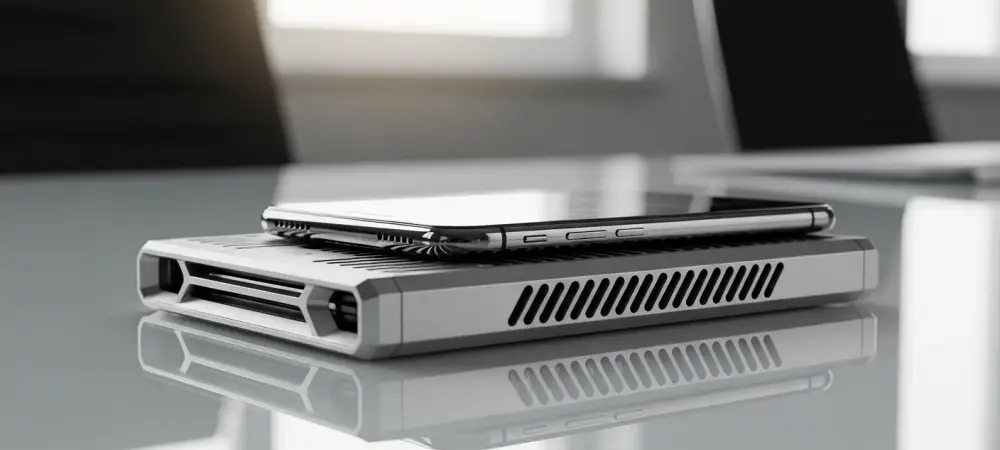
Heat dissipation represents one of the most significant challenges for modern high-end smartphones, especially when navigating the demands of intensive applications. The Samsung Galaxy S26 Ultra utilizes an advanced vapor chamber system that effectively moves heat away from the processor toward the frame, keeping the external surface comfortable. Even during heavy workloads, the device rarely exceeds 41 degrees Celsius, ensuring that the user does not experience physical discomfort while holding the phone.
The Vivo X300 Ultra takes a different path, prioritizing raw performance stability over external temperature control. While it resists thermal throttling remarkably well, it does so at the cost of significant surface heat, with temperatures peaking near 55 degrees Celsius. This level of heat is noticeable during daily tasks and can become quite intense during gaming sessions. Although the Vivo maintains its speed longer under stress, the Samsung provides a far more refined and ergonomic experience for the average user.
Summary or Recap
The technical evaluation of these two flagships reveals a clear division in engineering philosophy. Samsung focuses on a holistic user experience, ensuring that the Galaxy S26 Ultra excels in tactile comfort and acoustic precision. The device stands as a benchmark for thermal ergonomics, providing a cool-to-the-touch feel that does not sacrifice significant performance. Meanwhile, the Vivo X300 Ultra targets the professional photography market with its uncompromising camera hardware, though this focus results in measurable compromises in audio consistency and heat management.
Conclusion or Final Thoughts
The competition between these manufacturers highlighted the importance of choosing a device based on specific lifestyle needs rather than just peak performance metrics. Users who valued a balanced multimedia experience and comfortable long-term handling found the Samsung Galaxy S26 Ultra to be the superior daily companion. Looking forward, the industry likely moved toward integrating more efficient cooling materials to bridge the gap between high-performance output and user comfort. Prospective buyers should have weighed the Vivo’s imaging prowess against the Samsung’s refined hardware stability before making their final investment.