

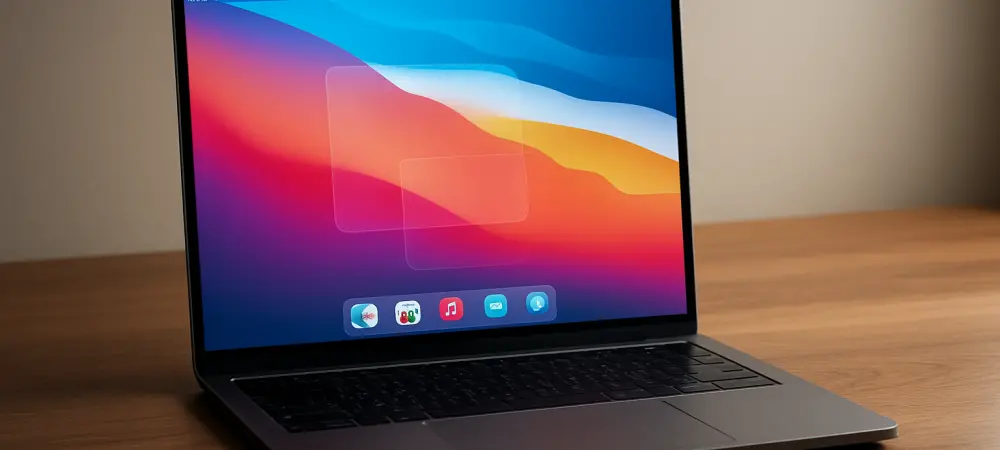
The Snapintosh project serves as a technical blueprint for running high-end Apple software on a diverse range of Qualcomm-powered devices and portable devices. This initiative marks a definitive moment in the computing landscape as enthusiasts successfully navigate the transition from Intel-based systems to the highly efficient ARM architecture. The convergence of hardware standards in 2026 has allowed for a renewed exploration of cross-platform compatibility, centering on the high-performance Snapdragon X2 Elite Extreme processor. Unlike previous attempts that relied on complex emulation, the current methodology focuses on native execution, leveraging the inherent similarities between Qualcomm’s designs and Apple’s internal silicon. The ASUS Zenbook A16 has emerged as the primary platform for this endeavor, demonstrating that the barriers between operating systems are often more artificial than technical. This progress suggests a significant change in how modern portable workstations are utilized by users, offering a glimpse into a world where software is no longer restricted by hardware branding.
The Architectural Shift: Bridging the Gap Between Platforms
The technical transition from traditional x86 architecture to modern ARM systems has fundamentally altered the landscape of third-party software porting. In the previous era, the “Hackintosh” community benefited from shared processor architectures, but the introduction of Apple’s custom chips initially created a massive technological divide. The emergence of the Snapdragon X2 Elite Extreme has effectively bridged this gap by providing a comparable instruction set that aligns with the requirements of macOS 27, codenamed “Golden Gate.” This architectural parity enables the Snapintosh project to operate with a level of efficiency that was previously impossible on non-Apple hardware. By focusing on the underlying silicon commonalities, developers have moved past the need for heavy translation layers, allowing the operating system to interface more directly with the core resources. This ensures that the performance gains in modern ARM processors are fully realized even on Windows laptops.
Achieving stability on a foreign operating system requires more than just raw processing power; it demands a deep understanding of system-level interactions. Recent milestones in the development of macOS 27 for Snapdragon laptops have shown that the boot sequence, which was once a primary point of failure, is now remarkably consistent. Early iterations in late 2025 struggled with kernel panics, yet the latest builds reach the desktop environment with minimal intervention. This stability is largely due to the refined implementation of the “Liquid Glass” visual layer, which defines the aesthetic experience of the Golden Gate OS. By successfully navigating the complexities of the Apple kernel, independent developers have proven that the specialized firmware of the ASUS Zenbook A16 can host advanced software environments without compromising hardware integrity. This progress reflects a broader trend of community-driven innovation that challenges proprietary lockdowns in high-end electronics.
Technical Milestones: Unlocking GPU Performance and Stability
One of the most complex challenges in this project was the implementation of hardware acceleration for the integrated GPU within the Snapdragon chipset. Without direct access to the graphics processing unit, any ported operating system would suffer from severe lag, making the “Liquid Glass” interface essentially unusable. The breakthrough came when custom drivers were developed to map the graphical instructions of macOS 27 to the Adreno architecture of the Snapdragon X2 Elite Extreme. This achievement allowed the system to render complex animations and handle high-definition video playback with the fluidity expected on native Apple devices. Such a milestone is significant because it overcomes the primary bottleneck in mobile computing virtualization, proving that the hardware inside modern Windows laptops is more than capable of supporting intensive graphical tasks. This has transformed the project into a viable alternative for users who require specific functionality on versatile PC hardware.
The evolution of the Snapintosh framework demonstrated that the boundaries between competing hardware ecosystems were increasingly permeable through technical ingenuity. By focusing on the synthesis of ARM architectures, the project established a new standard for software flexibility that prioritized user autonomy over vendor restrictions. Technical teams and early adopters observed that the successful integration of hardware acceleration provided the necessary performance for professional creative applications. Strategic recommendations for users involved maintaining updated firmware repositories and contributing to the open-source driver ecosystem to ensure continued compatibility with future updates. It was recognized that the most effective way to utilize these hybrid systems was to balance the power of Qualcomm silicon with the specialized toolsets found in the Apple environment. This historical shift proved that the value of a device was determined by its versatility rather than its pre-installed software.