

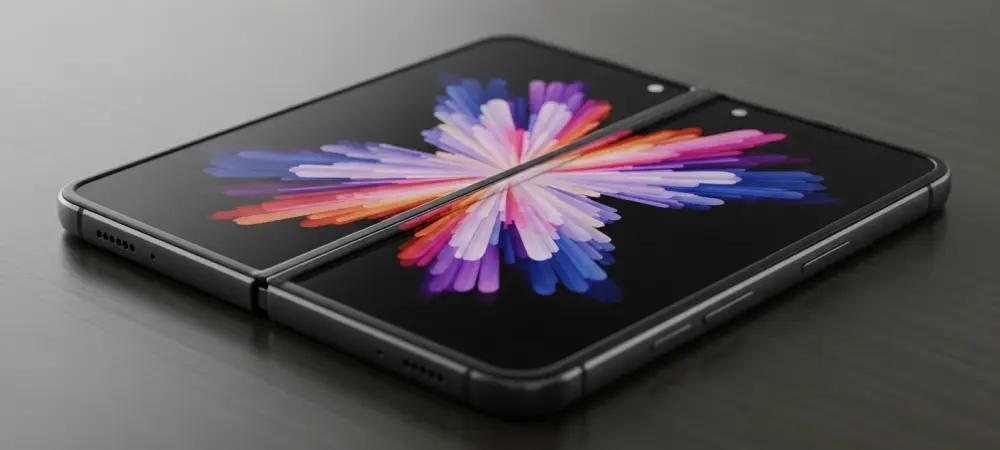
The landscape of foldable technology is currently undergoing a radical transformation as manufacturers shift from universal designs toward highly specialized hardware configurations. Recent industry reports concerning the upcoming Samsung Galaxy Z Fold8 Wide indicate that the mobile giant is preparing to deviate from its established flagship formula to prioritize a more compact, portable footprint. While the standard foldable series has historically aimed to be an all-encompassing powerhouse, this new “Wide” variant appears to cater to a specific demographic that values pocketability and ergonomics over a versatile camera array. This strategic pivot highlights a growing trend where device thickness and weight are prioritized, even if it necessitates the removal of components that have been staples of the premium experience since 2026. The shift suggests that the era of the “one-size-fits-all” foldable may be ending, giving way to a more fragmented market where users must choose between optical range and physical convenience.
Strategic Reductions in Imaging Hardware
To achieve a slimmer profile and a more localized internal layout, the hardware specifications for the Galaxy Z Fold8 Wide reveal a surprising departure from the high-resolution standards of previous years. The most notable omission is the complete removal of the 10-megapixel telephoto camera, a move that leaves the device without dedicated 3x optical zoom capabilities for the first time in several product generations. Furthermore, the primary sensor has undergone a significant reduction in scale, moving from the 200-megapixel f/1.7 module found on the predecessor to a more modest 50-megapixel f/1.8 sensor. This change likely stems from the physical depth constraints of a thinner chassis, as high-resolution sensors often require larger lens assemblies to maintain clarity. Consequently, users who rely on digital cropping or long-range photography may find that the software-based zoom solutions cannot fully compensate for the lack of specialized glass, marking a clear trade-off for the sleeker form factor.
Prioritizing Wide-Angle Optics and Form
Despite these reductions in zoom capabilities, the device is not without its technical merits, as the engineering focus has clearly shifted toward a superior ultra-wide experience. Leaked data suggests the inclusion of a high-performance 50-megapixel ultra-wide sensor with an f/1.9 aperture, which represents a massive leap in quality compared to the 12-megapixel units utilized in earlier foldable models. This upgrade ensures that landscape photography and architectural shots remain a core strength, perhaps reflecting a belief that the target audience for a “Wide” model prefers expansive field-of-view captures over telephoto reach. Additionally, the aesthetic direction of the device remains a priority, with a new green color option expected to debut alongside the redesigned frame. By doubling down on ultra-wide performance while trimming the telephoto weight, the manufacturer is effectively positioning the device as a lifestyle-centric alternative rather than a professional-grade photography tool, balancing the internal volume against consumer demand for better low-light wide shots.
Future Considerations for Foldable Users
Prospective buyers should approach this new hardware configuration with a clear understanding of their specific workflow requirements rather than assuming a linear upgrade path. Those who frequently document distant subjects or utilize high-magnification portraits will likely find the standard Galaxy Z Fold8 or the Ultra variants more suitable, as the Wide model is clearly optimized for a different set of priorities. For users prioritizing the Wide variant, the primary focus should be on leveraging the enhanced ultra-wide sensor for high-detail environmental captures, while accepting that digital zoom will play a more dominant, albeit lower-quality, role in their photography. Moving forward, the industry is expected to continue this trend of differentiation, where physical dimensions dictate the ceiling of camera performance. It is recommended that consumers evaluate their historical photo data to determine if they truly utilize telephoto lenses before committing to this slimmer, more specialized device. The transition in hardware reflects a mature market where variety in form factor is becoming as important as raw specifications.