

Imagine being stranded on a remote hiking trail with a shattered phone screen after a single drop, or working on a construction site where dust and debris render a delicate device useless within days. This stark reality highlights the critical choice between durability and convenience in mobile technology. Smartphones have become indispensable tools, but not all are built to withstand the rigors of extreme environments or cater to specialized needs. This comparison dives into the contrasting worlds of rugged smartphones, engineered for resilience, and standard smartphones, designed for everyday versatility, to uncover which device best suits varying lifestyles and demands.
Understanding Rugged and Standard Smartphones: Background and Purpose
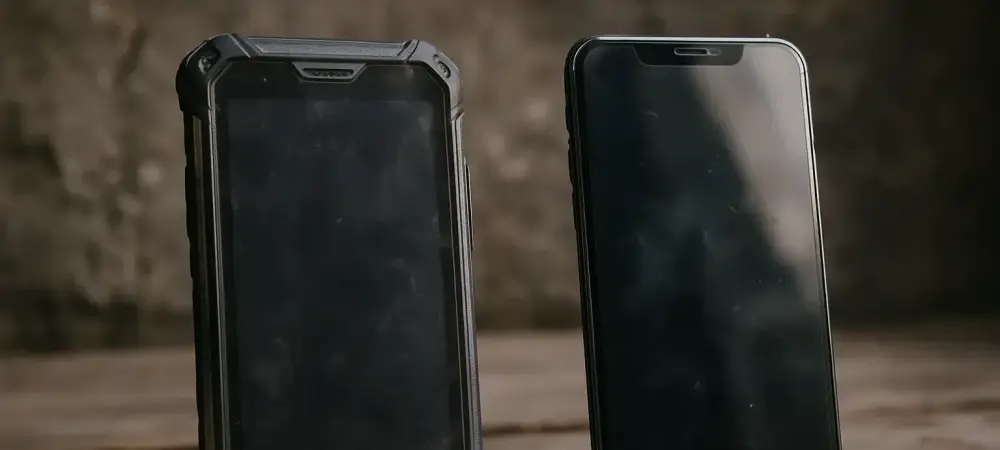
Rugged smartphones are purpose-built for durability, crafted to endure harsh conditions like extreme weather, drops, and dust exposure. These devices often boast reinforced casings and high resistance ratings, making them ideal for challenging settings. In contrast, standard smartphones prioritize sleek aesthetics and multifunctionality, catering to general consumers with lightweight designs and a focus on seamless user experiences for communication and entertainment. The distinction lies in their core design philosophies, with one emphasizing survival and the other prioritizing accessibility. The relevance of rugged smartphones becomes apparent in industries such as construction, outdoor adventure, and emergency services, where equipment must withstand physical stress and environmental hazards. Workers and adventurers rely on these robust tools for reliable communication and utility in unforgiving terrains. On the other hand, standard smartphones appeal to a broader audience, serving as essential gadgets for daily tasks like browsing, streaming, and social interaction, with features optimized for casual use over ruggedness.
This comparison sets the stage for a deeper exploration by recognizing how these two categories address distinct user needs. Rugged devices cater to niche, high-demand scenarios where failure is not an option, while standard models fulfill the universal craving for connectivity and convenience. By examining functionality and target audiences, a clearer picture emerges of how each type aligns with specific priorities and environments.
Key Differences in Features and Performance
Durability and Build Quality
Rugged smartphones stand out with their exceptional build quality, often featuring certifications like IP68 or IP69K for water and dust resistance, alongside MIL-STD-810H standards for shock and temperature endurance. Their tough exteriors are designed to survive drops, submersion, and abrasive conditions that would destroy most gadgets. For instance, devices like the Ulefone Armor 34 Pro resemble heavy-duty equipment with thick, protective shells that ensure longevity in brutal settings.
Standard smartphones, however, typically favor minimalist designs with glass and metal frames that, while visually appealing, offer little protection against physical damage. A single fall can result in cracked screens or internal failures, as these devices lack the reinforced structures found in their rugged counterparts. This fragility limits their usability in demanding environments, where durability often takes precedence over style.
The impact of build quality extends to practical use and lifespan. Rugged models, though cumbersome, provide peace of mind in high-risk situations, ensuring functionality after accidents or exposure to elements. Standard devices, while easier to handle due to their lighter weight, often require protective cases or frequent repairs, adding to long-term costs and inconvenience in comparison to the sturdier alternatives.
Battery Life and Power Efficiency
Battery capacity marks a significant divergence between these two categories, with rugged smartphones frequently equipped with massive power reserves. Take the Ulefone Armor 34 Pro, which houses a staggering 25,500mAh battery, enabling days of use without recharging—perfect for remote locations where power sources are scarce. Test data reveals such devices can sustain nearly 60 hours of video playback, showcasing their endurance for extended missions.
Standard smartphones, by contrast, generally feature batteries ranging from 3,000 to 5,000mAh, sufficient for a day of moderate use but often necessitating nightly charging. These smaller capacities reflect a focus on portability over longevity, catering to users with consistent access to electricity. The difference becomes evident in scenarios requiring prolonged operation without outlets, where standard models fall short.
This disparity influences user experience significantly. Rugged devices support professionals or explorers in off-grid situations, doubling as power banks for other gear, while standard smartphones suit urban lifestyles with frequent charging opportunities. The trade-off lies in bulk versus convenience, as larger batteries contribute to the heft of rugged phones, whereas slimmer standard models prioritize ease of carry at the expense of runtime.
Specialized Features vs. Everyday Functionality
Rugged smartphones often integrate niche tools tailored for specific environments, enhancing their utility beyond basic communication. Features like built-in projectors and high-lumen camping lights, as seen in models such as the Ulefone Armor 34 Pro, transform these devices into multi-purpose gear for outdoor or professional use. Such additions prove invaluable during camping trips or fieldwork, offering solutions standard phones rarely provide.
Standard smartphones, conversely, excel in multimedia capabilities and software optimization, boasting high-quality cameras, vibrant displays, and extensive app ecosystems. These attributes cater to casual users seeking entertainment, photography, or social connectivity, areas where rugged devices typically lag due to their focus on durability over refinement. The emphasis here lies on a polished, user-friendly experience for everyday needs.
Balancing benefits and trade-offs reveals distinct advantages for each type. Rugged smartphones deliver unmatched practicality in extreme conditions, though their specialized features may feel unnecessary for average consumers. Standard models shine in versatility and performance for general tasks, yet they lack the resilience and unique functionalities needed in harsher contexts, highlighting a clear divide in intended purpose.
Challenges and Limitations of Each Type
Rugged smartphones, despite their strengths, come with notable drawbacks that can affect usability. Their bulky size and substantial weight—often exceeding 800 grams, as with the Ulefone Armor 34 Pro—make them unwieldy for daily carry or one-handed operation. Additionally, camera performance and processing speeds frequently fall behind industry standards, limiting their appeal for users expecting cutting-edge technology.
Standard smartphones face their own set of challenges, primarily their susceptibility to damage in tough conditions. A minor drop or exposure to water can render them inoperable, posing reliability issues for individuals in unpredictable settings. Moreover, their shorter battery life often fails to meet the demands of extended use, creating dependency on frequent charging that may not always be feasible.
Further scrutiny uncovers additional usability concerns. Rugged devices might feature design quirks, such as difficult-to-access ports or caps, which can frustrate users in urgent situations. Standard models, meanwhile, sometimes raise ethical questions around planned obsolescence, as manufacturers push frequent upgrades, leading to environmental waste and higher costs over time. Both types present hurdles that potential buyers must weigh carefully.
Final Verdict: Choosing the Right Smartphone for Your Needs
Rugged smartphones clearly dominate in durability and specialized utility, making them indispensable for extreme conditions where resilience is paramount. Their robust construction and unique features cater to niche but critical demands. Standard smartphones, however, lead in portability, aesthetic appeal, and overall performance for general use, aligning with the needs of most consumers who prioritize convenience and multimedia. Recommendations hinge on specific requirements and lifestyles. Professionals in high-risk fields or adventurers tackling remote terrains should opt for rugged devices, which offer unmatched endurance and tools like projectors or powerful lights. For everyday users focused on seamless communication, entertainment, and ease of use, standard smartphones remain the superior choice due to their refined designs and capabilities.
Looking back, the exploration of these two categories illuminated stark contrasts in purpose and functionality. Moving forward, potential buyers should assess their environment, daily routines, and budget constraints to make an informed decision. Consider testing devices hands-on or consulting user reviews to pinpoint specific models that align with personal or professional demands. The path ahead involves prioritizing what matters most—whether it’s surviving the elements or staying connected effortlessly—and investing in a device that transforms challenges into solutions.