

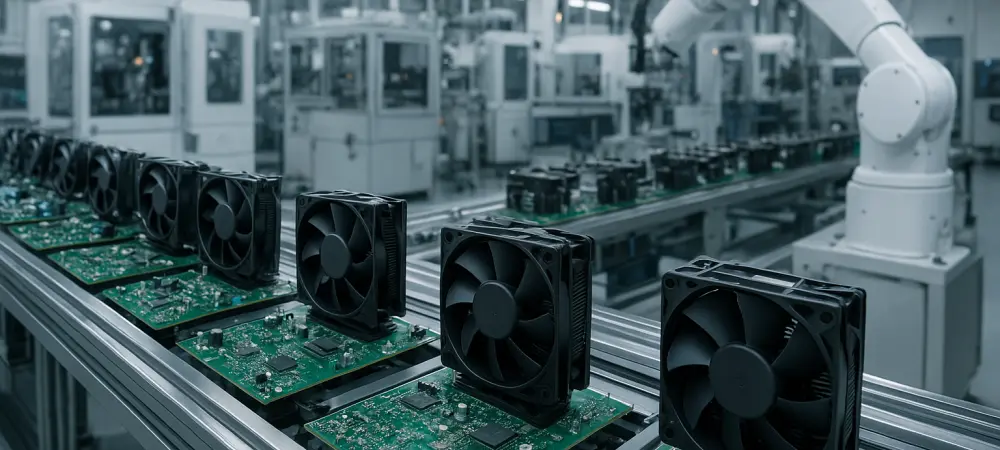
The transformation of a flagship graphics card from a luxury gaming peripheral into a high-stakes instrument of national security represents a fundamental shift in how the world perceives computing power. As of now, the GeForce RTX 5090 is not merely a component for enthusiasts; it is a dual-use asset subject to rigorous regulatory oversight. This shift emerged as hardware capacity for neural rendering surpassed the specific thresholds established by international trade compliance frameworks.
Introduction to the RTX 5090 and Regulatory Oversight
This development reflects the hardware’s relevance in a broader technological landscape where gaming power is indistinguishable from artificial intelligence potential. The technology integrates specialized processing units designed to handle massive computational loads, making it a pivotal tool for both high-fidelity simulation and the rapid expansion of machine learning. Consequently, its classification has evolved from a commercial good to a strategic resource.
Technical Prowess and Market Valuation
High-Performance Computing and AI Capabilities
The Blackwell architecture maximizes throughput via multi-chip designs, prioritizing precision tasks essential for accelerating AI training. NVIDIA’s implementation is unique because it bridges the gap between consumer accessibility and enterprise capability, offering a versatile tool for developers who require massive local compute power without the overhead of enterprise server contracts. This efficiency makes it the primary choice over competing architectures that lack integrated software optimization.
Market Value Inflation and Scarcity
The economic trajectory of the RTX 5090 saw a departure from its $1,999 MSRP, with market values often exceeding $5,000 in various regions. This surge is driven by startups viewing these cards as viable alternatives to restricted data center units. This has turned the hardware into a high-value commodity, forcing retailers to adopt unconventional protocols to ensure that domestic supply remains available for legitimate users.
Shifting Retail Paradigms and Export Compliance
Modern retail environments now require a documented legal agreement for acquisitions to prevent unauthorized exports. Major outlets like Micro Center implemented declaration forms and identification checks to ensure strategic assets do not enter restricted markets. This scrutiny reflects a broader movement where the private sector acts as a defensive layer for national security interests, moving away from traditional “off-the-shelf” sales models toward a monitored distribution system.
Real-World Applications and Global Demand
The hardware is indispensable in deep learning labs where large VRAM is required for complex simulations and high-fidelity professional rendering. However, global demand fueled an illicit harvesting industry where chips are stripped from boards for integration into custom server clusters in restricted zones. This practice highlights the intense desperation for silicon and the inherent limitations of traditional border controls in the current digital landscape.
Challenges to Enforcement: Global Resale Obstacles
Preventing hardware transplanting remains a hurdle for manufacturers attempting to curb the international black market. Despite software-level restrictions, the physical nature of silicon allows for mechanical adaptation by sophisticated entities operating in shadow markets. This reality underscores the difficulty of enforcing geographic boundaries on a product that is mobile and universally sought for its raw processing potential.
The Future of High-End Hardware Distribution
The path forward likely involves hardware-level locks to verify GPU locations before performance is fully unlocked. Such developments could redefine computing sovereignty as nations protect technological advantages through more than just legislation. This evolution will determine if high-end hardware remains a global commodity or becomes a strictly localized resource managed through encrypted hardware-software handshakes.
Summary of Findings and Strategic Assessment
The review demonstrated that the intersection of gaming and AI created an environment where consumer hardware was treated like sensitive equipment. Organizations shifted focus toward tracking systems and end-user agreements to stabilize the market. The shift solidified the realization that high-performance computing was a critical infrastructure component requiring permanent oversight and innovative models to secure the global supply chain.