

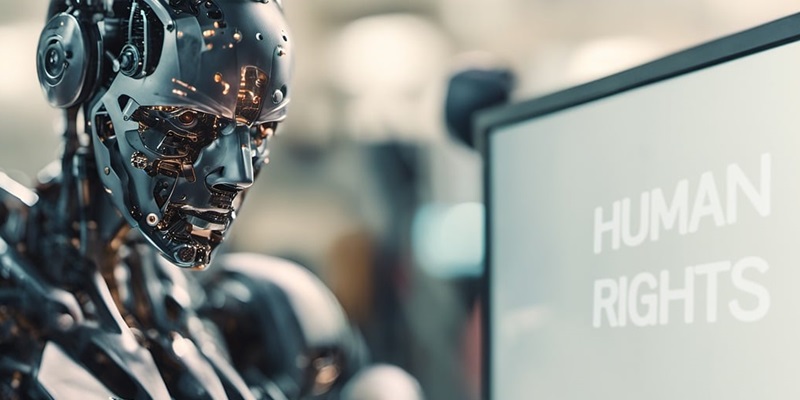
The U.S. Equal Employment Opportunity Commission (EEOC) is intensifying its efforts to detect and address discrimination in screening, recruiting, and hiring processes that involve the use of artificial intelligence (AI). With the rise of automation and AI technologies in human resources (HR), concerns have emerged regarding potential bias and discrimination in these systems. The EEOC is determined to ensure that individuals are not unfairly excluded or treated based on factors such as race, gender, age, or other protected characteristics.
Increase in Employment Discrimination Lawsuits
Over the past year, the EEOC has witnessed a startling 50% increase in the number of employment discrimination lawsuits filed. These suits predominantly focus on discrimination, bias, and harassment, rather than specifically targeting the misuse of automation and AI systems. Nevertheless, this rise in cases signals the need for increased scrutiny and regulation of AI-powered HR practices.
Collaboration with HR Software Vendors and Employers
Recognizing the need to proactively address AI-based discrimination, the EEOC has begun collaborating with HR software vendors and employers. Their aim is to educate these stakeholders about the potential for bias in AI systems and how to identify and rectify discriminatory practices. By engaging with industry experts, the EEOC hopes to foster a greater understanding of the issues at hand and promote ethical and fair utilization of AI.
Detecting AI-based Discrimination
The EEOC’s efforts to uncover AI-based discrimination involve various strategies. One such strategy is analyzing the timing of job rejections. For instance, if candidates consistently receive rejection notifications at unusual hours or mere minutes after applying, it may indicate AI involvement. Such automated decision-making without meaningful human review raises concerns about potential bias. Moreover, the EEOC is closely examining algorithm-based employment screenings for signs of bias. Gamified assessments, which utilize AI algorithms, are particularly under scrutiny. The agency aims to identify any unconscious biases or discriminatory assumptions that may perpetuate systemic inequalities in hiring decisions.
Challenges in HR’s Use of AI
One of the significant hurdles in employing AI in HR processes lies in the complexity and opacity of these systems. Understanding how AI algorithms operate requires specialized expertise, often surpassing the knowledge of civil rights experts. This expertise gap hinders the effective bridging of the legal and technological realms, making it challenging to address discriminatory practices.
Furthermore, the lack of diversity in AI development exacerbates the potential for unintended discrimination. If AI systems are primarily designed and trained by homogeneous teams, they may inadvertently perpetuate biases against certain groups. The EEOC recognizes this issue and aims to promote diversity in AI development to ensure fairness and equitable treatment.
iTutorGroup Lawsuit
In a groundbreaking move, the EEOC filed its first lawsuit related to automated systems in 2022 against iTutorGroup Inc., an English language tutoring service. The company was accused of using software that automatically rejected applicants based on their age. This case highlights the potential harm caused by unregulated AI utilization and serves as a precedent for holding organizations accountable for discriminatory practices in AI-based hiring processes.
As AI becomes increasingly integrated into HR practices, it is crucial to address the potential for bias and discrimination in these systems. The EEOC is at the forefront of efforts to uncover and rectify AI-based discrimination. By collaborating with HR software vendors and employers, educating stakeholders, and investigating AI systems for signs of bias, the EEOC is working to promote fairness and equal opportunities in the workplace. It is imperative that the legal, technical, and HR communities come together to bridge the gap between AI technology and civil rights, ensuring that AI serves as a tool for inclusivity rather than a driver of discrimination. Through these collective efforts, we can build a future where AI is harnessed responsibly and devoid of undue bias.