

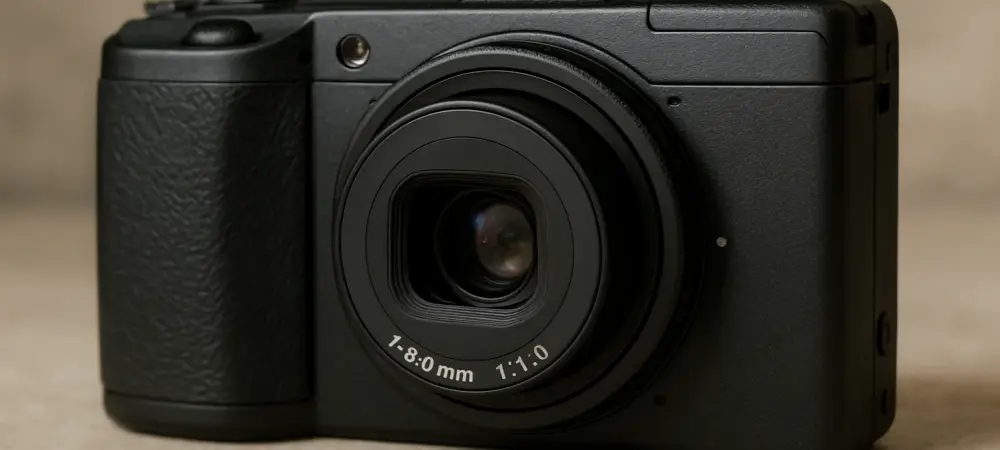
In an era where smartphone cameras dominate casual photography, compact cameras are fighting to reclaim their relevance by offering specialized features that stand out. Ricoh, a stalwart in this niche, has unveiled two striking variants of its GR IV series—the Monochrome and the HDF (Highlight Diffusion Filter)—designed to captivate photographers who crave unique creative tools. These models promise to deliver exceptional image quality in a pocketable form factor, addressing the needs of street photographers and artistic creators who seek something beyond the capabilities of a phone. This review explores the innovations behind these variants, their performance potential, and whether they can carve a space in a highly competitive market.
Unveiling the Ricoh GR IV Series Innovations
The Ricoh GR IV series builds on the legacy of its predecessor, the GR III, by enhancing performance while maintaining the compact design that has made it a favorite among photographers prioritizing portability. Both new variants, the Monochrome and HDF, target distinct audiences with tailored features that push the boundaries of what a compact camera can achieve. While smartphones and mirrorless systems continue to dominate, Ricoh’s focus on niche specialization offers a refreshing counterpoint for those seeking dedicated tools for specific photographic styles.
These cameras come at a time when the compact camera market is witnessing a subtle resurgence, driven by enthusiasts and professionals who value high-quality imaging without the bulk of larger systems. The GR IV variants aim to meet this demand by blending cutting-edge technology with creative flexibility. This review delves into how these models address evolving consumer needs and whether their innovations justify their place in a photographer’s toolkit.
Technical Breakdown and Performance Analysis
GR IV Monochrome: Mastering Black-and-White Imagery
The GR IV Monochrome stands out with its groundbreaking design, removing the Color Filter Array (CFA) to optimize light-gathering capabilities. This results in reduced noise by up to a full stop and delivers exceptional detail in black-and-white images, appealing directly to monochrome purists who value clarity and depth. Such a design choice sacrifices color capture, but for photographers dedicated to this style, the trade-off could be well worth it.
Beyond this defining feature, the Monochrome variant inherits the GR IV series’ core upgrades, including a 25.74-megapixel APS-C sensor and an expanded ISO range reaching up to 204,800. These enhancements ensure that even in low-light conditions, the camera can produce sharp, detailed images, making it a compelling choice for street and documentary photography where mood and texture are paramount. While specific black-and-white image control options remain undisclosed, anticipation builds for potential customization features that could further elevate its appeal.
GR IV HDF: Crafting Dreamy Visuals
In contrast, the GR IV HDF introduces a Highlight Diffusion Filter in place of the standard ND filter, creating a soft, atmospheric effect straight out of the camera. This feature caters to photographers chasing a stylized, dreamy aesthetic, particularly in portrait and landscape genres, reducing reliance on post-processing for such results. The in-camera effect offers immediacy, allowing creatives to focus on composition rather than editing.
Like its Monochrome sibling, the HDF benefits from the GR IV series’ advancements, such as improved 5-axis in-body image stabilization offering up to 6EV of compensation and an impressive internal storage capacity of 53GB. These upgrades make the camera not only a creative tool but also a practical one, ensuring stability in handheld shooting and ample space for high-resolution files. The HDF variant positions itself as a unique option for those who want to experiment with visual storytelling without additional gear or software.
Market Context and Strategic Fit
Ricoh’s decision to launch specialized variants like the GR IV Monochrome and HDF reflects a broader trend in the photography industry toward niche offerings. As smartphones erode the market for general-purpose compact cameras, manufacturers are pivoting to cater to specific user groups, much like Leica has done with its monochrome models. Ricoh’s strategy aligns with this shift, targeting black-and-white enthusiasts and creatives seeking distinctive in-camera effects.
This approach also responds to a renewed interest in compact cameras as pocketable alternatives to bulkier mirrorless systems. By packing professional-grade features into a small frame, Ricoh addresses the demand for portability without compromise. However, the challenge lies in convincing consumers to invest in dedicated devices over multifunctional alternatives, a hurdle these variants aim to overcome with their unique value propositions.
Practical Applications in Photography
For street photographers and documentary shooters, the GR IV Monochrome offers an ideal tool to capture timeless, evocative scenes. Black-and-white imagery often enhances the emotional impact of such work, and the camera’s enhanced detail and low-noise performance ensure that every frame carries weight. Its compact size further aids discreet shooting, a critical advantage in dynamic urban environments.
Meanwhile, the GR IV HDF finds its strength in artistic fields like portraiture and landscape photography, where the diffusion filter can soften harsh highlights and create a painterly effect. This capability allows photographers to produce distinctive images without needing external filters or extensive editing, streamlining the creative process. Both variants underscore Ricoh’s commitment to supporting diverse photographic practices through tailored technology.
Potential Drawbacks and Market Challenges
Despite their innovations, the GR IV variants are not without limitations. The Monochrome’s inability to capture color restricts its versatility, potentially alienating photographers who require flexibility in their work. This specialization, while a strength for a specific audience, could limit broader market appeal in a segment already facing stiff competition.
Additionally, the HDF variant, while creative, may not resonate with users who prefer traditional sharpness or rely on post-processing for stylized effects. Market reception remains uncertain, especially given mixed feedback on the initial GR IV launch this year. With release timelines set for winter of this year for the HDF and spring of next year for the Monochrome, the lack of precise dates and undisclosed feature specifics could further complicate purchase decisions for potential buyers.
Reflecting on Ricoh’s Latest Offerings
Looking back, the exploration of the Ricoh GR IV Monochrome and HDF variants reveals a thoughtful blend of specialization and technological advancement that sets them apart in the compact camera space. Their targeted designs address specific creative needs, while upgrades in sensor resolution, stabilization, and storage ensure they meet modern performance standards. These models prove to be bold steps in reinforcing the relevance of compact cameras amid a landscape dominated by alternative imaging solutions.
Moving forward, photographers intrigued by these variants should keep an eye on upcoming announcements for detailed feature reveals and confirmed release schedules. Considering test units or early reviews once available could provide deeper insights into real-world performance. For Ricoh, the challenge will be to sustain momentum by possibly introducing complementary accessories or firmware updates that enhance user experience, ensuring these cameras remain competitive tools for niche photography communities in the years ahead.