

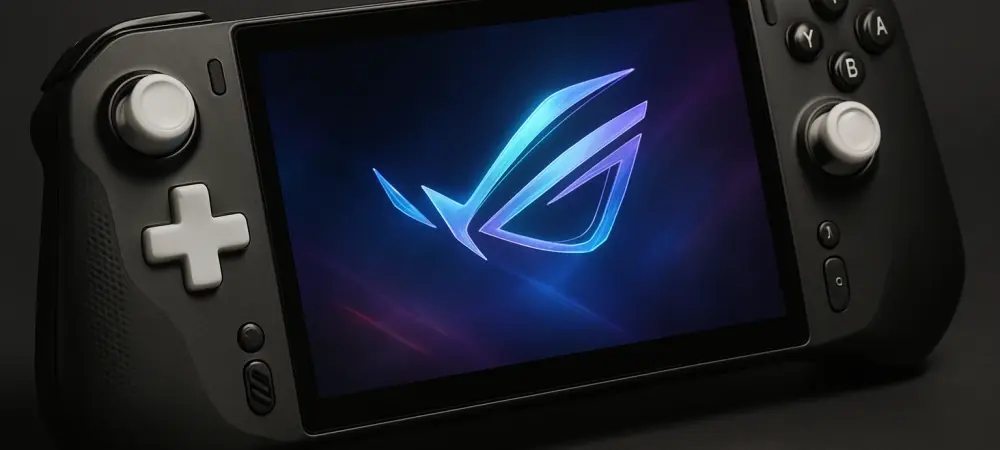
The handheld gaming landscape has transformed into a fierce arena where price tags rival those of high-end consoles, and the latest Xbox-branded ROG Ally devices from Microsoft and Asus are at the forefront of this shift, captivating gamers with their potential. Picture a device no bigger than a paperback book, yet capable of running blockbuster titles like Halo Infinite with stunning graphics, all while costing nearly $1,000. The ROG Xbox Ally X, priced at $999.99, has sparked intense debate among gamers and tech enthusiasts. Is this portable powerhouse a game-changer, or merely an overpriced gadget in a crowded market?
The significance of this story lies in the evolving expectations of gamers who demand console-level performance on the go. With the ROG Xbox Ally base model at $599.99 and the premium Ally X pushing boundaries at almost double the cost, this collaboration between Microsoft and Asus signals a bold push into the luxury handheld segment. This article unpacks the reasons behind such steep pricing, evaluates the features that justify it, and explores whether these devices deliver true value amid rising competition. The stakes are high as the industry watches if gamers will embrace this premium trend or push back against the hefty cost.
Unpacking the Cost of Cutting-Edge Portability
Diving into the price structure of the ROG Xbox Ally handhelds reveals a surprising reality: these devices are priced comparably to high-end consoles, with the Ally X nearing $1,000 in the US market. A significant portion of this cost stems from the advanced hardware packed into a compact frame, including top-tier components that rival desktop setups. The question arises—how does a handheld justify such a premium when traditional consoles offer similar power for less?
Beyond raw specs, the expense reflects the engineering feat of miniaturization. Crafting a device that balances performance, battery life, and thermal management in a portable design demands substantial research and development. Asus, taking the lead on hardware and pricing decisions, has positioned these handhelds as luxury items, banking on gamers’ willingness to pay for innovation in a form factor that fits in a backpack.
This pricing strategy also mirrors global market dynamics, where costs adjust to regional economics. For instance, in India, the Ally X retails at Rs. 1,14,990, a steep jump from prior models. Such figures highlight how manufacturers are testing the limits of consumer budgets, aligning handheld gaming with the exclusivity of premium tech.
The Competitive Surge in Handheld Gaming
Handheld gaming has evolved from a niche pastime into a battleground for tech giants, with Microsoft and Asus raising the bar through the ROG Xbox Ally lineup. Unlike earlier generations of portables focused on affordability, today’s devices target enthusiasts craving high-performance experiences untethered from a TV. This shift has fueled price increases, with the Ally X costing significantly more than its predecessors.
The trend extends beyond this collaboration, as competitors like MSI and Lenovo prepare to launch their own premium handhelds, such as the MSI Claw A8 and Lenovo Legion Go 2, both expected to hover around the $1,000 mark. This industry-wide pivot toward upscale portables suggests a growing acceptance of higher costs in exchange for cutting-edge tech. Market data indicates that demand for such devices is climbing, reflecting a cultural shift among gamers who view handhelds as primary gaming platforms.
What sets this moment apart is the blending of console and PC gaming ecosystems into a single device. By integrating Xbox’s software prowess with Asus’s hardware expertise, the ROG Ally series aims to capture a diverse audience, from casual players to hardcore enthusiasts. This convergence, however, comes at a cost that challenges traditional notions of handheld affordability.
Dissecting the Price Tag: What Gamers Get
Breaking down the cost of the ROG Xbox Ally handhelds reveals a clear rationale for the premium pricing, especially with the Ally X. This flagship model boasts the AMD Ryzen Z2 Extreme chipset, a leap forward in processing power, alongside a larger battery, expanded storage, and boosted memory compared to the base model at $599.99. Each upgrade contributes to a price that Asus justifies as necessary for delivering a console-like experience in the palm of a hand.
Comparing these devices to upcoming rivals offers further context on value. While the MSI Claw A8 and Lenovo Legion Go 2 promise similar specs at comparable costs, the Ally X stands out with its seamless Xbox ecosystem integration, a key selling point for fans of Microsoft’s gaming library. Yet, some industry observers question whether these incremental improvements warrant the near-$1,000 investment, especially when high-end laptops offer more versatility for a similar price.
Asus’s dominant role in pricing, guided by market insights, also shapes the narrative. The company has strategically positioned the Ally X as a luxury product, banking on brand loyalty and the allure of exclusivity. This approach raises a critical point: are gamers paying for tangible advancements, or is a portion of the cost tied to branding and perceived prestige in a competitive space?
Industry Insights and Consumer Reactions
Feedback from key figures sheds light on the intent behind the high price points of these handhelds. Xbox president Sarah Bond has publicly endorsed the pricing, emphasizing the unmatched value offered through advanced features like enhanced graphics and extended playtime. During a recent launch event, Bond noted the global pre-order success, with the ROG Xbox Ally X selling out on Xbox stores worldwide, signaling strong market confidence.
Market data supports this optimism, showing robust consumer interest despite the steep costs. Sales figures suggest that many gamers are willing to invest in premium handhelds, viewing them as viable alternatives to traditional setups. This trend points to a broader acceptance of higher price tags when paired with innovative design and performance, a sentiment echoed by industry analysts who see this as a defining moment for portable gaming.
Still, not all reactions are unequivocally positive. While pre-order numbers paint a rosy picture, there’s an undercurrent of skepticism among some gaming communities about whether the cost aligns with the benefits. This mixed reception highlights a divide—enthusiasts embrace the tech, but budget-conscious players remain hesitant, creating a nuanced landscape of opinions that manufacturers must navigate.
Weighing the Investment for Gamers
Deciding whether to purchase a ROG Xbox Ally handheld requires a careful evaluation of individual gaming priorities. For those who value portability without sacrificing power, the Ally X offers a compelling package with its top-tier specs and Xbox integration. Gamers who frequently travel or prefer gaming outside a fixed setup might find the price justifiable for the freedom it provides.
On the flip side, the cost-value equation doesn’t balance for everyone. Comparing these devices to traditional consoles or even mid-range gaming laptops reveals potential trade-offs, especially for players who don’t need portability as a primary feature. Assessing long-term value also means considering how often the device will be used and whether its capabilities align with specific gaming habits or genres.
Future-proofing adds another layer to the decision. With Microsoft hinting at standalone handheld projects and next-gen Xbox consoles possibly embracing a Windows-centric approach from 2025 onward, buyers must think about how today’s purchase fits into tomorrow’s tech landscape. A practical tip is to list personal must-haves—be it battery life, game library access, or raw power—and weigh them against the price to determine if this investment truly matches a unique gaming lifestyle.
Looking back, the launch of the ROG Xbox Ally handhelds marked a pivotal chapter in gaming history, challenging perceptions of what portable devices could achieve. The collaboration between Microsoft and Asus demonstrated a bold vision, even if the high costs stirred debate. As the industry moved forward, gamers were encouraged to stay informed about emerging alternatives and technological advancements. Evaluating personal needs against market offerings remained key, ensuring that any investment in premium tech aligned with both passion and practicality for years to come.