

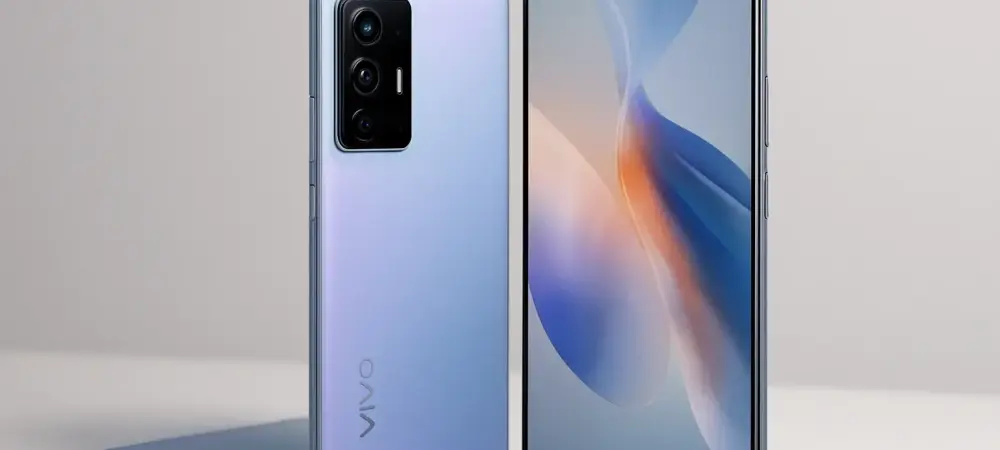
In a smartphone market increasingly saturated with incremental updates and predictable designs, Vivo appears poised to challenge the status quo with its ambitious S50 series, which promises to blend flagship power with compact ergonomics. As the successor to the popular S30 lineup, this new series is generating considerable buzz, particularly for its strategic division into two distinct models. The official confirmation of a December launch in China, marked by an open pre-reservation page, has only intensified speculation. This review delves into the rumored specifications and official announcements to provide a clear picture of what to expect from Vivo’s latest offering.
Setting Expectations Is the S50 Series Worth the Hype
The central question surrounding the Vivo S50 series is whether it constitutes a meaningful upgrade in a fiercely competitive landscape. Early indicators suggest an affirmative answer. By equipping both anticipated models with advanced features like periscope telephoto lenses—a technology often reserved for top-tier flagships—Vivo is signaling an intent to raise the bar for the upper-mid-range segment. This move directly addresses a key consumer demand for versatile and powerful camera systems without the premium price tag.
Furthermore, the lineup’s bifurcated approach appears strategically sound. The standard S50 is positioned to appeal to mainstream users seeking a premium experience, while the S50 Pro Mini targets a niche yet growing audience of consumers who desire flagship performance in a more manageable form factor. This dual strategy allows Vivo to cater to different priorities, potentially strengthening its market position by offering compelling value propositions for two distinct user bases.
Unveiling the Lineup A Look at the S50 and S50 Pro Mini
The upcoming series is expected to feature at least two distinct models: the Vivo S50 and the more powerful Vivo S50 Pro Mini. Serving as the next generation after the S30 series, these devices aim to carve out unique spaces in the market. The standard S50 is rumored to feature a large 6.59-inch 1.5K OLED display and a durable metal frame, powered by the capable new Snapdragon 7 Gen 4 chipset, positioning it as a strong contender in the premium mid-range category.
In contrast, the S50 Pro Mini is designed to be a compact powerhouse. Leaks point toward a smaller 6.31-inch 1.5K OLED screen, making it more pocket-friendly. However, its smaller size belies its internal strength, as it is expected to house the flagship Snapdragon 8 Gen 5 processor. Perhaps its most surprising feature is a massive battery rumored to exceed 6,040mAh, a capacity rarely seen in a device of its size. Both models are expected to share a triple rear camera setup with a periscope telephoto lens and will run on the new OriginOS 6, based on Android 16.
Projected Performance Power Pixels and Endurance
The performance gap between the two models will be one of the series’ defining characteristics. The Snapdragon 7 Gen 4 in the standard S50 is anticipated to deliver smooth, efficient performance for everyday tasks and moderate gaming, aligning with expectations for an upper-mid-range device. Meanwhile, the Snapdragon 8 Gen 5 in the S50 Pro Mini promises top-tier, uncompromising power capable of handling the most demanding applications and games, placing it in direct competition with full-sized flagships.
Beyond raw processing power, the universal inclusion of a periscope telephoto lens is a significant advantage, promising advanced optical zoom capabilities across the lineup. This feature should provide users with exceptional photographic versatility, from detailed long-range shots to high-quality portraits. Moreover, the S50 Pro Mini’s rumored 6,040mAh battery, if accurate, could set a new benchmark for endurance in the compact flagship category, offering multi-day usage for many users. The visual experience on both devices should be excellent, thanks to the high-resolution 1.5K OLED displays, while the new OriginOS 6 is expected to bring a refined and intuitive user interface.
Potential Strengths and Weaknesses A Balanced Perspective
The S50 series showcases several compelling advantages. The S50 Pro Mini, in particular, stands out for its potential to deliver flagship-level performance in a compact form factor, a combination that remains rare in the market. The decision to include advanced periscope camera technology across the entire series democratizes a premium feature, making it a major selling point. Additionally, the Pro Mini’s potentially class-leading battery life and the high-resolution 1.5K OLED displays on both models create a strong foundation for a premium user experience.
However, there are potential drawbacks to consider. A significant concern for international customers is that initial availability is expected to be exclusive to the Chinese market, with no timeline for a global release. The substantial performance difference between the standard S50 and the S50 Pro Mini, while strategic, could also create confusion for consumers trying to understand the lineup’s positioning. Ultimately, the final pricing remains the most critical unknown; its competitiveness will heavily influence whether the series is perceived as a true value proposition or an overpriced niche offering.
Initial Verdict A Promising Leap for the S-Series
Based on the available information, the Vivo S50 series represents an ambitious and well-calculated step forward. The lineup’s most compelling aspects are its clear differentiation between the mainstream S50 and the compact-powerhouse S50 Pro Mini, the universal adoption of advanced camera hardware like the periscope lens, and a strong focus on battery innovation. This strategic blend of features suggests Vivo is not just iterating but actively seeking to disrupt key market segments.
The series appears poised to make a significant impact on both the upper-mid-range and compact flagship categories. By offering a device like the S50 Pro Mini, Vivo caters directly to a vocal minority of users who refuse to compromise on power for the sake of size. Overall, the S50 lineup seems to be a significant and thoughtful upgrade that strategically targets the evolving needs of both mainstream and power users.
Who Should Keep an Eye on the Vivo S50 Series
The Vivo S50 Pro Mini is shaping up to be an ideal choice for consumers who crave flagship-level processing power, a versatile and advanced camera system, and exceptional battery life, all within a smaller, more manageable handset. This model is for anyone who feels that modern flagship phones have become too large but is unwilling to sacrifice performance. On the other hand, the standard Vivo S50 is better suited for users looking for a well-rounded, premium smartphone experience without stretching to a flagship price point. It promises a capable camera, a modern and elegant design with its metal frame, and solid performance for daily use. For all interested buyers, the best course of action is to await the official launch to receive confirmed specifications, official pricing, and crucial details on global availability before making a final purchasing decision.