

With extensive expertise in artificial intelligence, machine learning, and blockchain, IT professional Dominic Jainy has a keen eye for how emerging technologies shape the consumer landscape. Today, he joins us to dissect Lava’s latest move in the hyper-competitive Indian smartphone market. We’ll explore the strategic decisions behind the upcoming Lava Play Max, from its aggressive pricing and gamer-centric design to the surprising inclusion of a brand-new Android OS. This discussion will uncover how Lava aims to balance performance and cost to capture a demanding, value-conscious audience.
The Lava Play Max is priced under Rs. 12,000, below the Ultra 5G, yet both reportedly use the Dimensity 7300 chip. What specific component trade-offs, such as the 50MP versus 64MP camera, make this aggressive pricing possible, and what consumer segment is Lava targeting here?
It’s a classic case of strategic cost optimization to hit a very specific, and very aggressive, price point. The shift from a 64-megapixel sensor in the Ultra to a 50-megapixel one in the Play Max is a significant, yet clever, cost-saving measure. For the target user, the real-world difference is often negligible, but the savings on the component level are tangible. Another key factor is the plastic build, hinted at by the lack of antenna lines. This dramatically reduces manufacturing costs compared to a metal frame. Lava is clearly targeting the young, value-conscious consumer—likely students or first-time jobbers—who prioritize raw performance for gaming and multitasking over premium materials. They’re banking on the powerful Dimensity 7300 chip being the main draw, making compromises on other hardware that this demographic is more willing to overlook.
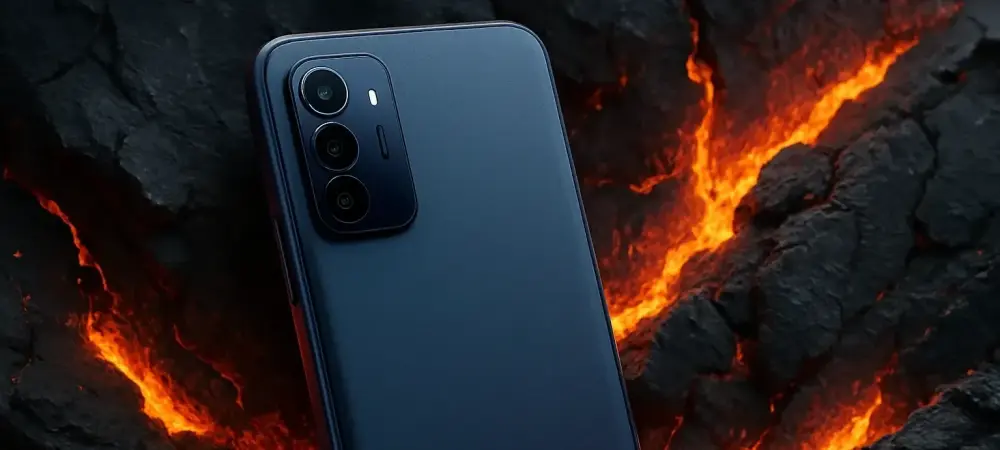
The teaser hints at a plastic build and a unique glowing camera pattern. Can you detail the design philosophy behind these aesthetic choices and explain how the inclusion of a vapor chamber specifically appeals to the “Storm Gamer” persona mentioned in the BIS listing?
The design philosophy here is all about identity and function. In a market flooded with generic-looking devices, that decorative, potentially glowing camera pattern is a bold statement. It’s meant to be expressive and stand out, appealing directly to a younger audience that values aesthetics. The plastic build, while a cost-saving measure, also plays into a functional philosophy of being lightweight and durable. But the real tell is the “Storm Gamer” name and the inclusion of a vapor chamber. That isn’t a feature you add lightly. It’s a direct appeal to mobile gamers, addressing their biggest pain point: thermal throttling. By adding a vapor chamber for active cooling, Lava is sending a clear message that this phone is engineered for sustained, high-intensity gaming sessions. It’s not just a phone that can play games; it’s a device built for the gaming experience.
The Play Max is expected to use the same MediaTek Dimensity 7300 SoC as the pricier Ultra model. Can you walk us through the software optimizations or performance tuning Lava might have implemented to differentiate the user experience, especially when paired with its 120Hz display and UFS 3.1 storage?
When you have identical core hardware, software becomes the key differentiator. I expect Lava to tune the software on the Play Max for raw, unadulterated performance. This means a lean Android experience with minimal bloatware, allowing the Dimensity 7300 to dedicate its full power to the tasks at hand. The magic happens when this tuned performance is paired with a 120Hz display. Every scroll, swipe, and animation feels incredibly fluid and responsive. The inclusion of UFS 3.1 storage is a masterstroke at this price; it drastically cuts down on app and game loading times. So, the user experience will be defined not by a wealth of custom features, but by sheer speed and smoothness, creating a feeling of immediacy that gamers and power users crave.
The report suggests the Lava Play Max will launch with Android 15, which is highly unusual for a budget device. Could you elaborate on the challenges and benefits of shipping with such a new OS, and outline what this might suggest about Lava’s commitment to future software support?
Shipping with Android 15 out of the box is an incredibly ambitious and risky move for a budget device. The primary challenge is stability and optimization. A brand-new OS version always has teething issues, and ensuring it runs flawlessly on mid-range hardware requires immense engineering effort. However, if they pull it off, the benefits are huge. It’s a massive marketing win, positioning the Play Max as the most up-to-date phone in its class and showing a deep commitment to the software experience. This signals that Lava isn’t just focused on a one-time sale; it suggests a long-term support strategy, likely including several major OS upgrades and timely security patches. It’s a powerful way to build brand loyalty and trust in a segment where software support is often an afterthought.
What is your forecast for the budget gaming smartphone segment in markets like India?
I forecast this segment will become the new battleground for innovation in the budget space. We are moving past the simple megapixel and gigahertz wars. The focus is shifting to a holistic performance experience. Features that were once reserved for flagships, like vapor chambers, high refresh rate displays, and ultra-fast storage, will become standard under Rs. 15,000. The key differentiator will be sustained performance and software longevity. Brands that can deliver a clean, up-to-date Android experience combined with hardware that doesn’t falter during long gaming sessions will not only capture market share but also build a loyal community of users who feel their investment is respected long after the initial purchase.