

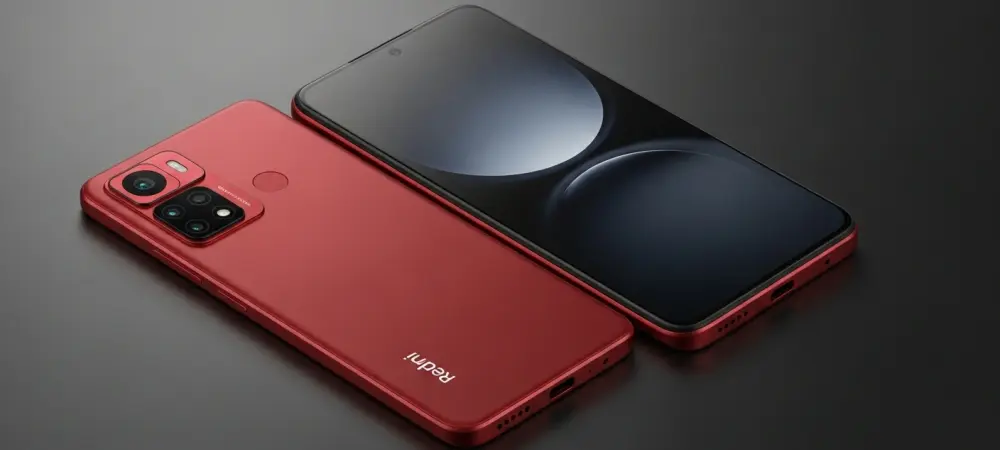
The unrelenting demand for mobile longevity has pushed manufacturers toward a significant breakthrough in battery chemistry, culminating in the upcoming release of the Redmi Turbo 5 on June 16. This device represents a substantial shift in the mid-range segment, primarily due to its integration of a massive 7,560mAh battery that manages to maintain a sleek form factor despite its immense capacity. While previous iterations focused on incremental improvements in processor speed or camera resolution, this new model prioritizes endurance as its headline feature, addressing the primary pain point for heavy users and professionals who spend their days away from a power outlet. By utilizing high-density silicon-carbon materials, the engineers have bypassed the traditional limitations of lithium-ion cells, allowing for more energy to be packed into the same physical volume. This launch signifies a broader industry trend where internal hardware efficiency is no longer the only metric for success.
Engineering a High-Capacity Power Ecosystem
Achieving such a high capacity within the constraints of a modern smartphone chassis required a complete overhaul of the internal architecture and thermal management systems. The Redmi Turbo 5 employs a sophisticated dual-cell arrangement that facilitates rapid energy transfer while minimizing heat generation during intensive tasks. To complement the 7,560mAh reservoir, the manufacturer implemented 90W ultra-fast charging capabilities, ensuring that even a battery of this size can be replenished from zero to fifty percent in a remarkably short window. Furthermore, the inclusion of a dedicated power management chip optimizes discharge rates based on user behavior, extending the total lifespan of the silicon-carbon cells over hundreds of cycles. This hardware synergy is supported by an advanced vapor chamber cooling system that covers nearly sixty percent of the internal components, preventing the thermal throttling that often plagues high-performance devices.
Strategic Impact: The New Standard for Mobile Endurance
The introduction of this device forced competitors to reevaluate their roadmaps for the second half of the year, as the 7,560mAh threshold became the new benchmark for flagship-level endurance. Market analysts observed that the Redmi Turbo 5 successfully bridged the gap between specialized rugged phones and mainstream consumer electronics, proving that high capacity did not have to result in a bulky or unappealing design. Users who prioritized long-form content creation and mobile gaming found the extended uptime provided a level of freedom previously unavailable without external power banks. For organizations looking to deploy mobile fleets, the reduced need for mid-day charging infrastructure presented a clear operational advantage. Future developments will likely focus on refining these high-density chemistries to lower production costs across more affordable product tiers. Adopting these high-capacity solutions early allowed the brand to capture a significant share of the power-conscious demographic effectively.