

The Strategic Shift Toward Accessible 5G Connectivity
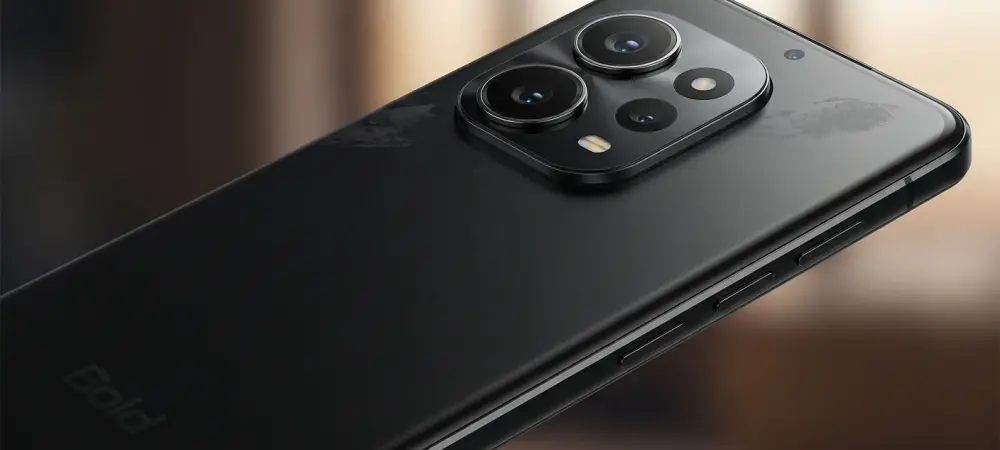
The Indian smartphone landscape is undergoing a radical transformation as homegrown manufacturers aggressively challenge the dominance of global giants with feature-packed yet affordable 5G devices. This recent introduction of the Lava Bold N2 5G represents a pivotal moment for the domestic industry as it seeks to capture a larger share of the budget-friendly market. It underscores the commitment of local players to provide high-speed connectivity and modern specifications to a price-sensitive audience. By focusing on the intersection of affordability and performance, Lava positions itself as a formidable alternative to international competitors. The purpose of this timeline is to trace the development of this specific product line and explain how its features reflect broader shifts in consumer expectations within the Indian subcontinent.
Today, the relevance of such a device is rooted in the rapid expansion of 5G infrastructure across India. As more regions gain access to high-speed networks, the demand for hardware that can utilize these speeds without breaking the bank has skyrocketed. Lava’s strategy involves not just upgrading network capabilities but also addressing the perennial concern of battery life and software longevity. This background sets the stage for a device that aims to be a comprehensive daily driver for the modern user, blending durable build quality with the latest mobile operating standards.
The Evolution and Market Arrival of the Bold N2 Series
Early 2026: The Foundation Set by the Bold N2 4G
The journey toward the current 5G model began earlier in the year with the release of the Lava Bold N2 4G. This initial handset was designed to establish the Bold brand as a reliable choice for entry-level consumers who prioritized a clean user interface and essential features. While successful in its niche, the 4G model served as a baseline that highlighted the growing necessity for faster data processing and improved display technology. This period allowed Lava to gather consumer feedback, which directly influenced the aggressive hardware upgrades seen in the subsequent 5G iteration.
June 2026: The Official Reveal of the Bold N2 5G
In June 2026, Lava officially unveiled the Bold N2 5G, showcasing a significant leap in technical specifications compared to its predecessor. The announcement highlighted the inclusion of a 6nm octa-core Unisoc T8200 processor and a 6.75-inch HD+ display with a 120Hz refresh rate. This event marked a transition for the series, moving from basic functionality to a focus on smooth gaming and multitasking. The introduction of an IP64 rating for dust and water resistance during this reveal signaled a new era where premium durability features were no longer exclusive to flagship devices.
June 9, 2026: Market Entry and Strategic Sales Launch
The timeline culminates with the official sales launch scheduled for June 9, 2026, exclusively via Amazon India. Lava introduced a competitive pricing structure, setting the official price at Rs. 12,999 while offering an introductory promotional rate of Rs. 11,999. This launch phase is characterized by the availability of two distinct color options, Billionaire Blue and Regal Gold, intended to appeal to a wide aesthetic range. By aligning the sales date with major online retail platforms, the company ensured maximum visibility and accessibility for the nationwide rollout.
Key Turning Points and Industry Trends in the Budget Segment
One of the most significant turning points in this product’s development is the integration of a massive 6,000mAh battery. This decision reflects a broader industry trend where endurance is becoming the primary selling point for budget devices. The shift away from thin profiles in favor of multi-day battery life addresses a core pain point for users who may not have frequent access to charging ports. Furthermore, the commitment to shipping the device with Android 16 indicates a movement toward software future-proofing, which has historically been a weakness for domestic brands.
The adoption of high-refresh-rate displays in the sub-Rs. 15,000 category is another pattern that the Bold N2 5G reinforces. By providing a 120Hz experience, Lava is narrowing the gap between entry-level and mid-range smartphones, forcing competitors to reassess their hardware offerings. Additionally, the inclusion of an IP64 rating suggests that environmental protection is becoming a standard expectation rather than a luxury. These themes collectively show a market that is maturing, where consumers are no longer willing to sacrifice build quality or longevity for a lower price tag.
Nuances of the Domestic Strategy and Competitive Landscape
A closer look at Lava’s strategy reveals a unique emphasis on after-sales support that sets it apart from global manufacturers. The offering of a doorstep service for maintenance and repairs is a nuanced approach to building brand loyalty in a crowded market. This service-centric model addresses a common misconception that domestic brands lack the infrastructure to support their customers after the initial purchase. By bringing the technician to the consumer, Lava is attempting to eliminate one of the biggest friction points in the smartphone ownership experience.
There are also interesting trade-offs in the hardware package that reflect the competitive nature of the industry. While the Bold N2 5G supports 18W fast charging, the decision to include a 10W charger in the box is a tactical move to manage costs while still providing essential accessories. Expert opinions suggest that such decisions are common in the budget segment to maintain aggressive pricing. Moreover, the choice of the Unisoc T8200 chipset highlights an emerging innovation in cost-effective 5G processing, allowing for a 6nm architecture that balances power efficiency with high-speed connectivity. The strategic rollout of the device highlighted the necessity of balancing cost with long-term utility. By prioritizing software updates and physical resilience, the company paved the way for more sustainable consumer electronics in the region. This approach forced rival firms to reconsider their hardware-heavy marketing in favor of holistic service packages that addressed the total cost of ownership. Future iterations were expected to refine these power-efficient architectures, potentially leading to even more robust 5G experiences at entry-level price points.