

Introduction
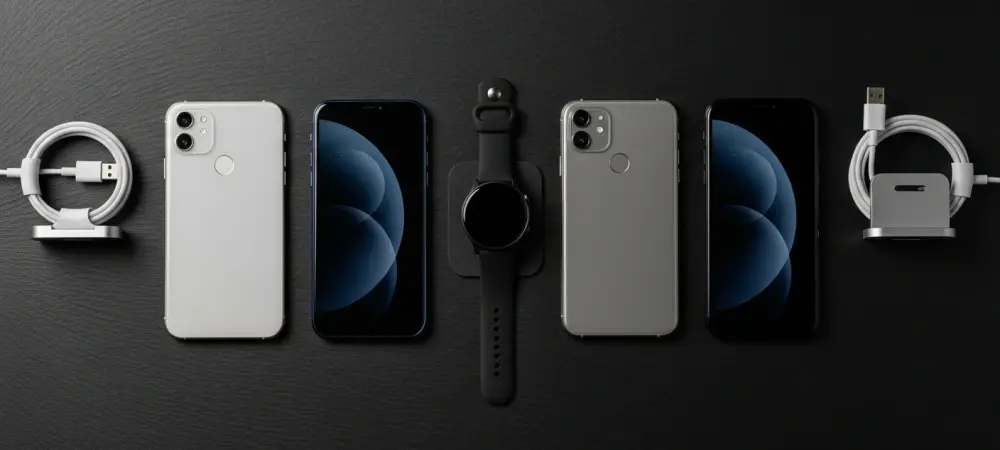
Momentum built quickly when fresh certifications surfaced, signaling that Realme’s mid-tier phone and budget smartwatch were no longer distant rumors but products edging into the spotlight with concrete identifiers, clearer positioning, and an implied rollout path across key markets. Certifications did not reveal everything, yet they created enough clarity to frame the right questions and set expectations with more precision than vague leaks. This FAQ explored what the new SIRIM and BIS entries meant, what the Realme 16T and Watch S5 could deliver, and how they might be priced and positioned. The goal was to turn scattered signals into guidance buyers could actually use, covering probable specs, variants, colors, and the strategic logic behind a tandem phone–wearable refresh.
Key Questions or Key Topics Section
Why do SIRIM and BIS listings matter for the Realme 16T and Watch S5?
Regulatory databases act as launch beacons. Malaysia’s SIRIM listing for RMX5268 (Realme 16T) and RMW2502 (Watch S5), paired with India’s BIS entry for the 16T, suggested market-ready hardware moving through final checkpoints rather than prototype guesswork. Historically, such filings preceded official announcements by weeks, not months.
Moreover, these listings hinted at a coordinated push. Realme often synchronized regional approvals before broader availability, and dual appearances aligned with that pattern. While certifications never guarantee final specs, they reliably confirm existence, model codes, and imminent timing—critical signals for shoppers weighing near-term purchases.
What can be expected from the Realme 16T at launch?
Positioning looked straightforward: the 16T should sit just below the Realme 16 in India, with memory options likely at 6GB/128GB, 8GB/128GB, and 8GB/256GB. Colorways reportedly included Aurora Green, Starlight Black, and Starlight Red, underscoring a mainstream appeal without premium pricing theatrics.
Expect iterative gains over the 15T, which launched at Rs. 20,999 and set a sturdy baseline: a 6.57-inch FHD+ AMOLED, MediaTek Dimensity 6400 Max, a dual rear setup with a 50MP main, a 50MP selfie camera, a hefty 7,000mAh battery with 60W wired and 10W reverse charging, plus IP66/IP68/IP69 protection. The 16T likely refined efficiency, thermals, and camera tuning, while preserving the battery-first ethos that defined its predecessor.
How does the Realme Watch S5 fit into Realme’s wearable strategy?
The Watch S5 followed the Watch S2 (priced at Rs. 4,999) and signaled continued investment in value wearables. In a segment where battery life, health metrics, and durability matter more than flashy gimmicks, Realme’s cadence favored reliable upgrades over reinvention. Given Realme’s playbook, the S5 likely leaned into improved sensors, steadier heart rate and SpO2 tracking, more workout modes, and tighter app polish. Pairing it with the 16T launch created a simple ecosystem pitch: affordable phone, companion watch, one brand promise—utility without bloat.
When and where are these devices likely to launch?
Dual listings pointed to a near-term debut across Malaysia and India, with a broader rollout following. Realme routinely staged announcements in India, then expanded to other regions that shared certification footprints, making both products plausible candidates for a synchronized release window. Market context added urgency. Even as India’s smartphone shipments hit a six-year low in Q1 2026, brands that refreshed mid-tier lineups with clear value tended to hold share. Realme’s strategy echoed that insight: ship practical upgrades, price sensibly, and meet demand where it still runs deep.
Summary or Recap
SIRIM and BIS filings validated the Realme 16T and Watch S5 as launch-bound hardware. The 16T appeared positioned under the Realme 16 with multiple RAM/storage tiers and three colorways, building on the 15T’s strong battery, rugged protection, and sensible performance. The Watch S5 extended Realme’s budget wearable line with likely sensor and software refinements.
The broader takeaway remained consistent: certifications offered reliable timing cues, and Realme leaned into steady, value-centric iteration. Readers looking for specifics on pricing and final specs could expect clarity at announcement, with regional availability following established patterns.
Conclusion or Final Thoughts
The path forward favored practical steps: watch for regional teasers, cross-check model codes against retail listings, and compare the 16T’s launch price to the 15T’s Rs. 20,999 baseline to judge value. Matching the Watch S5’s features to daily needs—battery stamina, health accuracy, app reliability—proved decisive.
In the end, the certifications narrowed uncertainty, the likely specs framed expectations, and the timing cues guided purchase planning. Shoppers who waited for official sheets and first-wave reviews had been best placed to act quickly and confidently.