

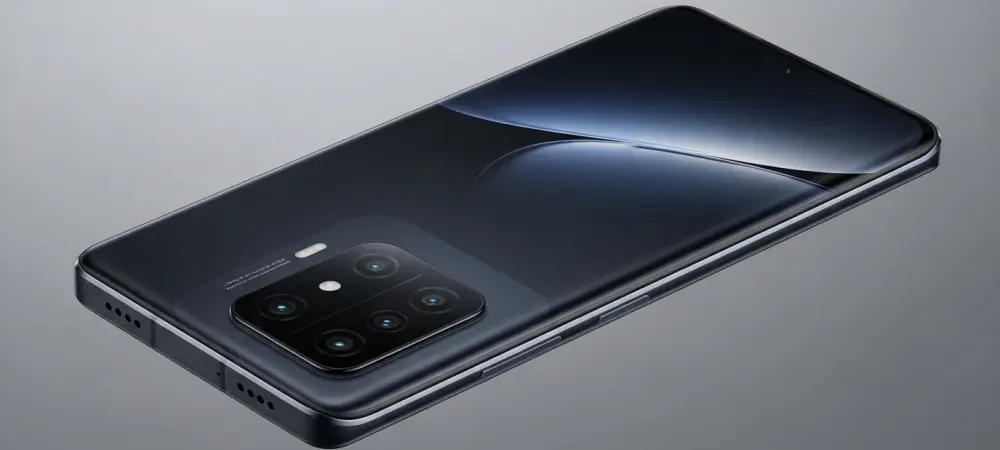
The smartphone market has reached a point where budget no longer implies a compromise on the fundamental interface experience, shifting the focus from raw power toward screen fluidness and endurance. This review explores the Poco C81 Pro, a device that aims to democratize high-refresh-rate displays and massive battery capacities for a global audience. It seeks to understand how this hardware balance impacts the average user while evaluating its position in an increasingly crowded entry-level landscape.
Evolution of the Poco C-Series in the Global Market
The Poco C-series has transitioned from being a rebrand of basic models to a distinct lineup targeting specific user needs in emerging markets. By prioritizing “hero features” like screen size over all-encompassing specifications, Xiaomi has carved out a niche that challenges more expensive mid-range alternatives. This evolution reflects a broader technological shift where the baseline for mobile utility has been raised significantly.
Hardware Architecture and Core Performance
The Unisoc T7250 Chipset and System Efficiency
Utilizing the Unisoc T7250 chipset is a calculated move to maintain cost efficiency while providing reliable connectivity. While it lacks the peak performance of premium silicon, its efficiency allows for smooth multitasking within the modern ecosystem. This choice highlights a strategic shift toward processing power that prioritizes stability over benchmark scores.
Display Dynamics: Balancing Refresh Rate and Resolution
The 6.9-inch panel is an ambitious inclusion, offering a 120 Hz refresh rate that makes scrolling feel significantly more premium. However, the 720p resolution on such a large canvas results in lower pixel density. This trade-off suggests that for target consumers, the visual smoothness of motion is more valuable than the absolute sharpness of individual pixels.
Battery Longevity and Power Management Systems
A 6,000 mAh cell provides genuine multi-day longevity, which is a critical metric for users in regions with inconsistent power access. The 15W charging limit is a notable bottleneck, though, requiring several hours for a full cycle. This dynamic shifts user behavior toward overnight charging rather than quick daytime top-ups.
Software Integration and Emerging Industry Trends
Shipping with HyperOS 3 based on Android 15, the device benefits from modern optimization techniques that reduce system bloat. This software integration reflects a broader industry trend where lightweight skins are essential for keeping entry-level hardware responsive. Such trends indicate that software efficiency is becoming as vital as hardware capacity for long-term device viability.
Real-World Applications and Consumer Use Cases
This device finds its home among gig workers and media consumers who prioritize screen real estate and uptime. The inclusion of a 3.5 mm jack and NFC ensures it remains a versatile tool for both entertainment and digital payments in diverse economic environments. These implementations demonstrate how a budget device can serve as a primary workstation for many.
Addressing Technical Hurdles and Market Constraints
The primary hurdle remains the perception of the Unisoc brand versus more established competitors. Furthermore, the 13 MP camera is strictly utilitarian, which might deter users looking for a social-media-ready photography experience. Balancing these hardware limits with rising component costs remains a constant struggle for manufacturers in this price bracket.
Future Outlook for Entry-Level Mobile Hardware
Looking toward 2027, the entry-level segment will likely see an influx of AI-driven battery optimization and even higher display standards. The C81 Pro sets a precedent that large-scale displays are becoming a standard requirement rather than a luxury. Future iterations will likely need to address charging speeds to maintain their competitive edge.
Summary of Findings and Final Assessment
The assessment revealed that Xiaomi successfully identified a specific demographic that valued screen size and battery life over raw pixel density. The Poco C81 Pro served as a bridge, proving that modern software could thrive on modest hardware. This strategy effectively lowered the barrier to entry for high-refresh-rate technology. Moving forward, manufacturers would benefit from focusing on faster charging standards to complement these high-capacity batteries. The device established a new baseline for what consumers can expect from the sub-two-hundred-dollar category.