

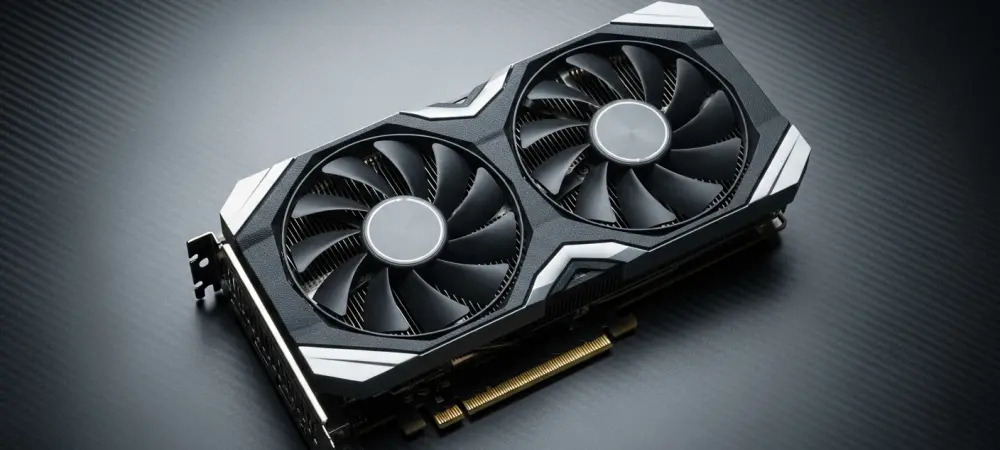
In the high-stakes world of PC enthusiast hardware, the Return Merchandise Authorization process is usually viewed as a necessary inconvenience rather than a potential opportunity for a significant technological windfall. However, a recent incident involving a PNY customer highlights how logistical anomalies can sometimes work in favor of the consumer in unexpected ways. The individual in question initiated a standard warranty claim for a defective GeForce RTX 5070, a mid-range powerhouse that currently commands a price between $600 and $700 in the retail market. Having received the faulty unit as a gift, the user followed official channels to secure a replacement. To their surprise, the package returned by the manufacturer did not contain the original model but instead revealed a high-performance GeForce RTX 5070 Ti. This unexpected swap represents a substantial financial gain of nearly $400, as the Ti variant is valued closer to $1,000. Such occurrences are rare in the industry but demonstrate the erratic nature of inventory management.
Performance Implications: Beyond the Monetary Value
While the immediate financial benefits of receiving a thousand-dollar graphics card for the price of a standard model are obvious, the technical advantages offer even greater long-term value for the user. The GeForce RTX 5070 Ti is not merely a slightly faster version of its predecessor; it provides a measured performance uplift of approximately 20% in complex rendering tasks and gaming benchmarks. A critical component of this performance gap is the inclusion of an additional 4GB of VRAM, bringing the total memory capacity to a level that is increasingly necessary for modern software. In the current landscape of 2026, where developers leverage high-resolution textures and intensive ray-tracing effects, having 16GB of video memory ensures that frame rates remain stable even when visual settings are pushed to their limits. This extra overhead prevents the stuttering and texture pop-in that often plague cards with lower memory buffers. Consequently, the user transitioned from a capable mid-range experience to a truly enthusiast-level setup that will remain relevant for several more years.
Logistical Realities: How Replacement Policies Evolve
The circumstances surrounding this upgrade suggested that logistical constraints often dictated the outcomes of warranty claims during periods of fluctuating stock levels. Manufacturers occasionally fulfilled requests with superior hardware when original parts were unavailable, though the premium nature of the Ti variant made this a particularly lucky outcome. Industry experts noted that such discrepancies usually stemmed from human error or automated warehouse systems prioritizing shipping speed over exact model matching. For consumers facing similar hardware failures, the situation illustrated the importance of maintaining thorough documentation and original receipts to ensure a smooth claim process. It became clear that while one cannot expect a free upgrade, keeping a direct line of communication with technical support maximized the chances of a favorable resolution. Users were advised to verify their replacements upon arrival and document any discrepancies immediately. This specific case stood as a testament to the unpredictable benefits of the RMA system, ultimately providing a blueprint for how enthusiasts managed hardware lifecycles and manufacturer relations.