

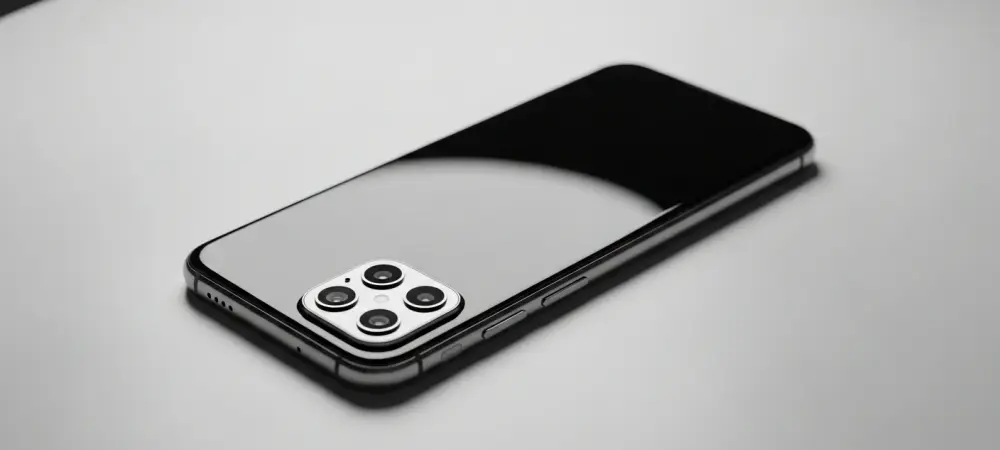
Overview of Google’s Next-Generation Smartphone Lineup
The digital landscape is buzzing with early glimpses into the hardware evolution that Google has planned for its latest smartphone flagship release. This analysis examines leaked specifications for the Pixel 11 series, specifically focusing on the transition from the standard model to the high-performance Pro variant. The series includes four primary models: the base Pixel 11, the Pixel 11 Pro, the Pixel 11 Pro XL, and the premium Pixel 11 Pro Fold.
Google appears to be shifting its market strategy toward a high-performance trajectory by eliminating lower storage tiers and emphasizing hardware parity across its flagship devices. This move aims to compete more effectively with other premium smartphone manufacturers. By streamlining the lineup, the company is positioning itself as a leader in mobile hardware efficiency.
Core Technical and Functional Comparisons
Internal Memory and Storage Architecture
A significant shift for the series is the purported removal of the 128GB entry-level tier. Both the Pixel 11 and Pixel 11 Pro are expected to start with a minimum of 256GB of onboard storage. This standardization ensures that even the base model provides ample room for modern applications and high-resolution media. While the standard Pixel 11 and the 256GB Pixel 11 Pro are slated to feature 12GB of RAM, the 512GB and 1TB versions of the Pro and Pro XL are expected to pack 16GB of RAM. This extra memory is designed to handle more intensive multitasking and advanced AI processing.
Display Characteristics and Power Management
The standard Pixel 11 features a 6.3-inch 120Hz OLED display, providing a smooth visual experience for the base model. Power management varies across the lineup, with the Pixel 11 housing a 4,985mAh battery, whereas the Pro XL model increases this capacity to 5,115mAh. In contrast, the high-end Pro Fold utilizes a 4,750mAh battery, highlighting the different needs for various form factors.
Across both the standard and Pro models, Google has standardized a 13-megapixel front-facing camera. This ensures consistent selfie and video call quality regardless of the chosen tier. This level of uniformity across optics suggests that the core user experience remains high across the entire product family.
Pricing Strategy and Model Variants
Pricing starts at $899 for the Pixel 11, while the Pixel 11 Pro enters the market at $1,099. The larger Pro XL is positioned at $1,299, and the Pro Fold represents the top tier at $1,899, scaling up to $2,249 for maximum storage. Users can choose from several new colorways, including Pistachio, Pine, and Hibiscus, allowing for greater personalization within the premium hardware segment.
Limitations and Market Considerations
The elimination of the 128GB storage tier effectively raises the entry price for the Pixel ecosystem, which may serve as an obstacle for budget-conscious consumers. Since the data originated from premature Amazon listings, there is a risk that these figures serve as placeholders. Prospective buyers should consider that final retail prices and specific technical specs might fluctuate slightly following the official unveiling.
Furthermore, choosing the Pro Fold offers a unique 6.5-inch cover display but involves a trade-off in battery capacity compared to the standard Pro XL model. Consumers had to weigh the benefits of a foldable screen against the raw power and battery longevity of the more traditional flagship designs.
Summary and Purchasing Recommendations
The Pixel 11 series represented a move toward higher storage minimums and specialized RAM configurations for power users. The Pro models provided significant memory upgrades that the standard model lacked. The base Pixel 11 was best suited for consumers who prioritized a high-quality 120Hz display and a robust battery at the most accessible price point in the new lineup. The Pixel 11 Pro or Pro XL was the superior choice for those requiring maximum performance for professional applications. Selection criteria were based on the balance between display size, the necessity of 16GB of RAM, and the willingness to invest in the foldable form factor. Future buyers should keep these hardware distinctions in mind when evaluating long-term device utility.