

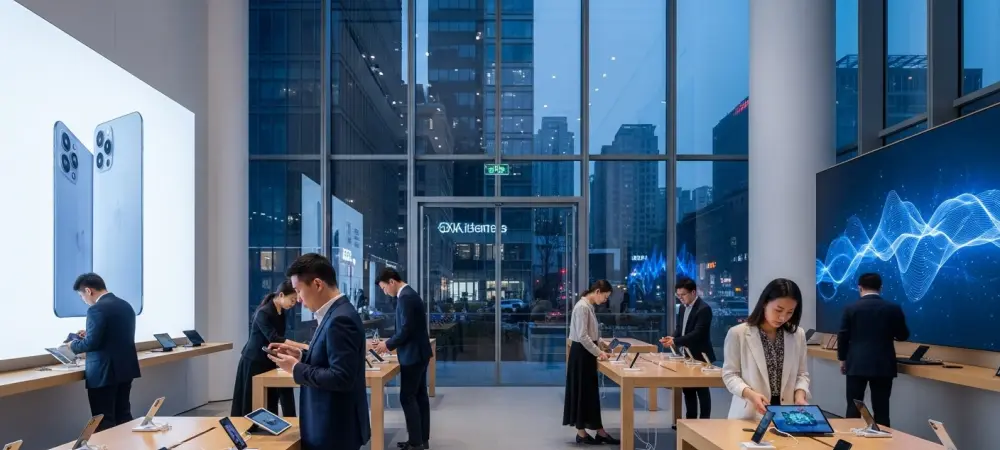
The Chinese smartphone market has undergone a remarkable transformation recently, characterized by a cooling broader economy and shifting consumer priorities that have left many mid-range manufacturers struggling to maintain their footing. Despite these prevailing winds of economic uncertainty, the premium segment continues to exhibit surprising resilience, largely driven by the intense rivalry between Huawei and Apple. These two titans have managed to carve out a unique space for themselves, effectively insulating their high-end shipments from the volatility seen in the entry-level and mid-tier categories. This phenomenon is not merely a result of brand loyalty but is deeply rooted in the rapid pace of technological integration within the domestic supply chain. By focusing on cutting-edge features like generative artificial intelligence, both companies have successfully convinced consumers that flagship devices are essential, thereby stabilizing their total market shares.
Domestic Innovation: Driving Ecosystem Growth
Building on this foundation of premium demand, Huawei has leveraged its deep-rooted technical expertise to reclaim lost ground, particularly through its refined HarmonyOS ecosystem and proprietary chipsets. The brand has capitalized on a strong sense of national pride and technological self-reliance, which has resonated deeply with local consumers who seek alternatives to Western hardware. This resurgence is fueled by the release of advanced handsets that prioritize local software integration and high-speed networking capabilities tailored specifically for the Chinese infrastructure. Furthermore, the company has expanded its physical retail presence, creating immersive environments where users can experience the seamless connectivity between their phones, wearables, and smart home devices. By fostering this holistic digital environment, the manufacturer has created a high barrier to exit for its user base, ensuring that once a consumer enters the ecosystem, they remain for many cycles.
Strategic Outlook: Essential Next Steps
Apple maintained its competitive edge by prioritizing its services division and refining the integration of its proprietary silicon to offer unmatched performance. The company recognized that the Chinese consumer increasingly valued long-term hardware durability, which led to an increased emphasis on trade-in programs and financing options. These tools made the flagship models more accessible to a wider audience. To thrive, industry participants examined the necessity of developing localized artificial intelligence features that complied with regional data regulations. It became clear that success in this mature market required a shift from hardware specifications to the delivery of high-value digital experiences. Brands were urged to adopt deep cultural adaptation to ensure relevance. Industry leaders focused on sustainable supply chains and energy-efficient hardware to meet the growing demand for corporate responsibility. This evolution suggested that long-term dominance depended on balancing global brand prestige with local utility.