

The arrival of a mobile platform that transcends the traditional boundaries of handheld computing marks a pivotal shift in how the international market perceives premium smartphone hardware. Scheduled for a global release on April 21, 2026, the Find X9 Ultra represents more than just a flagship device; it serves as the nucleus for a sophisticated suite of performance-oriented peripherals. This strategic rollout signals a transition away from isolated hardware launches toward a unified ecosystem designed to address the most demanding requirements of professional mobile users.
The Convergence of Mobile Performance and Peripheral Integration
The ecosystem philosophy revolves around the idea that a high-performance processor is only as effective as the support systems surrounding it. By integrating specialized hardware for power and thermal regulation, this suite eliminates the common bottlenecks found in standard flagship models. This approach differentiates the brand from competitors who often prioritize aesthetics over the functional longevity required for pro-grade applications.
Furthermore, the emergence of this integrated hardware suite reflects a broader technological evolution where the smartphone acts as a mobile workstation. The seamless interaction between the device and its accessories creates a reliable environment for tasks that previously required dedicated desktop hardware. This shift is particularly evident in the way power delivery and heat dissipation are no longer treated as secondary considerations but as core components of the user experience.
Core Pillars of the Find X9 Technological Suite
High-Velocity Power Delivery via GaN Architecture
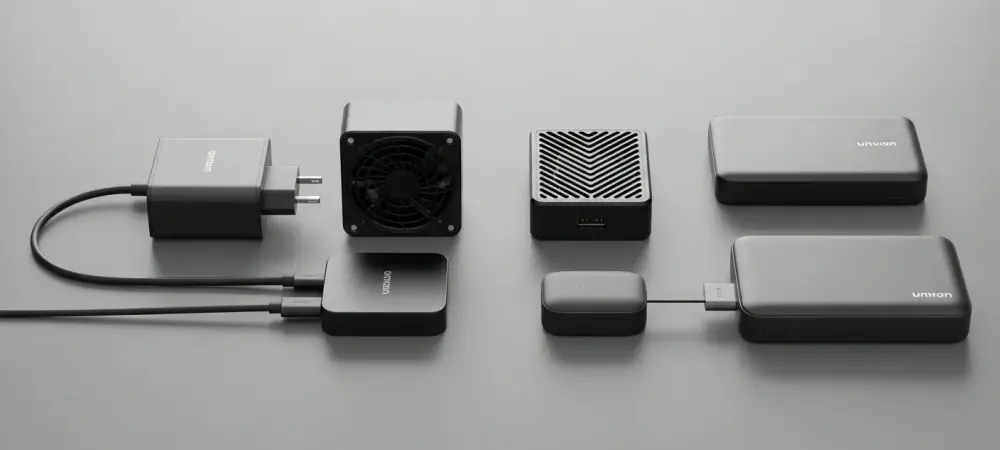
The utilization of Gallium Nitride technology in the 120W and 100W Mini chargers allows for significant power density without the physical bulk of traditional silicon-based bricks. These components leverage the high electron mobility of GaN to minimize energy loss, enabling the Find X9 Ultra to reach a 71% charge in approximately thirty minutes. This efficiency matters because it reduces the downtime associated with intensive daily workflows, providing a distinct advantage for users who cannot remain tethered to an outlet.
Active Thermal Management Systems
Maintaining peak performance during heavy workloads is achieved through the Magnetic Ice Card and hybrid cooling solutions. The 9.8mm profile of the cooling unit allows it to remain unobtrusive while providing active heat dissipation, operating at a quiet 22dB. This implementation is unique because it combines magnetic convenience with professional cooling standards, ensuring that internal components do not throttle under the stress of sustained gaming or complex data processing.
High-Capacity Portable Energy Solutions
For mobile professionals, the 15,000mAh SuperVOOC power bank offers a bridge between portability and high-wattage charging. The dual-port configuration supports multiple devices simultaneously, utilizing advanced safety protocols to ensure stable current delivery. Unlike standard portable chargers, this unit is engineered to match the specific voltage requirements of the Find X9 series, preventing the battery degradation often caused by third-party charging solutions.
Global Expansion and the Pro-Grade Market Shift
The move to bring previously exclusive Chinese hardware to the global stage highlights a growing demand for specialized mobile tools. As consumers move toward more complex use cases, the need for an integrated hardware environment has become a significant market driver. This expansion reflects a calculated effort to set a new standard for what constitutes a premium mobile package in 2026, focusing on functional synergy over simple specification bumps.
Industry Applications for High-Performance Mobile Ecosystems
Professional mobile photography and 4K video production benefit immensely from this hardware synergy, as active cooling prevents the sensor overheating common in prolonged shoots. Competitive gaming also sees a massive improvement, as the external cooling units allow the GPU to maintain its maximum clock speed without performance dips. These real-world applications demonstrate that the ecosystem is built for creators and enthusiasts who push their hardware to its absolute limits.
Technical Barriers and Market Limitations
Despite the advancements, the technology faces challenges such as the rigorous regulatory standards for high-wattage portable power in various international regions. Additionally, while active cooling is effective, it introduces extra weight and bulk that might deter casual users. Ongoing development must focus on further miniaturizing these components while mitigating the natural chemical wear that occurs during high-velocity charging cycles.
The Future of Integrated Mobile Hardware
The trajectory of this technology points toward the eventual adoption of solid-state batteries, which would offer even higher energy density and improved safety. Future iterations will likely see more seamless magnetic integration, perhaps moving toward a modular internal design where cooling and power can be swapped instantly. This evolution will further solidify the “phone-as-a-hub” philosophy, potentially disrupting the traditional boundaries between mobile and desktop computing.
Final Assessment of the Find X9 Ecosystem
The Find X9 ecosystem successfully established a new paradigm for how professional mobile hardware functioned. It moved the conversation away from raw processing power and redirected it toward sustained performance and environmental adaptability. By addressing the critical issues of thermal throttling and battery anxiety, the brand demonstrated that a smartphone could indeed serve as a comprehensive workstation. This development paved the way for future innovations in wireless efficiency and modular hardware design. The integration of these pro-grade tools proved essential for a market that demanded reliability over novelty. As industry standards shifted, the focus on a cohesive peripheral strategy remained the most significant contribution to the premium mobile landscape.