

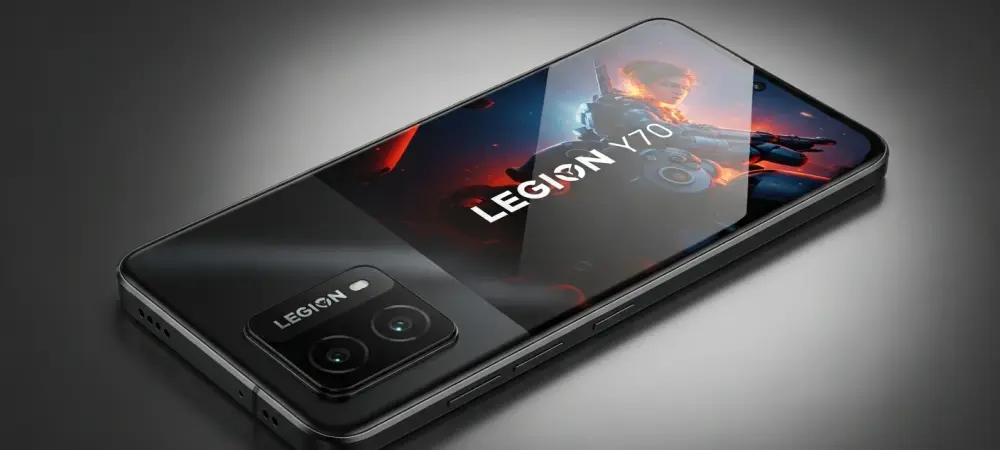
The competitive mobile gaming landscape has undergone a radical transformation recently, leaving enthusiasts questioning if any brand could challenge the dominant players currently controlling the high-end market. Lenovo has answered this by resurrecting a dormant giant from its four-year hiatus. The Legion Y70 represents a calculated attempt to reclaim lost ground by blending extreme performance with a newly refined aesthetic that appeals to both hardcore players and everyday users. This relaunch positions the device as a formidable rival to the RedMagic series, signaling a shift toward more versatile gaming hardware.
Evolution of the Legion Series and the Gaming Mobile Market
The return of the Legion brand marks a pivot from the niche, overly aggressive designs of the past to a more sophisticated philosophy. By integrating the high-performance DNA of its predecessors with modern design sensibilities, Lenovo seeks to bridge the gap between specialized gaming gear and flagship utility. This strategic move addresses a market where users increasingly demand a single device capable of both professional gaming and daily productivity.
Technical Architecture and Core Specifications
Next-Generation Processing: Snapdragon 8 Elite Gen 5
At the heart of this hardware lies the Snapdragon 8 Elite Gen 5, a chipset engineered to sustain peak frame rates during grueling sessions. This processor does not merely provide raw speed; it utilizes advanced instruction sets to optimize power consumption. Such efficiency ensures that competitive players maintain a steady advantage without the sudden performance throttles that often plague lesser devices during intensive mobile esports matches.
Aesthetic Overhaul: Triple-Lens Imaging System
The design borrows heavily from the sleek Motorola Edge 70, featuring a sophisticated rectangular camera island that houses a powerful 50 MP primary sensor. Unlike the bulky gaming phones of the early decade, the Y70 adopts textured finishes and an ergonomic profile. This shift proves that a gaming device can provide professional-grade photography and a premium hand-feel without sacrificing the internal volume required for high-end cooling components.
Emerging Trends: The Integration of Software Intelligence
Modern hardware is no longer defined solely by its silicon, as artificial intelligence has become the new frontier for mobile optimization. Lenovo has integrated a dedicated physical button to trigger AI-driven gaming modes, which instantly reallocate system resources to the active application. This software intelligence analyzes thermal data in real time, adjusting clock speeds to prevent overheating before it even begins, representing a move toward proactive rather than reactive performance management.
Real-World Applications and Ecosystem Synergy
Professional Grade Mobile Esports
In the world of competitive gaming, every millisecond of latency can determine the outcome of a championship. The Y70 caters specifically to this high-tier demographic by providing ultra-responsive touch sampling rates and customizable trigger sensitivities. This level of precision allows mobile athletes to execute complex maneuvers with the same reliability found on dedicated desktop peripherals, effectively narrowing the gap between mobile and PC gaming experiences.
Unified Ecosystem: Integration with Legion Tablets
Beyond its standalone capabilities, the smartphone functions as a central hub within a broader ecosystem of portable devices. It synchronizes seamlessly with the latest Legion tablets, allowing for shared processing power and unified notifications. This synergy transforms the mobile device from an isolated gadget into a crucial component of a comprehensive gaming station, enabling users to transition between different screen sizes without interrupting their workflow or gameplay.
Market Obstacles and Technical Challenges
Re-entering a saturated market after several years presents significant hurdles, particularly regarding brand loyalty and consumer trust. While the hardware is impressive, Lenovo must prove that it can offer long-term software support and consistent updates to compete with established giants. Furthermore, the thermal challenges inherent in the Snapdragon 8 Elite Gen 5 require sophisticated vapor chamber designs that add weight and cost, forcing a delicate balance between portability and cooling efficiency.
Future Outlook: AI-Enhanced Gaming Hardware
The trajectory of this technology suggests a future where mobile devices may eventually render traditional portable consoles obsolete. As AI continues to evolve, we can expect deeper integration that anticipates user needs, such as automatically downloading patches or optimizing graphics settings based on ambient lighting. This evolution will likely lead to even more specialized hardware that focuses on cloud gaming stability and neural processing efficiency, further blurring the lines between different gaming platforms.
Final Assessment of the Lenovo Legion Y70
The introduction of this device established a new benchmark for what a modern gaming flagship should offer in terms of both power and practicality. It demonstrated that a long absence from the market could be used to observe and correct the mistakes of competitors, resulting in a more balanced product. The Y70 successfully moved the needle toward a future where high-end performance is no longer synonymous with bulky, singular-purpose designs. Its presence encouraged more aggressive innovation across the industry, ensuring that subsequent hardware releases will need to prioritize intelligent software integration alongside traditional specifications. Manufacturers were forced to reconsider the value of ecosystem synergy as a primary selling point for the next generation of portable electronics.