

Introduction
The evolution of mobile photography has reached a staggering milestone where smartphone sensors now rival professional grade equipment in capturing the finest nuances of light and texture. Huawei recently unveiled its latest flagship lineup, the Pura 90 Pro and Pura 90 Pro Max, signaling a bold rebranding that honors the classic aesthetic of the celebrated P30 series while pushing technological boundaries. This launch signifies more than just a name change; it represents a comprehensive overhaul of how artificial intelligence interacts with optical hardware to deliver superior imaging results for daily users and professionals alike.
This article explores the specific advancements within the Pura 90 series, focusing on the sophisticated camera systems, the integrated AI tools, and the hardware that drives these experiences. By examining the technical nuances and design choices, readers will understand how these devices aim to redefine the premium smartphone market through 2026 and beyond. The scope covers everything from the physical build and battery performance to the pricing structure and the new software ecosystem.
What Defines the Photography Capabilities of the Pura 90 Pro Max?
The pursuit of perfect image clarity often hits a wall due to physical sensor limitations in compact devices, yet the Pura 90 Pro Max overcomes this with a massive 200MP periscope telephoto lens. This sensor utilizes a 4x optical zoom and industry-leading CIPA 7.0 stabilization to ensure that even distant subjects remain sharp and free from motion blur. Such a high resolution allows for significant cropping without losing essential detail, a feature previously reserved for much larger camera bodies.
Supporting this telephoto power is a 50MP RYYB main camera that incorporates a Lateral Overflow Integration Capacitor sensor. This technology, paired with a 10-stop variable aperture ranging from f/1.4 to f/4.0, provides remarkable control over depth of field and light intake. While the standard Pro model uses a 50MP telephoto sensor, both devices maintain a focus on preserving detail in low-light environments. These improvements ensure that the hardware can handle high-contrast scenes by balancing highlights and shadows more effectively than prior generations.
How Do Internal Components Enhance the User Experience?
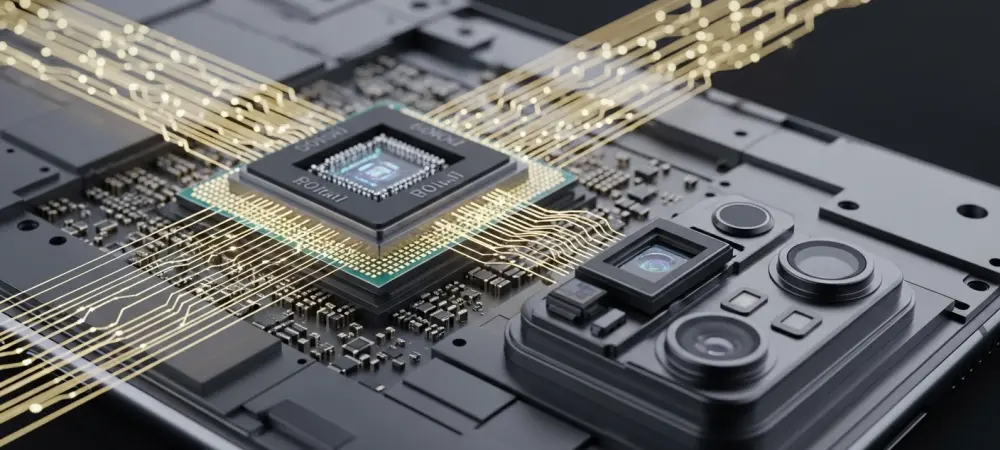
Modern smartphones require more than just raw power; they need intelligent management of resources to handle complex AI tasks and maintain long battery life. Both handsets feature the Kirin 9030S chipset, which introduces substantial upgrades to the Neural Processing Unit and the Image Signal Processor. These internal improvements are vital for running HarmonyOS 6.1, which serves as the foundation for the new agentic AI tools that allow for seamless object removal and advanced image editing directly on the device.
Beyond processing power, the series addresses the persistent need for endurance by housing a robust 6,000 mAh battery in both models. To keep users connected, the system supports 100W wired and 80W wireless charging, allowing for rapid power recovery during short breaks. While the Pro features a 6.6-inch LTPO OLED and the Max offers a larger 6.9-inch display, both maintain high energy efficiency. This combination of hardware and software optimization ensures that the devices remain responsive even during intensive tasks like high-definition video recording or complex multitasking.
What Are the Key Design and Durability Standards?
As smartphones become more expensive, consumers demand a level of physical resilience that matches the high price point and internal sophistication. Huawei responded by utilizing second-generation Kunlun glass, which provides enhanced scratch and drop resistance for the expansive OLED displays. Furthermore, both the Pro and Pro Max carry an IP68 and IP69 rating, ensuring they remain protected against dust and water immersion, even in more demanding environmental conditions.
The visual appeal of the series is equally prioritized, featuring a return to gradient aesthetics with colors such as Pink Guava, Orange Ocean, and Sunset Purple. Starting at CNY 5,499 for the Pro and CNY 6,499 for the Pro Max, the series positions itself as a premium yet accessible choice for those seeking high-end functionality. Although the initial launch focuses on the Chinese market starting April 29, the design language and build quality suggest a product intended to compete on a global stage.
Summary or Recap
The Pura 90 Pro series represents a strategic shift for Huawei, combining nostalgic design elements with futuristic camera technology. By integrating 200MP sensors and sophisticated AI through the Kirin 9030S chipset, the company provides a comprehensive solution for mobile photography enthusiasts. The hardware focuses on durability and fast charging, ensuring that the high-resolution displays and powerful processors do not compromise the daily utility of the devices. These handsets establish a high bar for what a flagship phone can achieve when software and hardware are developed in tandem.
Conclusion or Final Thoughts
The arrival of the Pura 90 Pro series demonstrated how critical the intersection of AI and high-resolution optics became for the modern mobile industry. It moved the conversation away from simple megapixel counts and toward the intelligent processing of visual data. Users had to consider how these advancements changed their approach to capturing personal history and professional content. Ultimately, the series suggested that the future of mobile technology resided in devices that could think as well as they could see, encouraging a deeper look into how AI-driven tools might simplify creative workflows.