

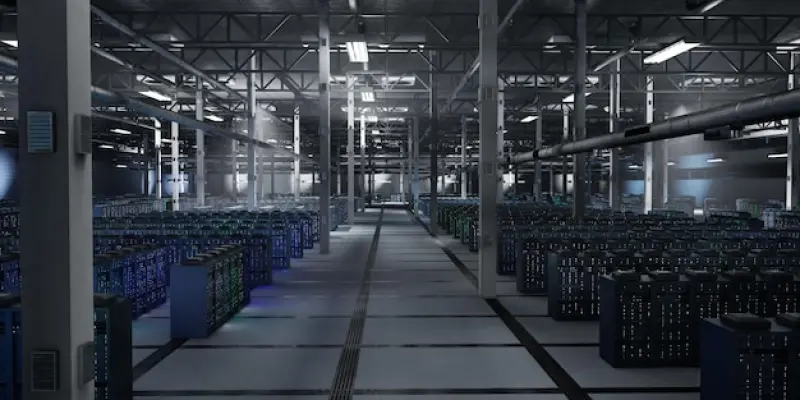
In a significant move underscoring the growing ties between technology and diplomacy, OpenAI is planning to expand its influence in the Middle East through the establishment of a new data center in the United Arab Emirates (UAE). OpenAI’s potential announcement during Trump’s visit aligns with grander ambitions for tech investments in the Middle East, evident in similar pursuits for advanced semiconductor initiatives in Saudi Arabia. OpenAI has a longstanding engagement with the UAE, forming a nexus with Abu Dhabi’s prominent AI company G42 and securing vital investments from both Microsoft and MGX. The latter is significantly backed by an Emirati royal entity, illustrating the interplay of governance and enterprise in such major tech infrastructures.
Strategic Significance of the UAE Partnership
Partnerships like the one OpenAI is exploring in the UAE underscore the strategic direction of its global infrastructure development. High-performance Nvidia chips, crucial for artificial intelligence model training, form the backbone of this endeavor. However, the road to this technological leap is complex, primarily due to existing U.S. export restrictions that complicate the transaction of such semiconductor technologies to the UAE. Despite these obstacles, the Trump administration’s negotiations are pivotal in opening doors for Gulf nations, including the UAE, to gain access to these critical technologies. This move reflects the UAE’s growing international tech investments, particularly in the United States, indicating a mutual exchange that benefits both regions. Ensuring this technology does not end up in competing markets like China is a priority, as the U.S. tightens its regulatory drafts to navigate the international landscapes of technology distribution effectively and securely.
Navigating Geopolitical and Economic Landscapes
OpenAI’s plan to expand into the UAE symbolizes the vital role of international AI infrastructure in shaping global tech landscapes. This venture emphasizes the dynamic and strategic tech relations between the Middle East and the U.S., crafted against the backdrop of complex geopolitical and economic scenarios. These interactions help both parties find mutual benefits while sustaining technological and economic independence. In doing so, they widen OpenAI’s reach and demonstrate the vast possibilities and strategic advances AI development brings to various continents. These moves highlight the intertwining of technology and politics, impacting global discussions on technology ownership, utilization, and accessibility. Moreover, OpenAI’s envisioned data center in the UAE, coupled with strategic visits like Trump’s, stresses the international pursuit to elevate AI infrastructure while navigating geopolitical complexities. This effort underscores how governmental policy, corporate strategy, and international affairs come together, driving forward the digital age and enhancing AI’s global influence.