
Nvidia’s RTX 5060 Release Marred by Driver Delays and Criticism

Article Highlights
Off On

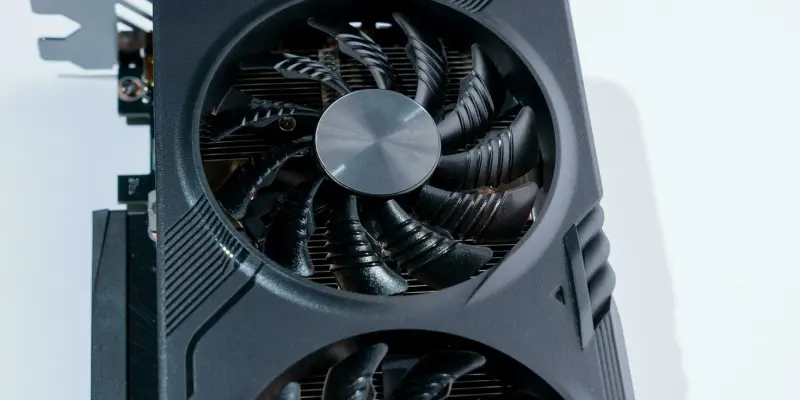
The arrival of Nvidia’s RTX 5060 graphics card has faced significant challenges, particularly concerning delayed driver availability, which has hindered reviewers from providing comprehensive critiques ahead of the card’s much-anticipated May 19 launch. This situation differs markedly from previous releases, such as the RTX 5060 Ti 8GB, where Nvidia faced scrutiny for delaying review samples. In the current scenario, while reviewers possess the cards, they are unable to evaluate them effectively due to the absence of necessary drivers. This has led to increasing criticism about Nvidia’s transparency. Previously, the selective release of the RTX 5060 Ti 16GB further fueled skepticism, as it appeared to mislead consumers regarding the potential performance of the 8GB version. The ongoing delay in driver release has given rise to allegations that Nvidia might be attempting to mask potential performance shortcomings of the RTX 5060, particularly due to limitations associated with its 8GB VRAM.

Driver Challenges and Strategic Timing

Analysts and industry critics are scrutinizing Nvidia’s launch strategy of the RTX 5060, suggesting it was timed to coincide with Computex, a major tech event, to strategically deflect criticism amidst numerous other announcements. While Nvidia has attempted to positively frame the release, experts argue these efforts may unintentionally underscore the card’s weaknesses. Critics contend that the graphics card would have performed better with 12GB of VRAM; however, Nvidia appears to be navigating its path, potentially responding to AMD’s RX 9060 XT launch or preparing for upgrades to their 50-series. These strategic maneuvers leave consumers relying heavily on Nvidia’s performance specifications, which some believe are biased. This environment of incomplete information and ambiguity advises buyers to remain cautious until third-party reviews emerge after the product’s official release. Nvidia’s handling of the RTX 5060 underscores broader market tensions, highlighting the importance of transparency and trust in brand-consumer interactions.

Explore more

AI Redefines Software Engineering as Manual Coding Fades

The rhythmic clacking of mechanical keyboards, once the heartbeat of Silicon Valley innovation, is rapidly being replaced by the silent, instantaneous pulse of automated script generation. For decades, the ability to hand-write complex logic in languages like Python, Java, or C++ served as the ultimate gatekeeper to a world of prestige and high compensation. Today, that gate is being dismantled

Is Writing Code Becoming Obsolete in the Age of AI?

The 3,000-Developer Question: What Happens When the Keyboard Goes Quiet? The rhythmic tapping of mechanical keyboards that once echoed through every software engineering hub has gradually faded into a thoughtful silence as the industry pivots toward autonomous systems. This transformation was the focal point of a recent gathering of over 3,000 developers who sought to define their roles in a

Skills-Based Hiring Ends the Self-Inflicted Talent Crisis

The persistent disconnect between a company’s inability to fill open roles and the record-breaking volume of incoming applications suggests that modern recruitment has become its own worst enemy. While 65% of HR leaders believe the hiring power dynamic has finally shifted back in their favor, a staggering 62% simultaneously claim they are trapped in a persistent talent crisis. This paradox

AI and Gen Z Are Redefining the Entry-Level Job Market

The silent hum of a server rack now performs the tasks once reserved for the bright-eyed college graduate clutching a fresh diploma and a stack of business cards. This mechanical evolution represents a fundamental dismantling of the traditional corporate hierarchy, where the entry-level role served as a primary training ground for future leaders. As of 2026, the concept of “paying

How Can Recruiters Shift From Attraction to Seduction?

The traditional recruitment funnel has transformed into a complex psychological maze where simply posting a vacancy no longer guarantees a single qualified applicant. Talent acquisition teams now face a reality where the once-reliable job boards remain silent, reflecting a fundamental shift in how professionals view career mobility. This quietude signifies the end of a passive era, as the modern talent