

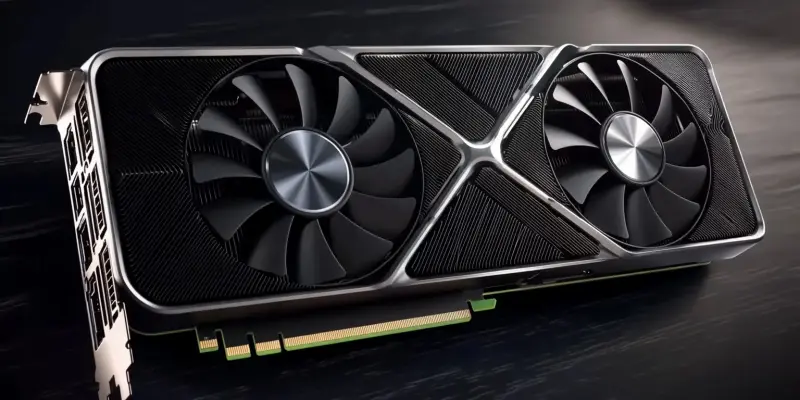
The Nvidia RTX 5090 Founders Edition (FE) is generating significant buzz in the tech community, with rumors and early reports painting a picture of a powerful yet potentially demanding graphics card. As enthusiasts eagerly await its release, discussions around its power consumption, noise levels, and performance are heating up. This article delves into the various aspects of the RTX 5090 FE, evaluating the conflicting information to provide a comprehensive overview of what to expect from this highly anticipated GPU.
Rumors and Speculations: Power Consumption and Noise Levels
One of the most talked-about aspects of the RTX 5090 FE is its power consumption. A rumor from a Chinese forum, Chiphell, suggests that the GPU will have a power consumption of 600W, a significant increase from the RTX 4090’s 450W. This speculation is based on a translated post from a review currently under embargo until January 24. The post implies that the editor described the noise and power requirements during testing as significantly increased compared to the RTX 4090. This potential increase in power demands raises concerns about the suitability of existing setups and necessitates an evaluation of power supply capabilities.
However, this rumor is met with skepticism and contradictory reports from other sources. For instance, a video from CES by the PC Centric channel presents a different narrative. In the video, a basic sound test indicates that the RTX 5090 FE is “very, very quiet.” The tester notes that the GPU ran quietly even under demanding circumstances, such as playing Cyberpunk 2077 at maximum settings for an extended period. This quiet operation contradicts the noisy reputation rumored on the Chinese forum. The conflicting reports raise questions about the actual performance and operational characteristics of the RTX 5090 FE, emphasizing the need for trustworthy sources and hands-on reviews.
Nvidia’s Cooling Innovations: Addressing Noise Concerns
Despite the contradictory information regarding noise levels, Nvidia’s efforts in designing the RTX 5090 FE with innovative cooling solutions are noteworthy. The GPU is reportedly slimmer than the RTX 4090, moving from a 3.5-slot size to a dual-slot size, suggesting confidence in its cooling efficiency. Nvidia has introduced cooling technologies, including improved Liquid Metal thermal interface material (TIM) and a unique three-piece PCB (printed circuit board) designed to enhance cooling without increasing fan noise. These advancements highlight Nvidia’s ongoing commitment to pushing the boundaries of GPU technology while addressing concerns about heat dissipation and noise.
These design choices reflect Nvidia’s commitment to improving cooling performance without compromising on size or noise levels. The use of advanced materials and innovative engineering solutions aims to mitigate noise, even with the increased power consumption. This optimism is supported by Nvidia’s statements and design choices aimed at improving cooling performance without compromising on size or noise levels. With the integration of these technologies, Nvidia aims to ensure that the RTX 5090 delivers top-tier performance while maintaining an acceptable level of operational noise.
Power Supply Considerations: Preparing for Increased Demands
Should the 600W rumor prove accurate, RTX 5090 users will need to ensure they have a robust power supply unit (PSU). Corsair recommends a 1000W PSU for the RTX 5090, particularly if paired with a high-end CPU, to avoid system malfunctions due to inadequate power supply. This significant increase in power consumption necessitates careful planning and investment in a suitable PSU to ensure stable and reliable performance. Ensuring that the power supply can handle the demands of the RTX 5090 is crucial to preventing malfunctions and achieving optimal performance.
The potential need for additional investments in power supplies and cooling solutions must be weighed against the performance gains offered by the RTX 5090. Early adopters will need to consider whether the upgrade justifies the costs involved, including ancillary expenses like power supplies. The anticipated performance gains are promising, but they come with significant costs and requirements that must be carefully considered by anyone looking to upgrade. Navigating these considerations effectively will play a pivotal role in maximizing the benefits of the RTX 5090 FE.
Performance Expectations: A Leap Forward
The RTX 5090 is expected to demand a significant investment, with a rumored price of $1,999 / £1,939 / AU$4,039. This cost is coupled with a reported performance boost of up to 30%, based on Blender benchmarks highlighted by VideoCardz. The performance increase is substantial, promising a leap forward in gaming and rendering capabilities. This promising boost in performance underscores Nvidia’s continuous efforts to innovate and push the boundaries of what’s possible in GPU technology.
However, it is worth noting that while the RTX 5090 represents a leap in performance, it may be overkill for most gamers. The current RTX 4090 already offers substantial power, and many users may not fully utilize the additional performance provided by the RTX 5090. Early adopters will need to consider whether the upgrade justifies the costs involved, including ancillary expenses like power supplies. For some, the allure of cutting-edge technology may outweigh practical considerations, while others might find the RTX 4090 sufficient for their needs.
The Importance of Comprehensive Reviews
The Nvidia RTX 5090 Founders Edition (FE) is building major excitement in the tech world, with rumors and initial reports suggesting it will be a highly powerful but possibly demanding graphics card. Tech enthusiasts are eagerly counting down to its launch, sparking heated debates about its power consumption, noise levels, and overall performance. Anticipation is high, as many questions remain about how it will stack up against current GPUs on the market. This article takes a close look at the various facets of the RTX 5090 FE, assessing the varied and sometimes conflicting information available to offer a thorough overview of what users can expect from this eagerly awaited GPU. Balancing the hype with cautious optimism, it is essential to look into whether the advancements in this card will meet the lofty expectations, particularly in terms of gaming and professional use. From power efficiency to performance benchmarks and thermal design, these aspects will determine if the RTX 5090 FE truly sets a new standard in the world of graphics cards.