

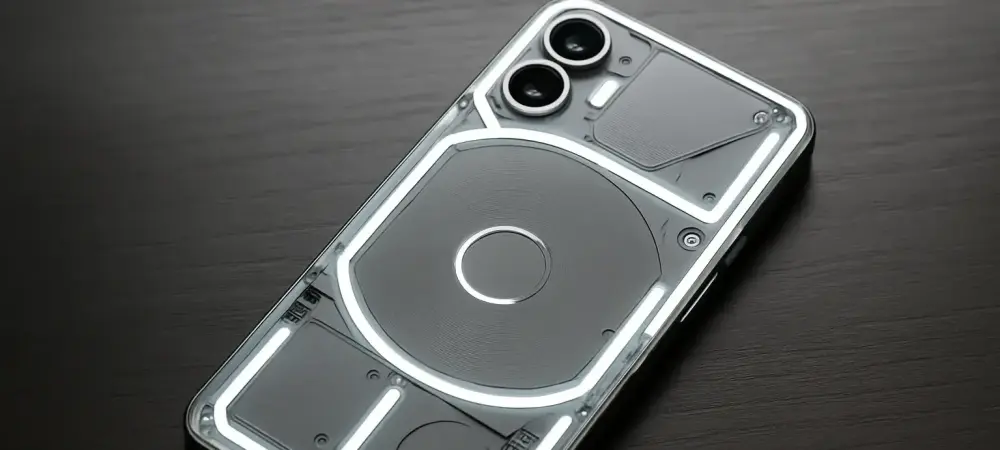
What happens when a smartphone brand, celebrated for its bold rebellion against industry norms, releases a device that splits opinions down the middle? In 2025, the tech world is abuzz with heated debates over a new flagship that promises innovation but stumbles under scrutiny. This device, with its striking yet polarizing design, has become the focal point of discussions ranging from boardrooms to online forums. The stage is set for a deep dive into whether this latest release is a catastrophic misstep or a diamond in the rough waiting to be appreciated.
The significance of this launch cannot be overstated. Nothing, a company that carved out a niche with its fresh approach to smartphone design and affordability, faces a critical test with this release. After a year-long gap in premium offerings, the expectations for a game-changing device were monumental. This smartphone isn’t just a product—it’s a litmus test for whether the brand can maintain its maverick status while competing with giants in a cutthroat market. The outcome could redefine perceptions of Nothing’s place in the industry.
Why Is Everyone Talking About This Device?
The tech community hasn’t stopped buzzing since the unveiling of this latest smartphone. Its unique aesthetic, a hallmark of the brand, has drawn both admiration and sharp criticism, with many questioning if it aligns with current flagship trends. Social media platforms are flooded with memes and hot takes, amplifying the divide between those intrigued by its unconventional appeal and others who see it as a design misfire.
Beyond appearances, the price point has sparked intense scrutiny. Positioned as a premium offering, the cost has raised eyebrows, especially when stacked against competitors delivering similar or superior specs for less. This has led to a broader conversation about value in the smartphone market, with consumers and analysts alike debating whether the brand’s signature flair justifies the expense.
The ripple effect of this release is evident in how it’s shaping discussions about innovation versus practicality. Tech enthusiasts are split on whether this phone represents a bold step forward or a risky gamble that misses the mark. This polarized reception underscores why the device remains a lightning rod for opinions across the globe.
The Stakes for Nothing: Balancing Innovation and Expectation
Nothing entered the market with a promise to disrupt, blending striking design with accessible pricing. With this latest release, the pressure to maintain that reputation while stepping into the flagship arena is immense. The brand’s hiatus from premium launches only heightened anticipation, as fans and critics awaited a device that could challenge established players.
The competitive landscape adds another layer of complexity. Rivals like OnePlus have set aggressive benchmarks with devices that offer top-tier performance at competitive prices. For Nothing, this launch is about proving it can deliver not just on style but also on substance, ensuring it doesn’t lose ground in a market that forgives few mistakes. Failure to meet these towering expectations could dent the brand’s credibility. If the device falls short, it risks being seen as a departure from Nothing’s core ethos of value-driven innovation. The stakes are clear: this smartphone must resonate with a discerning audience or face the consequences of a tarnished image.
Breaking Down the Specs: Hits and Misses
A closer look at the device reveals a mix of ambition and compromise. The design, while true to Nothing’s distinctive style, has faced unexpected backlash, with many arguing it feels out of step for a flagship in today’s market. After extensive development, the aesthetic choices seem to prioritize uniqueness over broad appeal, leaving some to question if form has overshadowed function.
Pricing further fuels the controversy, with the base model at $800 for 12/256GB and the higher tier at $900 for 16/512GB in the US, mirroring costs in the UK, EU, and India (₹80,000 and ₹90,000). Compared to alternatives like the OnePlus 13, which offers a similar base configuration at a lower rate in key regions (₹70,000 in India), the cost feels steep. This shift raises doubts about whether the brand has strayed from its affordability roots.
On the technical front, the phone sports a 6.67-inch 120Hz OLED display without advanced LTPO tech, a Snapdragon 8s Gen 4 chipset—a notch below the elite tier—and a triple 50MP camera setup with a periscope sensor that underwhelms compared to other models in its lineup. Despite a robust IP68 rating and a battery capacity of 5,150mAh (5,500mAh in India), the specs struggle to scream “premium” at this price point. These elements paint a picture of a device caught between flagship aspirations and mid-range realities.
What Are Experts and Users Saying?
Feedback from the tech sphere presents a fractured narrative. Early reviews praise the smooth software experience powered by Nothing OS 4.0, built on Android 16, and highlight the impressive commitment to 5 OS updates and 7 years of security patches—a standout in the Android ecosystem. Such longevity is a rare assurance that catches the eye of those prioritizing future-proofing.
Contrastingly, online communities express significant discontent over the price-to-performance balance. A widely shared social media post captured the sentiment with a blunt critique: “A $900 phone with $600 specs.” This frustration echoes across forums, where users lament that the hardware doesn’t match the cost, casting doubt on the device’s flagship credentials.
Yet, a segment of loyal supporters defends the brand’s vision, emphasizing personal experiences with past devices that grew in value over time. A notable reviewer remarked, “The design still turns heads, but the real question is if that’s enough to warrant the price tag.” These conflicting perspectives illustrate a tension between appreciation for Nothing’s bold identity and dissatisfaction with its latest execution.
How to Decide if This Smartphone Suits Your Needs
Navigating the decision to invest in this device requires a structured approach. Start by evaluating core priorities: if cutting-edge performance and top specs are essential, compare the Snapdragon 8s Gen 4 and camera capabilities against alternatives from brands like Samsung or OnePlus. These competitors might offer more power for a similar or lower investment.
Consider the aesthetic appeal as a deciding factor. For those captivated by Nothing’s quirky features, such as the dot matrix display on the back, the design could outweigh spec shortcomings. If personal style and brand identity hold significant weight, this phone might still carve out a place in your consideration despite public criticism.
Finally, scrutinize the budget alignment with a starting price of $800. Reflect on whether long-term software support justifies the expense, or if waiting for a potential price reduction makes more sense. If feasible, a hands-on experience at a retail store or insights from detailed unboxing videos can provide clarity on whether the user experience matches individual expectations. This methodical evaluation cuts through hype and criticism to focus on practical fit.
Looking back, the launch of this smartphone stirred a whirlwind of reactions, leaving an indelible mark on tech conversations. The blend of innovative intent and perceived shortcomings painted a complex picture for Nothing as it navigated uncharted flagship territory. Moving forward, potential buyers are encouraged to weigh the device’s unique strengths against its compromises, perhaps exploring in-store demos or community feedback for deeper insights. As the dust settles, the industry watches closely to see if Nothing can refine its approach in future releases, turning lessons from this polarizing moment into a stronger foundation for innovation.