

In a rapidly evolving smartphone landscape, the mid-range segment in India has become a battleground for innovation and affordability, with brands racing to deliver cutting-edge technology at accessible price points. Imagine a device that combines lightning-fast 5G connectivity, AI-powered features, and a sleek design without breaking the bank—this is the promise of the latest offering from a prominent China-based smartphone manufacturer. This FAQ article aims to address the most pressing questions surrounding this much-anticipated release, providing clarity on launch specifics, standout features, and expected market impact. Readers can expect detailed insights into design, performance, pricing, and more, ensuring a comprehensive understanding of what these devices bring to the table.
The scope of this content spans from official announcements to credible leaks, synthesizing information into actionable answers. By exploring key aspects such as display technology, camera capabilities, and battery life, the goal is to equip consumers with the knowledge needed to make informed decisions. Whether a tech enthusiast or a budget-conscious buyer, this guide offers a clear perspective on how these smartphones might fit into daily life.
Key Questions About the Realme 15 5G Series
When and Where Was the Realme 15 5G Series Launched?
The unveiling of this smartphone series took place in India on July 24 at 7 PM IST, marking a significant moment for tech fans across the country. While details on whether it was a full-scale event or a soft launch remain limited, there was potential for a live stream on various platforms, including the brand’s official YouTube channel and social media handles. This approach reflects a growing trend of digital unveilings, making such events accessible to a broader audience.
Post-launch, the devices were expected to be available for purchase through the brand’s official store in India and a leading e-commerce platform, Flipkart, which hosted a dedicated microsite for the series. This partnership highlights a strategic move to ensure widespread availability, catering to the diverse needs of Indian consumers. Accessibility through multiple channels is crucial in a market known for its high demand and competitive nature.
What Are the Expected Price Points for These Devices in India?
Pricing plays a pivotal role in the Indian smartphone arena, and early leaks provided a glimpse into the cost structure of these models. The premium variant, designed for upper-mid-range buyers, reportedly carried a box price of Rs. 39,999, with anticipated discounts bringing it down to around Rs. 35,000 during promotional sales. This positions it as a compelling option for those seeking advanced features without entering flagship territory.
On the other hand, the standard model targets budget-conscious users with a price range speculated between Rs. 18,000 and Rs. 20,000. Such affordability ensures that 5G technology and modern specs are within reach for a larger demographic. This dual-pricing strategy demonstrates a clear intent to capture both value-driven and premium-seeking segments of the market, balancing cost with innovation.
How Does the Design and Build Quality Stand Out?
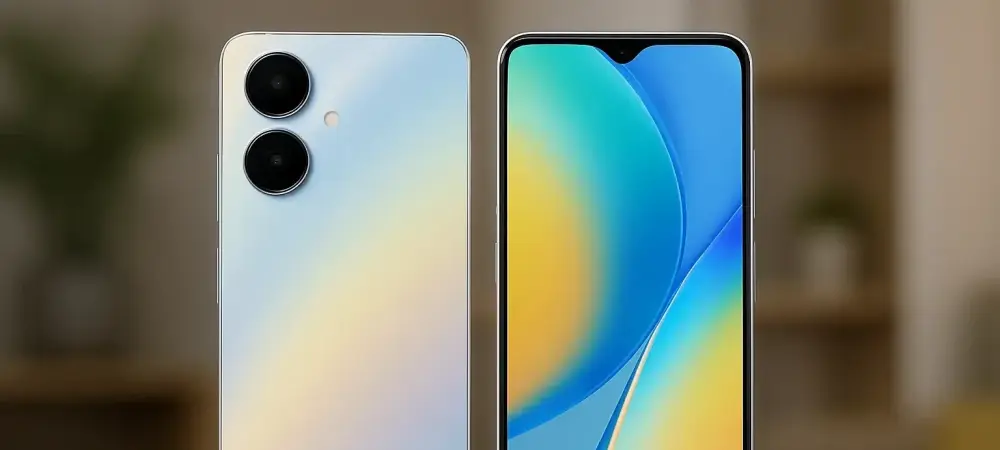
Aesthetics and durability define the physical appeal of these smartphones, with distinct color options adding a touch of personalization. The standard version is said to come in Flowing Silver, Silk Pink, and Velvet Green, while the Pro variant offers Flowing Silver, Silk Purple, and Velvet Green shades. These choices cater to varied style preferences, enhancing the visual allure of the devices.
Beyond looks, both models boast an impressively slim profile, with thicknesses of 7.66mm and 7.69mm for the standard and Pro versions, respectively, ensuring a comfortable grip. Teaser visuals also revealed a triple-camera layout on the rear, although the third lens on the base model might be purely decorative. With an IP69 rating for dust and water resistance, plus conveniently placed power and volume buttons, the build quality promises resilience in everyday use, setting a high standard in their price brackets.
What Display Features Enhance User Experience?
Visual excellence is a key highlight, as both devices are equipped with 6.8-inch AMOLED displays featuring a 4D curve+ ‘hyperglow’ design for a premium look and feel. A 144Hz refresh rate ensures smooth scrolling and animations, ideal for gaming and media consumption. Additionally, a 94% screen-to-body ratio offers an immersive experience, minimizing distractions from bezels.
Further elevating the display are specs like a peak brightness of 6,500 nits and a 2,500Hz touch sampling rate, ensuring visibility in harsh lighting and rapid responsiveness. Protected by Corning Gorilla Glass and integrated with in-display fingerprint sensors, these screens combine durability with security. Such features position the display as a standout element, appealing to users who prioritize visual and tactile quality in their smartphones.
What Performance and Software Capabilities Are Offered?
Powering these devices are chipsets tailored to different performance needs, ensuring versatility across user preferences. The Pro model features a 4nm Snapdragon 7 Gen 4 chipset, boasting an AnTuTu score over 1.1 million, which signals flagship-grade performance. Enhanced by GT Boost 3.0 technology, it supports stable 120fps gameplay in popular titles like Free Fire, alongside AI-driven gaming tools like Gaming Coach 2.0.
The standard variant, equipped with a MediaTek Dimensity 7300+ processor, delivers reliable performance for routine tasks and moderate gaming, though it lacks the raw power of its Pro counterpart. Both models run on Android 15-based Funtouch OS 15, providing a contemporary software experience with up-to-date security and features. This combination of hardware and software reflects a commitment to meeting diverse user demands, from casual to intensive usage.
How Do the Camera Systems Perform?
Photography capabilities are a focal point, with distinct setups for each model catering to varied needs. The base version features a 50-megapixel dual rear camera system, suitable for everyday snapshots and casual content creation. This setup ensures decent quality for users who prioritize simplicity over advanced imaging.
In contrast, the Pro model elevates the game with a triple rear camera array, anchored by a Sony IMX896 primary sensor with optical image stabilization for sharper, more stable images. Both devices support 4K 60fps video recording on front and rear cameras, while the Pro offers enhanced zoom and AI MagicGlow 2.0 for natural skin tones in photos. These advancements underscore a strong emphasis on AI-enhanced imaging, appealing to content creators and photography enthusiasts alike.
What Are the Battery and Charging Specifications?
Endurance is a critical factor for modern smartphone users, and both models address this with a substantial 7,000mAh battery capacity. Supported by 80W wired fast charging, this setup ensures quick top-ups for uninterrupted usage. Such specifications cater to heavy users who rely on their devices for extended periods.
Official claims suggest impressive battery life, with the standard model offering up to 83 hours of music playback on Spotify, while the Pro extends this to 113 hours on a single charge. This longevity, paired with rapid charging, positions these devices as reliable companions for demanding lifestyles, reducing downtime and enhancing convenience in daily routines.
Summary of Key Insights
This FAQ consolidates critical information about a recently launched smartphone series, addressing launch details, pricing, design, display, performance, camera, and battery features. Both the standard and Pro models cater to distinct market segments, with price points ranging from Rs. 18,000–20,000 for the base version to approximately Rs. 35,000 for the premium variant, ensuring broad appeal. Standout elements include sleek designs with IP69 ratings, vibrant AMOLED displays, robust chipsets, AI-driven camera enhancements, and massive 7,000mAh batteries with fast charging. The insights provided highlight a strategic blend of affordability and advanced technology, reflecting current trends like 5G connectivity and intelligent software integrations in the mid-range category. These devices stand as strong contenders, potentially reshaping expectations for value-driven smartphones. For those seeking deeper details, exploring official brand announcements or tech review platforms after the launch can offer real-world performance perspectives and user feedback.
Final Thoughts
Reflecting on the rollout of this smartphone series, it becomes evident that the fusion of innovative features and competitive pricing has captured significant attention in the Indian market. The launch event on July 24 set the stage for a new chapter in accessible technology, with both models offering unique strengths that address varied consumer needs. This release has not only met expectations but also pushed boundaries in design and functionality within their respective segments.
Looking ahead, potential buyers are encouraged to evaluate how these devices align with personal priorities, whether it’s gaming performance, photography, or battery endurance. Comparing real-world reviews and hands-on experiences post-launch can guide purchasing decisions effectively. As the smartphone landscape continues to evolve, staying informed about software updates and future iterations from this brand promises to keep users ahead of the curve in adopting cutting-edge mobile solutions.