

The proposal for a seventy thousand square meter data center marks a major milestone in the industrial evolution of the Charlton riverside area. This ambitious project aims to repurpose a former industrial site, shifting its focus from traditional manufacturing to high-tech digital infrastructure. Located in the Royal Borough of Greenwich, the facility represents a significant investment of approximately 1.4 billion dollars, highlighting the growing demand for cloud computing and data storage within the capital. The development is designed to address the critical shortage of high-capacity data processing centers in the United Kingdom, especially as businesses continue to integrate artificial intelligence and complex machine learning algorithms into their daily operations. Beyond its technical specifications, the project is expected to catalyze local economic growth by creating hundreds of specialized construction jobs and long-term technical roles for the surrounding community.
Sustainable Design Elements
The architectural approach for the Charlton data center prioritizes both functional efficiency and aesthetic alignment with the riverside landscape. Unlike the windowless, brutalist blocks of the past, this facility incorporates modern design elements that mitigate its visual impact while maximizing operational cooling efficiency. The plans detail a multi-story structure utilizing sustainable building materials and a modular layout that allows for future technological upgrades without extensive structural overhauls. Furthermore, the integration of advanced liquid cooling systems is set to reduce the overall energy consumption of the servers, addressing the environmental concerns often associated with large-scale digital hubs. This design philosophy ensures that the facility does not merely serve as a passive warehouse for hardware but as an active participant in the modern urban fabric. By utilizing waste heat recovery systems, the center could potentially supply excess thermal energy.
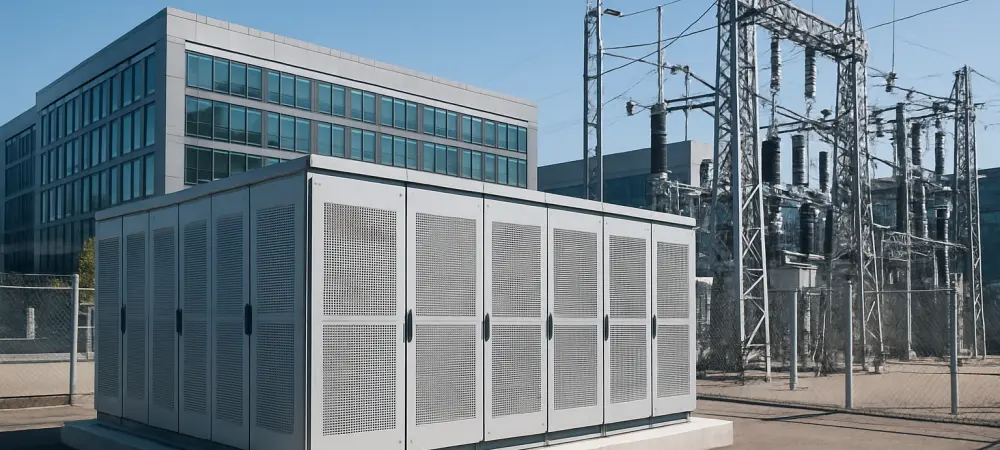
Building on this foundation of efficiency, the project must navigate a complex landscape of power procurement and grid stability. In 2026, the strain on the National Grid remains a primary concern for high-load industrial projects, prompting the developers to incorporate onsite renewable energy solutions and massive battery storage systems. These components serve a dual purpose: they provide the necessary redundancy for mission-critical data operations and act as a buffer for the local electrical network during peak demand periods. The proposal includes a dedicated substation designed to manage the high voltage requirements while minimizing interference with the electricity supply of neighboring residential zones. This proactive strategy reflects a broader trend in the tech industry where infrastructure providers must become quasi-utilities to guarantee uptime. As the planning process moves forward, the focus remains on ensuring that the facility’s power needs support a more resilient grid.
Economic Strategic Impact
The arrival of such a massive capital investment naturally brings a variety of socio-economic shifts to the Charlton Riverside neighborhood. While the physical footprint of the data center is substantial, the long-term benefits extend beyond the immediate perimeter of the site through significant improvements to local infrastructure and digital connectivity. Local government officials and stakeholders have emphasized the importance of a Section 106 agreement, which would require the developers to contribute to public realm improvements, including better pedestrian access to the Thames Path and enhanced local transport links. This symbiotic relationship between private investment and public benefit is crucial for maintaining community support in an era of rapid urban transformation. Moreover, the project serves as a magnet for secondary businesses, such as cybersecurity firms, who often prefer to be in close proximity to major hubs. This clustering effect could transform Greenwich.
Stakeholders successfully identified that the path forward required a balanced approach between rapid digital expansion and community-centric development. It was determined that the most effective strategy involved early and transparent communication with local planning authorities to ensure all environmental benchmarks were exceeded. Moving forward, developers prioritized the establishment of a local talent pipeline, partnering with nearby technical colleges to create apprenticeship programs specifically tailored to data center management. They also integrated a rigorous monitoring framework to evaluate the long-term impact of the facility’s heat export capabilities on neighboring housing estates. These actions provided a blueprint for how large-scale industrial projects should align with local sustainability goals. By securing a commitment to use one hundred percent renewable energy from the outset, the project team ensured the facility remained future-proof against any new regulations.