

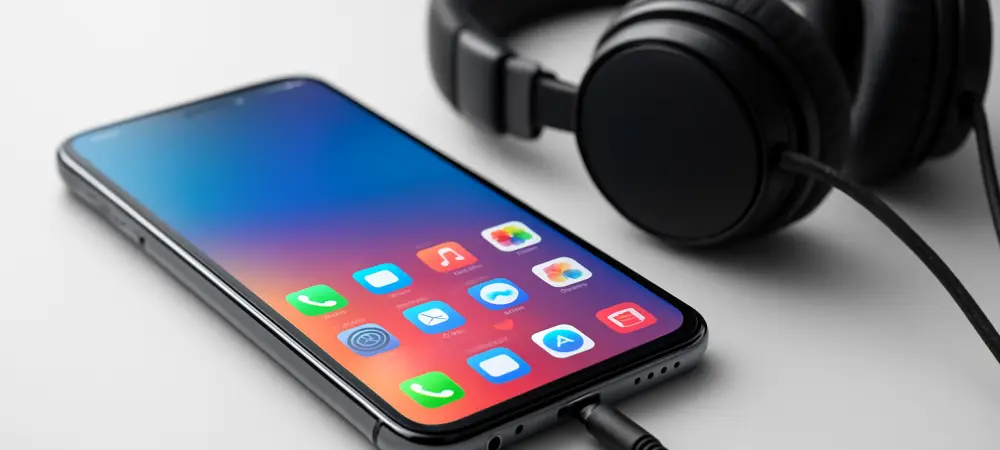
Xiaomi continues to include the 3.5 mm headphone jack in its C-series devices, catering to a demographic that still relies on wired audio accessories for their mobile experience. This design choice marks a significant commitment to user-centric utility at a time when many competitors have phased out the port to encourage the purchase of proprietary wireless alternatives. As the mobile market evolves from 2026 to 2028, the demand for high-speed connectivity at a lower price point has solidified, making 5G integration a standard expectation rather than a premium luxury. The Redmi series has long dominated this entry-level sector by balancing manufacturing costs with the essential hardware requirements of modern applications. By prioritizing network stability and basic functional reliability, this latest iteration positions itself as a practical tool for students and professionals in emerging digital economies. The device arrives as a response to the increasing complexity of mobile operating systems, ensuring that even at an accessible cost, users do not experience the fragmentation or lag often associated with budget-tier hardware.
Core Competencies: Hardware Efficiency and Visual Standards
The implementation of a high-efficiency 4nm processor ensures that the device maintains consistent performance during intensive multitasking or sustained high-speed data usage. Because 5G power consumption can be taxing on smaller batteries, the synergy between the refined chipset and a high-capacity power cell allows for reliable multi-day usage without the need for constant recharging. This hardware configuration is specifically optimized to handle the latest version of the operating system, which includes automated background resource management to prevent system degradation over time. Furthermore, the inclusion of expandable storage addresses the growing footprint of modern media files and productivity applications, providing a level of flexibility that remains a top priority for budget-conscious consumers. The modem performance has also been tuned to excel in areas with intermittent signal strength, ensuring that connectivity remains robust even in fringe network zones. Such technical attention to detail demonstrates a move away from flashy marketing gimmicks toward the delivery of a dependable daily driver for the global market. The evaluation of the Redmi 17C 5G demonstrated that the successful integration of high-speed networking and long-term battery health defined the standard for the budget segment. Instead of chasing excessive camera resolutions that the internal processing could not support, the device provided a balanced ecosystem where the display refresh rate and touch sensitivity improved the perceived speed of every interaction. Future purchasers identified that prioritizing hardware longevity and official software support from 2026 to 2030 offered a better return on investment than choosing devices with slightly higher peak specs but shorter lifecycles. Moving forward, consumers focused on repairability and the availability of affordable replacement components, a trend that this model supported through its modular internal design. The overall market reception suggested that the true value of a smartphone was found in its ability to perform essential tasks without interruption. Organizations looking to deploy mobile fleets found these attributes particularly attractive for maintaining high uptime across diverse operational environments. The lessons from this product launch guided the industry to value sustained utility over temporary aesthetic trends.