

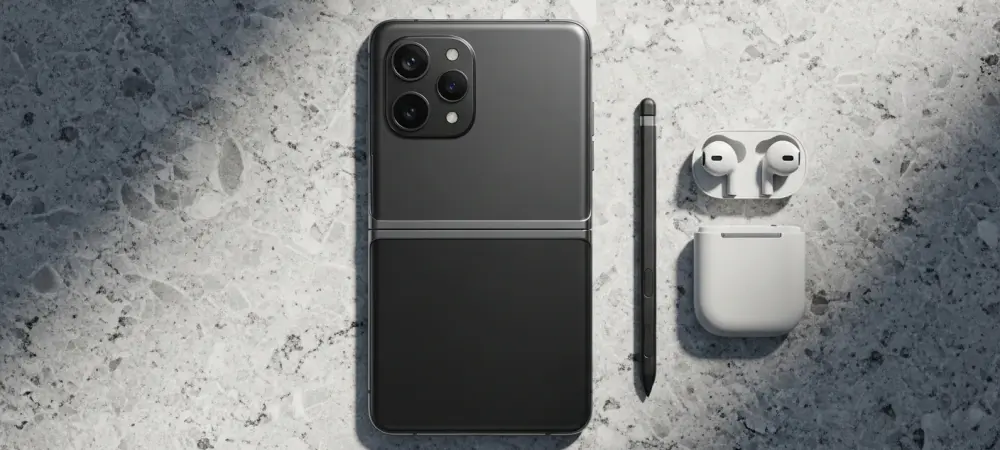
The rapid evolution of the foldable market has reached a critical juncture where the novelty of a flexible screen is no longer sufficient to capture the attention of a discerning and tech-savvy consumer base. As mobile productivity demands increase and the boundaries between tablets and smartphones continue to blur, manufacturers are pressured to deliver hardware that offers more than just a folding trick. Motorola has answered this challenge by stepping beyond its traditional clamshell roots to introduce a robust, book-style foldable that prioritizes high-end specifications and a massive canvas for multitasking. This shift signifies a broader industry movement toward devices that serve as primary computing hubs, capable of handling everything from professional-grade video editing to immersive gaming experiences without compromising on portability or aesthetic appeal.
Market Positioning and Economic Strategy
Regional Availability and the Pre-order Window
The initial rollout of this flagship device focuses heavily on the European and United Kingdom markets, establishing a strategic foothold in regions where premium foldable demand remains consistently high. Potential buyers have already begun navigating the pre-order phase, which is scheduled to conclude on May 3, immediately followed by the official retail launch and shipping commencement on May 6. This tightly managed release schedule is designed to generate early momentum and ensure that the supply chain can meet the anticipated surge in demand for such a high-spec machine. By prioritizing these specific markets first, the manufacturer is able to gauge consumer reception and optimize software localizations before potentially expanding into other global territories later in the year.
Beyond the logistics of the launch, the timing suggests a deliberate attempt to capture the mid-year upgrade cycle, positioning the device against established competitors in the large-format foldable space. The pre-order window serves as a vital indicator of brand loyalty and market appetite for a book-style form factor under the storied Razr brand name. Early adopters who secure their units before the May 3 deadline are essentially participating in the first wave of a new era for the company, moving away from the nostalgic vertical flip and toward a horizontal expansion that rivals small tablets. This transition is not merely about physical dimensions but represents a fundamental change in how the brand intends to compete in the ultra-premium segment throughout 2026 and into 2027.
Pricing Structures and Value-added Bundles
To lower the barrier to entry for what is arguably the most expensive category in mobile technology, a tiered pricing strategy has been implemented to reward those who commit during the pre-order period. In the United Kingdom, the handset is currently listed at a promotional price of GBP 1,579, which provides a significant reduction from the standard retail price of GBP 1,799 that will go into effect after the launch. Similarly, European customers are seeing a pre-order price of EUR 1,749.99, down from the eventual MSRP of EUR 1,999. These discounts are substantial, often exceeding the cost of a high-end traditional smartphone, which underscores the aggressive nature of this market entry and the desire to build an immediate user base.
The value proposition is further bolstered by the inclusion of a comprehensive accessory ecosystem designed to showcase the versatility of the large inner display. Each pre-order includes the Moto Pen Ultra, a precise stylus for creative work, the Moto Watch for health tracking, and the Moto Buds Loop earphones for high-fidelity audio. These peripherals are not merely decorative additions but are essential components that transform the smartphone into a full productivity suite right out of the box. Offering these items as a bundle effectively increases the perceived value of the purchase, making the steep entry price more palatable for professionals who would otherwise spend hundreds more on separate accessories to complete their mobile office setup.
Technical Architecture and Imaging Capabilities
Processing Power and Display Engineering
At the heart of the device lies the Snapdragon 8 Gen 5 chipset, a processing powerhouse that ensures the smartphone remains relevant and high-performing through 2026 and 2028. This silicon is paired with 16GB of RAM, providing the necessary headroom for complex multitasking across the massive 8.1-inch inner LTPO pOLED display. The screen technology allows for a dynamic refresh rate that preserves battery life while offering fluid visuals, a necessity for a panel of this size. Complementing the internal screen is a 6.6-inch external cover display, which is large enough to function as a standalone smartphone interface, allowing users to perform most tasks without ever needing to unfold the main chassis.
The software experience is driven by Android 16-based My UX, which has been optimized to handle the transitions between the two screens seamlessly. To support such energy-intensive hardware, the engineering team has integrated a 6,000mAh battery, a capacity rarely seen in foldable designs due to the physical constraints of the hinge mechanism. Charging the device is equally efficient, with support for 80W wired and 50W wireless charging, ensuring that down-time is minimized for power users. This combination of top-tier processing, massive memory, and advanced display tech positions the device as a legitimate alternative to a laptop for mobile professionals who require high performance in a pocketable form factor.
Professional Grade Camera Systems
Photography and videography are handled by a triple-lens array that rivals the best dedicated camera phones on the market. The primary sensor is a 50-megapixel Sony LYTIA, known for its exceptional low-light performance and color accuracy, ensuring that everyday shots look professional. This is supported by a 50-megapixel periscope telephoto lens for high-quality zoom capabilities and a 50-megapixel ultra-wide-angle camera for expansive landscapes or architectural photography. By utilizing high-resolution sensors across all three focal lengths, the system maintains consistency in detail and dynamic range, regardless of which lens is being used for a particular composition or creative project.
Self-portraits and video conferencing are managed by a dual-camera approach that accounts for both folded and unfolded states. A 32-megapixel sensor sits on the cover display for quick access, while a 20-megapixel camera is embedded in the internal screen for more immersive video calls or content creation. The integration of these optics with the Snapdragon 8 Gen 5’s image signal processor allows for advanced computational photography features, including improved AI-driven noise reduction and real-time HDR video processing. Consequently, the device serves not just as a productivity tool, but as a complete media production house that fits in the palm of a hand, bridging the gap between mobile convenience and professional quality.
The arrival of this new foldable hardware suggests that the future of mobile computing lies in the successful integration of expansive screen real estate with uncompromising internal specifications. For those looking to adopt this technology, the immediate next step involves evaluating whether the current ecosystem of apps and the included Moto Pen Ultra fit their specific workflow, particularly as software continues to evolve on the Android 16 platform. Prospective users should also consider the long-term durability of the hinge mechanism, which has been refined to withstand years of daily operation. As the market moves forward, the emphasis will likely shift toward even deeper software integration and the expansion of the accessory ecosystem to further justify the premium investment required for these sophisticated devices. From the perspective of late 2026, the foldable segment appeared more settled than ever, with this release serving as a benchmark for what a flagship should provide.