

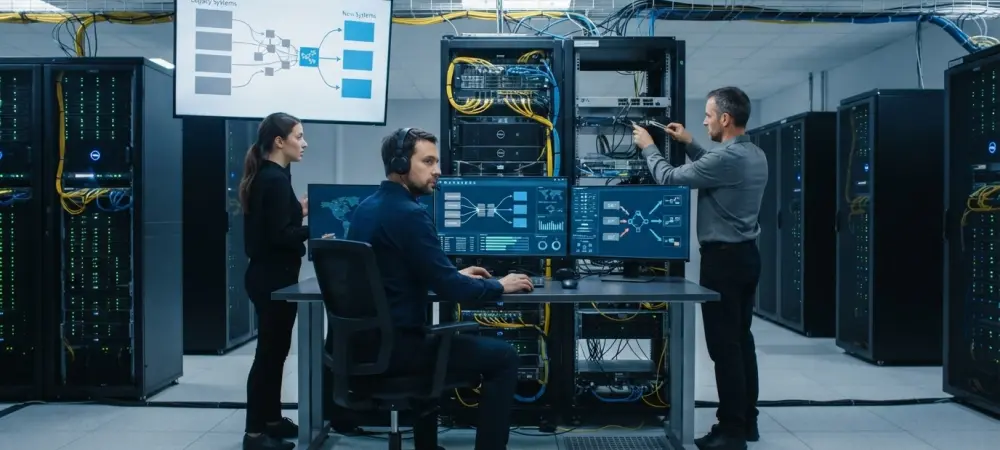
The decision to maintain an on-premises enterprise resource planning system has evolved from a matter of architectural preference into a high-stakes race against technical obsolescence and rising overhead costs. For decades, the enterprise resource planning (ERP) sector was dominated by localized servers and perpetual licenses that granted businesses a sense of absolute control over their data and infrastructure. However, as we navigate the complexities of 2026, the landscape has shifted fundamentally toward cloud-native ecosystems that prioritize agility over static ownership. This review examines the current state of Microsoft Dynamics ERP migrations, analyzing how the transition from legacy systems like NAV and GP to Business Central Online is redefining operational efficiency and corporate strategy.
The purpose of this evaluation is to provide a comprehensive understanding of the technological evolution currently occurring within the Microsoft ecosystem. We are witnessing the final chapters of the traditional “pay-once” software model as it is replaced by continuous, subscription-based innovation. This shift is not merely a change in billing but a complete reimagining of how business logic is deployed, maintained, and scaled. By exploring the key features, performance metrics, and technical hurdles of this migration, organizations can better position themselves to leverage the next generation of digital tools.
Understanding the Strategic Shift from Traditional On-Premises Infrastructure to Modern Cloud Computing Solutions
The fundamental transformation of Microsoft Dynamics ERP systems represents a move from rigid, hardware-dependent environments to fluid Software as a Service (SaaS) models. Historically, businesses invested heavily in on-premises deployments to ensure direct server control and avoid the perceived risks of shared internet infrastructure. Today, the “cloud-first” strategy championed by Microsoft has rendered the legacy approach increasingly unsustainable, as the gap in functionality between localized installations and Business Central Online continues to widen. This evolution marks a departure from the “set-it-and-forget-it” mentality of the past, replacing it with an ecosystem that demands continuous connectivity and frequent updates.
The shift toward the cloud is largely driven by the need for integrated security and reduced hardware dependency, which have become critical in an era of sophisticated cyber threats. Modern businesses often find that the administrative burden of maintaining physical servers, managing SQL backups, and ensuring disaster recovery protocols outweighs the benefits of localized control. In contrast, the SaaS model transfers these responsibilities to the platform provider, allowing internal IT teams to focus on strategic data analysis rather than routine maintenance. This transition signifies a broader market trend where software is viewed as a living service that adapts to the business environment in real time.
Moreover, the move to the cloud enables a level of cross-platform integration that was previously impossible. By hosting the ERP within the same environment as productivity suites like Microsoft 365 and communication tools like Teams, organizations can break down the silos that traditionally separated financial data from daily operations. This interconnectivity is the hallmark of the modern ERP, where a sales representative can view inventory levels or initiate an invoice directly from their inbox. The shift is, therefore, not just about where the data lives, but how effectively that data flows throughout the entire corporate structure.
Key Components and Licensing Models
Transition to Subscription-Based Licensing
The financial architecture of the Dynamics ecosystem has undergone a radical restructuring, most notably through the cessation of perpetual license sales. As of 2025, new customers are no longer able to purchase a one-time license for Business Central on-premises, signaling the definitive end of the “ownership” era for ERP software. This change forces a shift from capital expenditure (CapEx) to operating expenditure (OpEx), which alters the long-term cost-benefit analysis for finance departments. While some organizations initially resisted this change, the subscription model ensures that users are always running the latest version, eliminating the massive “version jump” costs that plagued businesses in previous decades.
The subscription model also introduces a level of scalability that perpetual licensing could never match, as companies can now adjust their user counts on a monthly or yearly basis, providing the flexibility to scale up during peak seasons or contract during lean periods. This elasticity is particularly valuable for growing mid-sized enterprises that require a professional-grade ERP but do not wish to commit to a massive upfront investment. By aligning the cost of the software with its actual usage, Microsoft has created a more predictable, albeit ongoing, financial commitment for its user base.
Comprehensive Overview Regarding the Standard Lifecycle Policies and Their Corresponding Support Deadlines
Every legacy Dynamics product now operates under a rigid, fixed support timeline, creating a ticking clock for organizations still relying on older versions. Specifically, Dynamics NAV 2017 is scheduled to end extended support on January 11, 2027, followed by NAV 2018 on January 11, 2028. These deadlines are not merely administrative markers; they represent the point at which security patches and technical support cease. For a modern enterprise, running core financial systems on unsupported software is an unacceptable risk that can lead to compliance failures and vulnerability to cyberattacks. The support window for Dynamics GP is closing, with a full sunset planned for December 31, 2029, which necessitates a proactive migration since waiting until the final months of support often leads to rushed implementations and a lack of proper staff training. These deadlines serve as a catalyst for modernization, forcing businesses to evaluate their current technical debt and make strategic decisions about their future infrastructure. The rigid nature of these timelines reflects a broader industry shift away from “legacy-forever” support toward a model that prioritizes the security and performance of modern codebases.
The Dynamics 365 Business Central Online Platform
Business Central Online stands as the definitive destination for the majority of migrating users, offering a fully managed environment that removes the burden of infrastructure management. In this ecosystem, Microsoft assumes responsibility for the underlying server architecture, automated backups, and global disaster recovery. This setup provides a level of uptime and reliability that most midsize businesses could never achieve with their own internal resources. The platform’s ability to automatically apply minor updates ensures that the system remains secure and functional without the need for manual intervention from IT staff.
The online platform also serves as the gateway to advanced features that are simply unavailable to on-premises users. Because the environment is hosted in the cloud, it can leverage the massive computing power of Azure for complex tasks like real-time data visualization and deep-learning analysis. This capability transforms the ERP from a passive record-keeping tool into an active participant in business strategy. The managed nature of the environment means that even small organizations can benefit from enterprise-grade infrastructure, democratizing access to high-end business technology.
Latest Developments and Market Shifts
The ERP market is currently navigating a period of significant volatility characterized by rising maintenance costs and the rapid integration of artificial intelligence. Microsoft recently implemented a 20% increase in Enhancement Plan rates and has adjusted license pricing to reflect the growing complexity of maintaining legacy systems. These price hikes are designed to incentivize the move toward the cloud, making the financial argument for staying on-premises harder to justify. Additionally, the introduction of more frequent license key refreshes for “Dual Use Rights” indicates a shift toward more stringent compliance monitoring, requiring IT departments to be more diligent in their software administration. The integration of Copilot and other AI-driven agents represents the most significant technological leap in the ERP space in recent memory. These tools are being developed exclusively for cloud environments, creating a massive functionality gap between Business Central Online and its on-premises counterparts. Copilot can automate tedious tasks such as bank reconciliations, suggest responses to customer inquiries based on historical data, and even predict potential stock shortages before they occur. For businesses that remain on legacy platforms, the lack of access to these efficiency-boosting tools is becoming a significant competitive disadvantage.
Furthermore, the emergence of autonomous ERP functions is beginning to reshape the role of the modern accountant and operations manager. Instead of spending hours on data entry and verification, these professionals are shifting their focus toward interpreting the insights generated by the system. This trend toward automation is not just about saving time; it is about improving the accuracy of business data. By reducing the human element in routine transactions, companies can significantly decrease the rate of errors and ensure that their financial reports are based on clean, real-time information.
Real-World Applications and Industry Use Cases
Modernization in the Manufacturing Sector
In the manufacturing world, the migration to Business Central is often driven by the need for better visibility across complex supply chains. Manufacturers are increasingly moving away from disconnected spreadsheets and toward a unified cloud system that can track raw materials from the moment they are ordered until the finished product is shipped. This level of traceability is particularly vital for companies dealing with strict regulatory requirements or defense contracts. In these scenarios, many manufacturers utilize hosted cloud environments to maintain a balance between the accessibility of the cloud and the strict data residency controls required by their clients.
Integrating the ERP system directly with shop floor machinery and IoT devices offers another significant benefit for the manufacturing sector. By feeding real-time production data into Business Central, managers can identify bottlenecks and adjust schedules on the fly. This integration allows for a more responsive manufacturing process that can adapt to sudden changes in demand or material availability. The migration to a modern platform provides the technological foundation necessary for the “Smart Factory” initiatives that are becoming standard across the industry.
Security Enhancements in Retail and Distribution
For the retail and distribution sectors, the primary motivator for migration is often the need to protect against the rising threat of ransomware. Legacy on-premises systems are frequently targeted by cybercriminals because they often run on aging hardware with outdated security patches. Migrating to a cloud-managed ERP like Business Central Online virtually eliminates the risk of local server encryption, as data is stored in Microsoft’s highly secure, redundant data centers. This shift provides peace of mind for business owners who can no longer afford the downtime associated with a major security breach.
In addition to security, the distribution sector benefits from the automation of manual workflows such as Electronic Data Interchange (EDI) and payroll. For multi-entity businesses, a cloud-based ERP enables the centralized management of all locations, providing a single source of truth for inventory and financial data. Real-world implementations have shown that automating these processes can lead to significant cost savings and allow staff to focus on higher-value activities. Transitioning to the cloud enables a more agile distribution network that can respond more quickly to market trends and customer needs.
Technical Challenges and Implementation Hurdles
Refactoring Legacy Customizations
A significant challenge during the migration process is the incompatibility of customizations found in older systems like Dynamics NAV. In legacy environments, developers often modified the software’s base code to fit specific business needs, a practice that is not supported in the modern “Extension” model of Business Central. This means that every custom feature must be rebuilt from the ground up using the AL programming language. While this process is time-consuming and requires extensive testing, it ultimately results in a more stable system where customizations are isolated from the core code, allowing for smoother future updates.
This refactoring process provides a unique opportunity for businesses to re-evaluate their current workflows, especially since many customizations in older systems were created to solve problems now addressed by standard Business Central features. By conducting a thorough audit of their existing code, companies can often retire obsolete modifications and adopt out-of-the-box functionality. This reduction in custom code leads to a cleaner system that is easier to maintain and less likely to break during version upgrades. However, the initial transition requires a high level of technical expertise and a well-defined development roadmap.
Data Integrity and Migration Complexity
Moving decades of data from an aging system like Dynamics GP is rarely a simple task; it is better described as a “reimplementation” than a simple upgrade. Over years of use, many legacy systems accumulate cluttered charts of accounts, duplicate customer records, and inconsistent naming conventions. The migration process requires a rigorous data cleanup phase to ensure that only accurate, relevant information is moved to the new platform. This is often the most labor-intensive part of the project, as it involves manual review and cross-departmental collaboration to define new data standards.
Compatibility with third-party add-ons is another technical hurdle that must be cleared, especially as many businesses rely on external software for specialized functions like complex payroll, tax reporting, or warehouse management. Ensuring that these add-ons have a compatible version for Business Central—and that they can integrate seamlessly with the new cloud architecture—is essential for a successful go-live. If a specific add-on is not available in the cloud, the business must find an alternative solution or build a custom extension, adding another layer of complexity to the overall migration project.
Future Outlook and Technological Trajectory
The future of the Microsoft Dynamics ecosystem is undeniably rooted in a deep synergy between cloud infrastructure and artificial intelligence. As we look toward the early 2030s, we can expect a complete phasing out of traditional on-premises support across the entire product line, with all engineering resources focused on autonomous ERP capabilities. These future systems will likely function as self-correcting entities capable of performing predictive accounting and automated inventory adjustments without human intervention. The goal is to transition the human operator from the role of a data entry clerk to that of a strategic overseer who manages exceptions rather than routine tasks.
Breakthroughs in AI will also lead to more sophisticated business intelligence tools that provide real-time insights across global operations. We are moving toward a reality where an ERP can simulate the financial impact of various market scenarios, allowing executives to make data-driven decisions with unprecedented speed. This technological trajectory suggests that the ERP will eventually become a proactive partner in business growth rather than a reactive database. The long-term impact of this evolution will be a more agile corporate environment where organizations can pivot their strategies based on accurate, AI-generated forecasts.
Final Assessment of ERP Migration
Summary of Review Takeaways
The transition from legacy Microsoft Dynamics environments to modern cloud platforms proved to be a strategic necessity rather than a mere technological upgrade. The review indicated that while the initial migration required significant planning and a rigorous cleanup of historical data, the long-term rewards justified the effort. Organizations that successfully moved to the cloud realized immediate gains in security posture and a marked reduction in localized IT maintenance costs. The shift facilitated a more collaborative working environment, allowing real-time data access across various departments and geographical locations.
Overall Technology Assessment
Microsoft Dynamics has successfully transitioned into a premier SaaS product that defines the standards for modern enterprise management. The platform’s ability to integrate cutting-edge AI tools through Copilot provides a clear competitive advantage that legacy systems cannot replicate. The review concluded that Business Central Online represents the most viable path for organizations seeking operational stability and technological relevance. While the migration process was demanding, the resulting ecosystem offers the scalability and innovation required to thrive in a rapidly changing global market.
Frequently Asked Questions
Does it cost more to stay on-premises?Generally, staying on-premises results in higher total costs over time when accounting for 20% enhancement fees, rising license prices, and the hidden costs of maintaining physical servers and security protocols. This localized model often exceeds the predictable monthly expense of a cloud subscription.
Do NAV customizations carry over to Business Central?
Legacy NAV customizations do not carry over automatically because modern Business Central utilizes an extension-based architecture, requiring them to be refactored or replaced by standard platform features developed to meet those needs natively. This shift ensures that the core system remains clean and easily updatable while legacy modifications are integrated through modern development standards.
What are Dual Use Rights?Dual Use Rights allowed cloud subscribers to maintain an on-premises installation for specific regulatory or operational needs. However, this required a consistent cloud subscription and the periodic manual refresh of license keys to maintain compliance with Microsoft’s updated security standards.