

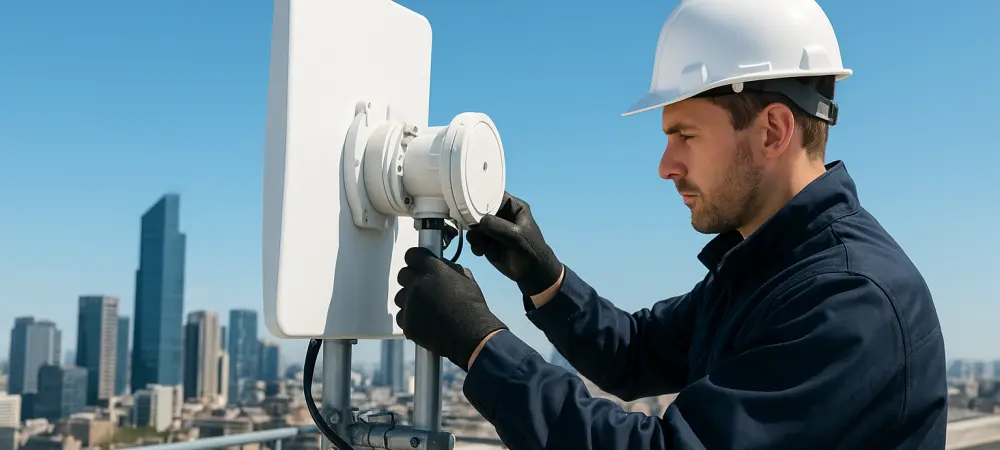
Industry experts at Network X 2026 will observe how MediaTek uses machine learning to dynamically manage network traffic and prioritize latency-sensitive cloud gaming services. This demonstration in Vienna marks a critical milestone for the telecommunications industry as MediaTek and its subsidiary, Airoha Technology, unveil a comprehensive 5G-Advanced Fixed Wireless Access (FWA) platform. As global connectivity demands shift from basic browsing to data-intensive professional and recreational activities, this next-generation solution addresses the inherent limitations of traditional wireless internet. By integrating the MediaTek T930 modem with the Filogic 8800 chipset, the company has effectively bridged the gap between cellular mobility and the stability of fiber-optic performance. This architectural synergy introduces Wi-Fi 8 capabilities alongside sophisticated Edge AI intelligence, creating a robust ecosystem that allows wireless deployment to serve as a genuine alternative for high-capacity home and office networking.
Driving Performance: Specialized Hardware and Intelligent Management
Hardware Innovation. Part 1: Range and Signal Stability
To address the traditional weaknesses of wireless broadband, the platform utilizes High Power User Equipment (HPUE) PC1 33 dBm technology, which provides a notable 5 dB increase in transmission power compared to previous iterations. This hardware-level enhancement ensures that the connection remains stable even at the fringes of network coverage, effectively expanding the functional radius of existing cell sites. By strengthening the return path, MediaTek enables users in suburban or rural environments to maintain high-quality video conferencing and real-time data uploads without the dropouts that often plague standard wireless routers. This focus on transmission power transforms the fixed wireless gateway into a resilient hub capable of handling the rigorous demands of modern remote professional work environments. Furthermore, this increased power output allows signals to penetrate obstacles more effectively, ensuring that indoor users receive a robust and reliable connection regardless of their proximity to an external tower.
Hardware Innovation. Part 2: Throughput and Aggregation
Beyond transmission power, the platform leverages an advanced 8Rx 3CC configuration, utilizing eight receivers and three component carriers to maximize the efficiency of available spectrum. This sophisticated antenna arrangement allows the system to aggregate multiple bands of frequency, resulting in a 40% increase in downlink throughput and a staggering 70% boost in uplink speeds. Such performance gains are essential for contemporary digital lifestyles that rely heavily on cloud-based content creation and large-scale data backups. The ability to maintain high speeds across multiple devices within a single household is a direct result of this increased channel utilization. Furthermore, the 8Rx technology provides superior signal reception in dense urban environments where physical obstructions like buildings and glass frequently degrade signal quality. This level of technical refinement ensures that the T930 platform delivers a consistent and predictable user experience, moving wireless broadband closer to the reliability benchmarks set by fiber optics.
Edge Intelligence. Part 1: Traffic Management and Latency
A significant evolution in this platform is the transition of intelligence from centralized network cores to the customer premise equipment through the integration of Edge AI. A central pillar of this strategy is the implementation of AI-AQM, or Active Queue Management, which employs machine learning algorithms to identify and prioritize data packets based on their specific requirements. In many standard networking environments, bufferbloat—the buildup of data in queues—leads to frustrating lag during sensitive tasks. By managing these queues in real-time, the system ensures that high-priority traffic, such as real-time cloud gaming or medical telepresence data, bypasses the congestion caused by less urgent tasks like large file downloads. MediaTek reports that this intelligent traffic handling can reduce network latency by as much as ten times, effectively eliminating the delays that have historically hindered the adoption of fixed wireless for competitive gaming and other mission-critical applications.
Edge Intelligence. Part 2: Industry Impact and Future Outlook
Ultimately, the unveiling of this platform represented a fundamental shift in the feasibility of wireless as a primary broadband source for global markets. Decision-makers in the telecommunications sector analyzed the throughput and latency metrics to determine how best to integrate these advancements into their broader service portfolios. To capitalize on these breakthroughs, operators initiated pilot programs that specifically targeted high-latency environments to demonstrate the superiority of AI-managed traffic. Looking ahead, the focus remained on the deployment of standardized 5G-Advanced hardware to ensure that network upgrades supported the rising tide of AI-driven home applications. Enterprises and residential users alike stood to gain from the increased flexibility and performance offered by the T930 modem and Filogic 8800 series. By embracing these hardware-led innovations, the industry moved toward a paradigm where high-speed access was no longer a location-dependent luxury but a ubiquitous utility for everyone.