

Introduction
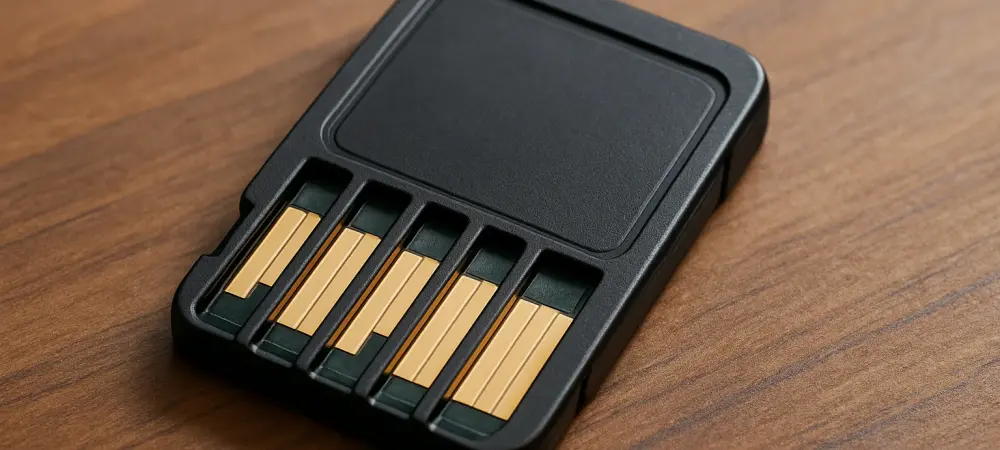
In an era where digital game libraries are expanding at an unprecedented rate, Nintendo Switch 2 owners often find themselves grappling with limited storage space, forced to delete beloved titles to make room for new ones, highlighting the critical need for high-capacity, reliable storage solutions tailored for gaming consoles. The focus of this FAQ is to explore the Lexar Play Pro 1TB microSD Express Card, a standout accessory designed to address these storage woes with its impressive capacity and performance. The objective here is to answer key questions about this product, providing clarity on its features, usability, and value for gamers. Readers can expect detailed insights into how this card performs with the Nintendo Switch 2, comparisons with competitors, and guidance on whether it meets specific gaming needs.
The scope of this discussion encompasses a range of topics, from the card’s storage capacity and speed metrics to its real-world application in gaming scenarios. Each section aims to break down complex aspects into digestible information, ensuring that both casual players and dedicated enthusiasts can make informed decisions. By addressing common queries, the goal is to equip users with a comprehensive understanding of this storage solution’s strengths and limitations.
Key Questions or Topics
What Makes the Lexar Play Pro 1TB microSD Card Unique for Nintendo Switch 2?
The Lexar Play Pro 1TB microSD Express Card stands out primarily due to its massive storage capacity, a rare feature in the current market for gaming console accessories. With digital games often requiring significant space, especially for graphically intensive titles, the ability to store up to 1TB of data means users can maintain extensive libraries without constant management. This capacity addresses a pressing issue for many Nintendo Switch 2 owners who struggle with the console’s internal storage limits.
Beyond sheer size, the card is engineered for compatibility with the Nintendo Switch 2, ensuring seamless integration and operation. Its design caters to gamers who prioritize having numerous titles readily accessible, reducing the hassle of reinstalling or swapping cards. While other brands offer high-capacity options, few match this level of storage in a single card, making it a pioneering choice for those with expansive collections.
How Does the Performance of the Lexar Play Pro Compare to Expectations?
Performance is a critical factor for any storage solution, and the Lexar Play Pro microSD card delivers a read speed of 831.97MB/s, which is close to the manufacturer’s claim of 900MB/s. This speed ensures quick access to game data, translating to faster load times during play. However, its write speed of 310.03MB/s falls short of the promised 600MB/s, which might concern users who frequently transfer large files or update games.
Despite the discrepancy in write speed, real-world testing across a variety of games—from high-demand releases to simpler remasters—reveals no noticeable impact on gaming performance. Load times remain consistent, and issues like frame drops are absent, suggesting that for typical gaming use, the slower write speed is not a significant drawback. This balance of reliable read performance with adequate practical usability positions the card as a solid option for most users.
How Does the Pricing of the Lexar Play Pro Stack Up Against Competitors?
Pricing is often a deciding factor for gamers considering storage upgrades, and the Lexar Play Pro 1TB model is priced at $199.99 / £199.99, reflecting its premium capacity. Lower capacities, such as the 256GB variant, start at $58.98 / £59.45 / AU$119.34, offering budget-friendly alternatives for those with lesser storage needs. This tiered pricing structure allows flexibility depending on individual requirements and financial considerations.
When compared to competitors like the SanDisk and PNY microSD Express Cards, the Lexar card’s cost for the 1TB option is competitive, given the unique storage size it provides. While SanDisk offers superior speeds at similar price points for smaller capacities, it lacks a 1TB variant. PNY, on the other hand, boasts the highest tested write speeds but also falls short in high-capacity offerings, making Lexar’s pricing reasonable for those prioritizing space over speed.
What Are the Limitations of the Lexar Play Pro microSD Card?
While the Lexar Play Pro excels in capacity and read speed, its write speed of 310.03MB/s is a notable limitation, especially when compared to competitors like SanDisk (674.1MB/s) and PNY (713.42MB/s). This slower performance could affect tasks that involve frequent data writing, such as installing large game updates or transferring files. For users who engage in such activities regularly, this aspect might be a point of concern.
However, the impact of this limitation is minimal in everyday gaming scenarios. Extensive testing over months with the Nintendo Switch 2 showed no disruptions during gameplay, indicating that the write speed shortfall is largely irrelevant for most players. Gamers whose primary focus is playing rather than frequent data management will likely find this drawback inconsequential.
Is the Lexar Play Pro a Worthwhile Investment for Nintendo Switch 2 Owners?
Determining the value of the Lexar Play Pro hinges on individual gaming habits and storage needs. For users with vast digital libraries, the 1TB capacity offers unparalleled convenience, eliminating the need to juggle multiple cards or delete games to free up space. This long-term solution can save time and frustration, making the premium price tag a justified investment for dedicated gamers.
For those with smaller collections or who prioritize speed over capacity, alternatives like SanDisk or PNY might be more suitable due to their superior write performance. Yet, the consistent real-world reliability of the Lexar card, coupled with its groundbreaking storage size, makes it a compelling choice for many. Thorough testing using standardized benchmarks and daily usage confirms its dependability, reinforcing its appeal to a wide audience of Nintendo Switch 2 enthusiasts.
Summary or Recap
The Lexar Play Pro 1TB microSD Express Card emerges as a leading storage solution for Nintendo Switch 2 users, primarily due to its exceptional capacity that caters to expansive digital game collections. Key insights include its solid read speed of 831.97MB/s, which supports quick load times, and a write speed of 310.03MB/s that, while lower than competitors, does not hinder typical gaming experiences. Pricing across various capacities remains competitive, with the 1TB model at $199.99 / £199.99 representing significant value for long-term storage needs.
The main takeaway is that this card suits gamers who value space over raw speed, offering seamless performance in real-world scenarios despite minor limitations. Comparisons with SanDisk and PNY highlight Lexar’s niche in high-capacity offerings, addressing a market gap for large storage solutions. For deeper exploration, readers might consider looking into detailed benchmark comparisons or user reviews of competing microSD cards to align choices with specific preferences.
Conclusion or Final Thoughts
Reflecting on the detailed evaluation that was conducted, the Lexar Play Pro 1TB microSD Express Card proved to be a game-changer for Nintendo Switch 2 users burdened by storage constraints. The journey through its features revealed a reliable accessory that met the demands of extensive digital libraries with ease. As gamers move forward, considering this card as a primary storage upgrade could significantly enhance the gaming experience by eliminating frequent data management hassles.
Looking ahead, it’s advisable to weigh personal gaming patterns against the card’s strengths in capacity versus its moderate write speed. Exploring hybrid solutions, such as combining smaller, faster cards for active games with this high-capacity option for archival purposes, might offer a balanced approach. Ultimately, the decision to invest in this product should align with long-term storage goals, ensuring that the Nintendo Switch 2 remains a hub of uninterrupted entertainment.