

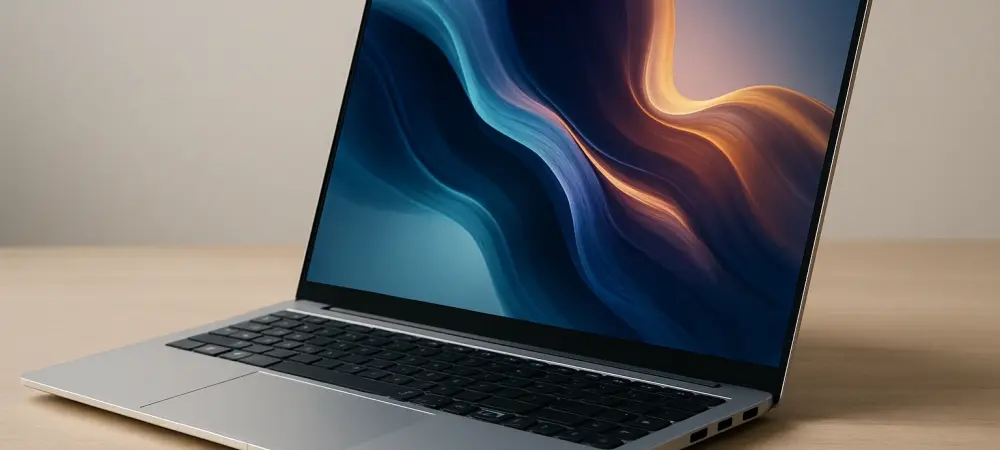
In a world where technology evolves at breakneck speed, laptops have become more than mere tools—they’re extensions of human capability, powering everything from global business to personal creativity. Picture a device so advanced that it anticipates needs before they arise, balancing raw power with seamless efficiency. Samsung’s recently leaked Galaxy Book6 Pro, spotted on Geekbench with Intel’s groundbreaking Core Ultra Series 3 “Panther Lake” CPU, has sparked intense curiosity. Could this be the laptop that redefines portable computing? This sneak peek into cutting-edge innovation demands a closer look at what’s under the hood and what it means for users everywhere.
A Glimpse into Cutting-Edge Innovation
The tech community is abuzz with speculation following the leak of Samsung’s Galaxy Book6 Pro, a device poised to challenge conventional laptop standards. Discovered on Geekbench, this laptop showcases Intel’s next-generation Core Ultra Series 3 “Panther Lake” processors, hinting at a leap forward in performance and efficiency. Such advancements suggest a future where portable devices handle complex tasks with ease, potentially setting a new benchmark for the industry.
Beyond raw specs, this development reflects a broader shift in how technology integrates into daily life. As laptops evolve to meet demands for remote work and digital creation, early glimpses like this fuel anticipation about what’s next. The Galaxy Book6 Pro could signal a turning point, promising a blend of power and portability that might reshape user expectations.
Why Next-Gen Laptops Are Critical Today
The importance of advanced laptops cannot be overstated in an era where digital dependency shapes professional and personal spheres. With remote work becoming the norm and creative industries pushing for higher performance, devices must deliver speed, endurance, and adaptability. Samsung’s adoption of Intel’s latest Panther Lake technology in the Galaxy Book6 Pro taps directly into these pressing needs, aiming to address modern challenges head-on.
Moreover, the industry is witnessing a race to incorporate features like AI-driven functionalities and enhanced graphics into portable formats. This trend underscores a pivotal moment where laptops are no longer just hardware but vital components of productivity ecosystems. The stakes are high, and innovations like these could redefine how efficiency and capability coexist in compact machines.
Diving Deep into Specs and Power
At the heart of the Galaxy Book6 Pro lies the Intel Core Ultra 5 338H CPU, a processor with a base clock of 1.90 GHz and a boost potential reaching up to 4.70 GHz. Its hybrid architecture—featuring 4 Performance Cores, 4 Efficiency Cores, and 4 Low-Power Efficiency Cores—paired with the Arc B370 iGPU on Xe3 graphics, positions this laptop as a versatile choice for mainstream users. Such a configuration hints at a device capable of tackling intensive workloads while maintaining energy efficiency.
Looking at the broader Panther Lake lineup, Intel offers a spectrum of options from the high-end Core Ultra X9 388H to the more accessible Core Ultra 5 322, with thermal design power ranging from 25W to 80W under turbo. This diversity indicates a strategic approach to cater to varied user segments, from power-hungry professionals to budget-conscious consumers. Samsung’s integration of this tech suggests a commitment to delivering a competitive edge across multiple markets.
Yet, the full picture remains incomplete. While early AI benchmarks using the ONNX framework provide some insight into CPU performance, data on GPU and Neural Processing Unit capabilities is still lacking. This gap reminds observers that these leaks offer only a partial view, with real-world testing needed to confirm the laptop’s true potential.
Industry Buzz and Performance Predictions
Voices from the tech sphere are already weighing in on the implications of Intel’s Panther Lake processors. A prominent analyst remarked, “Should Samsung execute flawless integration, the Galaxy Book6 Pro might emerge as a top contender for mobile creators and business users alike.” Such optimism is fueled by the leaked specs, which suggest a notable upgrade over previous generations, even if exact comparisons to predecessors like Arrow Lake remain speculative.
Adding to the credibility of this buzz, initial SKU releases are reportedly slated for this quarter, with a comprehensive reveal expected at CES 2026. While the clock speeds and core setups point to impressive raw power, caution is advised since these figures are unofficial. Industry experts stress that hands-on evaluations will be crucial to validate whether the performance matches the hype surrounding these early disclosures.
The numbers, though preliminary, paint a promising picture. If the Galaxy Book6 Pro can deliver on efficiency as much as on speed, it could carve out a significant niche in a crowded market. Tech enthusiasts and professionals alike are keenly watching for updates that might confirm these early impressions.
Evaluating Fit for Diverse Needs
With excitement building, determining whether the Galaxy Book6 Pro suits specific requirements involves a strategic approach, even pre-launch. For content creators and multitaskers, the hybrid core structure offers a compelling promise of handling demanding applications without draining power reserves. This balance could prove invaluable for those juggling complex projects on the go.
Gamers and graphic designers, meanwhile, should monitor forthcoming GPU benchmarks for the Arc B370 iGPU to assess its graphical prowess. Additionally, professionals prioritizing mobility might find the efficiency cores and projected TDP ranges suggestive of extended battery life—a critical factor for long work sessions away from outlets. Staying updated through official channels and post-launch reviews will be essential for a well-rounded perspective.
As CES 2026 approaches, keeping an eye on detailed coverage and firsthand accounts will provide the clearest insights. Early leaks spark interest, but only comprehensive testing will reveal if this laptop lives up to its potential as a transformative device. Aligning expectations with confirmed data ensures informed decisions when the time comes to upgrade.
Reflecting on a Milestone in Tech Evolution
Looking back, the leak of Samsung’s Galaxy Book6 Pro with Intel’s Core Ultra Series 3 “Panther Lake” CPU marked a significant moment in the journey of laptop innovation. It highlighted a pivotal push toward blending unmatched performance with energy efficiency, setting a high bar for what portable computing could achieve. The detailed specifications and varied processor lineup underscored a tailored approach to meeting diverse user demands.
As discussions unfolded, the anticipation built around how these advancements would translate into real-world impact. Moving forward, the focus shifted to actionable steps—tracking official releases, engaging with hands-on reviews, and preparing for CES 2026 revelations became essential for anyone invested in cutting-edge tech. This chapter in laptop development encouraged a proactive stance, urging users to stay informed and ready to adapt to the next wave of digital tools.