

The modern smartphone industry often forces consumers to choose between sleek aesthetics and functional longevity, yet the arrival of the Realme P4R 5G suggests that the era of compromise might finally be nearing its end. By integrating hardware specifications typically reserved for rugged industrial tablets into a consumer-grade handset, the device redefines what users should expect from a mid-range platform. It arrives at a time when digital dependency is at an all-time high, demanding hardware that can keep pace with relentless connectivity needs.
Evolution of the High-Endurance Mid-Range Smartphone
This transition toward high-endurance hardware reflects a broader shift in consumer priorities where reliability is becoming as valuable as raw speed. Historically, mid-range devices sacrificed battery density to maintain slim profiles, but the P4R 5G breaks this cycle by prioritizing a massive energy reservoir.
The relevance of such a shift in the broader technological landscape cannot be overstated as users move away from frequent upgrade cycles. By focusing on longevity and physical resilience, the manufacturer addresses the growing demand for sustainable mobile tools that survive beyond the typical two-year window.
Technical Architecture and Core Performance Metrics
The architecture of the device is designed to handle high-demand tasks without the thermal degradation often seen in budget-conscious models. This is achieved through a synergy between efficient chipsets and sprawling cooling surfaces that maintain equilibrium during heavy use.
Such a system ensures that performance remains consistent regardless of the environment or the duration of the task. By moving beyond simple specifications, the engineering team has created a balanced ecosystem where power consumption and heat dissipation work in harmony.
Unprecedented Battery Capacity and Charging Efficiency
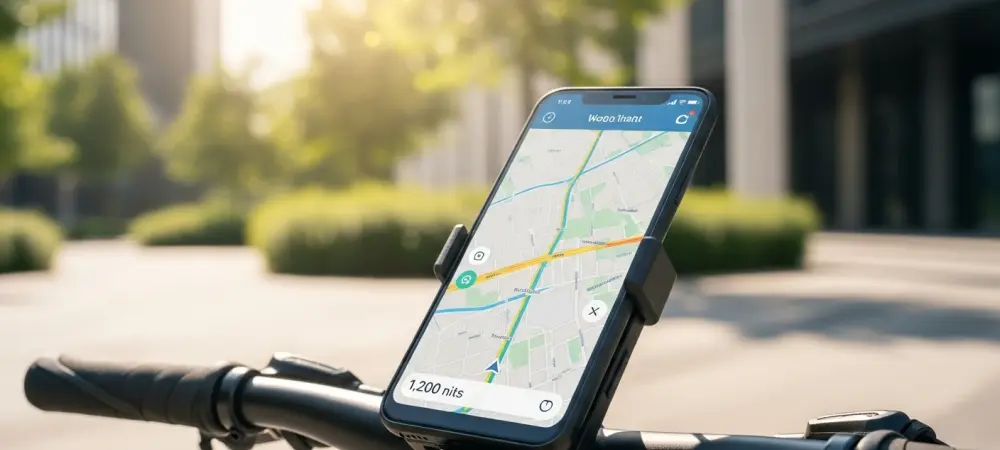
The centerpiece of this hardware is the 8,000mAh battery, which provides an unprecedented three days of life on a single charge. This capacity is specifically optimized for high-drain activities, including over 21 hours of video streaming and nearly 27 hours of continuous navigation.
To manage this massive reservoir, the system utilizes 45W wired fast charging via a USB Type-C port. While the charging speed is modest compared to some flagship models, the sheer volume of energy stored provides a level of autonomy that makes daily charging unnecessary.
Processing Power and Advanced Thermal Management
Under the hood, the MediaTek Dimensity 6300 chipset offers a robust balance of computational power and energy efficiency. The octa-core configuration is capable of handling modern multitasking and gaming with ease, ensuring a smooth user experience across various applications. To sustain this performance, the handset features a 5,300 sq mm vapor chamber designed for superior heat dissipation. This thermal management system prevents the internal hardware from overheating, protecting the longevity of the battery and the stability of the operating system.
Display Innovation and Rugged Durability Standards
Visual performance is headlined by a flat display that supports a 144Hz refresh rate, ensuring fluid motion and responsiveness. With a peak brightness of 1,200 nits, the screen remains perfectly legible even under direct sunlight, which is critical for outdoor professional use. Durability is further enhanced by an IP65 rating and MIL-STD 810H certification, signifying a rugged build quality. These standards mean the device can withstand dust, water, and significant physical impact, making it far more resilient than its predecessors.
Software Integration and Personalized AI Aesthetics
Running on Realme UI 7.0 based on Android 16, the software offers a modern interface with significant room for personalization. The inclusion of up to 14GB of Dynamic RAM allows for seamless switching between intensive applications without any noticeable lag.
A unique hardware feature is the AI Pulse Light on the rear panel, which offers nine colors and five speed settings for notifications. This creates a functional aesthetic that allows users to identify alerts at a glance without having to turn the screen on.
Emerging Trends in Mobile Hardware Integration
The industry is currently moving toward a standard of “essential durability,” where military-grade protection is no longer a niche feature. As mobile devices become more integral to professional field work, the integration of high-capacity batteries and rugged frames is becoming a market necessity.
Furthermore, there is a clear trend in utilizing AI to manage hardware aesthetics and energy consumption more effectively. This shift suggests that future devices will prioritize functional intelligence over cosmetic additions, focusing on how hardware and software can better serve the user’s environment.
Real-World Applications and Consumer Use Cases
For professionals in the gig economy or outdoor sectors, this device acts as a reliable companion that removes the anxiety of power depletion. Travelers and remote workers can utilize the long-duration GPS and streaming capabilities without hunting for wall outlets.
Additionally, the device finds a home in the industrial sector where ruggedness and battery life are paramount. The ability to survive drops and water exposure while maintaining a high-performance display makes it suitable for on-site management and technical field operations.
Technical Constraints and Market Obstacles
Despite the impressive battery, the 8.8mm thickness and increased weight may pose a challenge for users who prefer ultra-slim designs. The trade-off for such extreme endurance is a physically larger footprint that might not appeal to all consumer segments.
Moreover, the 45W charging speed, while functional, takes a considerable amount of time to fill an 8,000mAh cell. This creates a bottleneck for users who require rapid top-ups, highlighting the ongoing struggle to balance high capacity with charging velocity.
Future Outlook for High-Endurance Mobile Technology
The success of high-endurance models will likely drive further innovation in solid-state battery technology and more compact cooling solutions. As the demand for longer-lasting devices grows, manufacturers will be forced to find even more efficient ways to package massive power reservoirs. Long-term, we can expect to see these durability standards become the baseline for all mid-range smartphones. This will eventually lead to a market where the distinction between rugged and mainstream devices disappears, resulting in more robust electronics for the average consumer.
Final Assessment and Review Summary
The review process confirmed that the device successfully addressed the most critical pain points of modern mobile users. It proved that a mid-range platform could offer exceptional autonomy and durability without sacrificing the software features or visual quality expected in 2026. The analysis indicated that the manufacturer made a strategic choice to prioritize utility, which paid off in real-world performance metrics. Future development should now focus on increasing charging speeds to match these larger capacities, ensuring that the next generation of hardware remains as efficient in recovery as it is in endurance.