

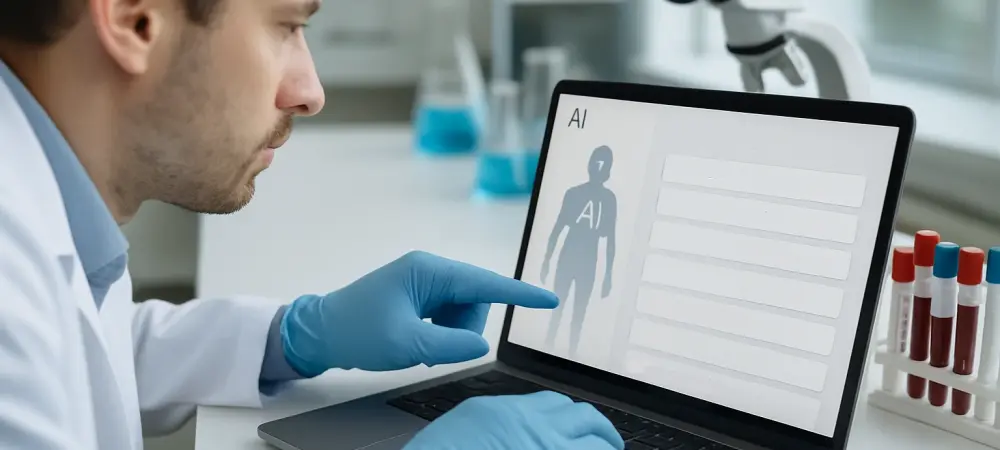
I’m thrilled to sit down with Dominic Jainy, a seasoned IT professional with deep expertise in artificial intelligence, machine learning, and blockchain. With his keen interest in applying cutting-edge technologies across industries, Dominic offers a unique perspective on how AI is transforming healthcare, particularly in diagnostics. Today, we’ll dive into the innovative world of AI-driven tools like Labcorp’s Test Finder, exploring how they streamline complex processes for clinicians, the technology behind them, and the broader implications for the future of medical diagnostics. Our conversation touches on the challenges of test selection, the role of AI in saving time, data privacy concerns, and the evolving landscape of healthcare technology.
How do you see AI tools like Test Finder addressing the real-world challenges doctors face when selecting lab tests?
AI tools like Test Finder are game-changers for clinicians who often juggle heavy workloads and tight schedules. One of the biggest hurdles in lab test selection is the sheer volume of options—thousands of tests with subtle differences in purpose or application. Traditionally, doctors might spend significant time flipping through catalogs or navigating complex systems to find the right one. AI steps in by using natural language processing to interpret a doctor’s query, whether typed or spoken, and quickly matches it to relevant tests based on symptoms or suspected conditions. This isn’t just about speed; it’s about reducing cognitive load so doctors can focus on patient care rather than administrative tasks.
Can you walk us through the technology behind a tool like Test Finder and how it delivers results so efficiently?
Absolutely. Tools like Test Finder are typically built on robust cloud platforms and leverage large language models trained specifically for clinical terminology and diagnostic catalogs. When a doctor inputs a query, the AI analyzes the context—say, a patient’s symptoms or a suspected condition—and cross-references it with vast datasets of tests and diagnostic pathways. It then ranks and presents the most relevant options, complete with details like test purpose and specimen requirements. The efficiency comes from cutting out manual navigation; what used to take dozens of clicks or screen changes now happens in seconds through intelligent algorithms.
Time-saving is a big promise of AI in healthcare. How does a tool like this actually impact a clinician’s daily workflow?
The impact is profound, especially for busy primary care doctors who might see dozens of patients daily. Imagine a scenario where a physician needs to order a rare test for an endocrine disorder. Without AI, they could spend 15 to 20 minutes searching through menus or consulting references. A tool like Test Finder slashes that down to seconds by instantly suggesting the right test. That saved time adds up across a day, allowing doctors to spend more face-to-face time with patients, discuss results in detail, or even squeeze in an extra appointment. It’s not just efficiency—it’s better care.
With AI handling sensitive medical decisions, how can companies ensure accuracy and reliability in these tools?
Accuracy is critical in healthcare, and it starts with the quality of the training data. AI models for tools like Test Finder are often trained on extensive clinical datasets, including test catalogs and diagnostic guidelines, to ensure they understand medical nuances. Beyond that, there’s usually a layered approach to reliability—think continuous model updates, feedback loops from users, and built-in checks to flag unusual or potentially incorrect suggestions. The goal is to support, not replace, human judgment, so doctors always have the final say. It’s about creating a partnership between AI and clinician expertise.
Privacy is a huge concern in healthcare. What measures do you think are essential to protect patient data in AI-driven tools like this?
Privacy is non-negotiable in this space. Tools like Test Finder need to operate on secure infrastructures that comply with strict regulations like HIPAA. That means end-to-end encryption of data, both at rest and in transit, so no sensitive information is exposed. Additionally, access controls are vital—only authorized personnel should interact with the system. Companies also need to minimize data retention and anonymize inputs wherever possible. Regular security audits and transparency about data handling practices help build trust with users, ensuring patient information stays safe.
AI is popping up across the healthcare industry. How do you think tools like Test Finder fit into the broader trend of technology adoption in diagnostics?
We’re in the midst of a technological revolution in healthcare, and tools like Test Finder are just the tip of the iceberg. AI is being integrated everywhere—from radiology, where it spots anomalies in scans, to administrative tasks like billing and scheduling. In diagnostics, the focus is on precision and speed, helping clinicians make informed decisions faster. What’s exciting is how these tools connect dots across specialties, creating a more cohesive system. I believe we’re moving toward a future where AI doesn’t just assist with isolated tasks but integrates into a holistic healthcare ecosystem, improving outcomes at every step.
What kind of feedback do you think clinicians might provide about using an AI tool for test selection, and how could that shape future development?
Clinicians are likely to appreciate the time savings and ease of use that come with AI tools, especially in high-pressure environments. They might highlight how intuitive the interface is or how accurate the test suggestions are for complex cases. On the flip side, some might point out areas for improvement, like handling edge cases or integrating with other electronic health record systems. This feedback is invaluable—it drives iterative updates, ensuring the tool evolves to meet real-world needs. Listening to end users is how these technologies stay relevant and effective.
Looking ahead, what is your forecast for the role of AI in diagnostics over the next decade?
I’m incredibly optimistic about AI’s trajectory in diagnostics. Over the next ten years, I expect AI to become even more predictive, not just reactive—think tools that anticipate a patient’s testing needs based on subtle patterns in their health data before a doctor even asks. We’ll likely see deeper integration with wearable devices and real-time monitoring, creating a continuous feedback loop for personalized care. At the same time, ethical considerations around bias and transparency will take center stage to ensure trust. Ultimately, AI has the potential to make diagnostics not just faster, but smarter, fundamentally reshaping how we approach healthcare.