

Setting the Stage for AI Coding Innovation
Imagine a world where artificial intelligence doesn’t just assist developers but operates as a full-fledged digital employee, tackling complex coding tasks with precision and scale. This vision is closer than ever, yet a significant barrier—the production gap—has stymied enterprise adoption of AI coding agents. San Francisco-based startup Runloop has stepped into this arena with a $7 million seed funding round, aiming to revolutionize the market through its cloud-based development environments, known as devboxes. This market analysis explores the transformative potential of Runloop’s approach, delving into current trends, data-driven insights, and future projections for AI coding infrastructure. The importance of this analysis lies in understanding whether Runloop can bridge the gap between experimental AI tools and practical, large-scale deployment, reshaping how enterprises integrate AI into software development.
Deep Dive into AI Coding Market Dynamics
Current Landscape and Growth Trajectory
The AI coding tools market is experiencing a surge, driven by the increasing demand for efficient software development solutions across industries. Market projections estimate growth from $4.86 billion in 2025 to over $25 billion by 2030, reflecting a compound annual growth rate (CAGR) of 27.1%. Tools like GitHub Copilot have already gained traction among millions of developers, showcasing the appetite for AI-driven coding assistance. However, the challenge of scaling these tools for enterprise environments persists, as many organizations grapple with security, integration, and operational complexities. Runloop’s entry into this space focuses on infrastructure rather than direct competition with existing tools, positioning it as a critical enabler for broader adoption.
The Production Gap: A Market Bottleneck
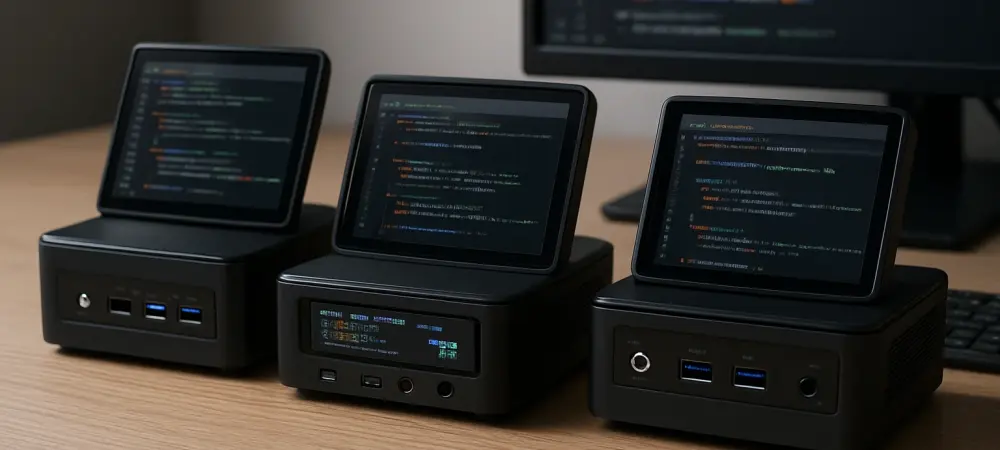
A pivotal issue in the AI coding market is the production gap—the disconnect between small-scale AI tool experimentation and robust enterprise deployment. Many AI coding agents excel in controlled settings but falter when tasked with multi-step, real-world projects due to inadequate environments. This gap has slowed the integration of AI into large organizations, often requiring costly custom infrastructure. Runloop’s devboxes aim to address this by providing isolated, fully equipped cloud-based spaces where AI agents can operate securely. Early adopters have utilized thousands of devboxes for tasks like code coverage analysis, highlighting the potential to streamline complex processes and reduce deployment barriers.
Competitive Positioning and Niche Opportunities
In a competitive landscape dominated by giants like Microsoft and Google, Runloop carves out a unique niche by focusing on the infrastructure layer. Rather than building AI coding models, the company supports their deployment, akin to how Databricks facilitates machine learning operations. This complementary role allows Runloop to collaborate with existing tools while addressing a critical need for scalable environments. With over 200% customer growth and a 100% revenue increase since initiating billing earlier this year, Runloop demonstrates strong market fit, particularly among Series A startups and model laboratories. This traction suggests a growing recognition of infrastructure as a linchpin for AI coding success.
Emerging Trends and Future Projections
Shift Toward Domain-Specific AI Solutions
One notable trend shaping the AI coding market is the move toward domain-specific agents that excel in targeted areas such as security testing or database optimization. Unlike generic models, these specialized tools promise higher accuracy and efficiency, catering to niche enterprise needs. Runloop’s devboxes are well-suited to support this shift, offering customizable environments tailored to specific tasks. As this trend accelerates, the demand for flexible infrastructure is expected to rise, potentially positioning Runloop as a key player in enabling next-generation AI applications across varied domains.
Economic and Investment Momentum
The economic landscape for AI coding is bolstered by significant investor interest, as evidenced by Runloop’s $7 million seed round led by The General Partnership and Blank Ventures. This funding reflects confidence in infrastructure solutions that unlock enterprise-scale AI deployment. Broader market investments in AI technologies continue to fuel innovation, with economic forecasts predicting sustained growth through 2030. However, challenges such as regulatory uncertainties around data privacy and AI accountability could impact market expansion. Companies like Runloop must navigate these dynamics to maintain momentum and capitalize on the influx of capital driving sector advancements.
Technological Advancements and Scalability
Technological progress in large language models (LLMs) and cloud computing is set to enhance the capabilities of platforms like devboxes. Improved LLMs will enable AI agents to handle increasingly complex coding tasks, while advancements in cloud scalability ensure that infrastructure can support thousands of simultaneous operations. Runloop’s focus on ephemeral, secure environments aligns with these developments, promising greater efficiency for enterprises. Yet, integrating such technologies into diverse workflows remains a hurdle, requiring continuous innovation to ensure seamless adoption across different organizational structures.
Reflecting on Market Insights and Strategic Pathways
Looking back, this analysis underscored how Runloop’s $7 million funding marked a significant milestone in addressing the production gap that hindered AI coding adoption in enterprise settings. The exploration of market trends revealed a robust growth trajectory, with projections pointing to a multi-billion-dollar industry by the end of the decade. Runloop’s devboxes emerged as a vital solution, offering secure, scalable environments that empowered AI agents to perform at scale. For enterprises, the strategic takeaway was clear: investing in infrastructure platforms could accelerate AI integration and drive innovation. Developers and business leaders were encouraged to explore partnerships with solutions like Runloop to streamline workflows, while prioritizing training and alignment with organizational goals became essential next steps. As the market continued to evolve, staying agile and adapting to regulatory and technological shifts proved critical for sustained success in leveraging AI coding potential.