

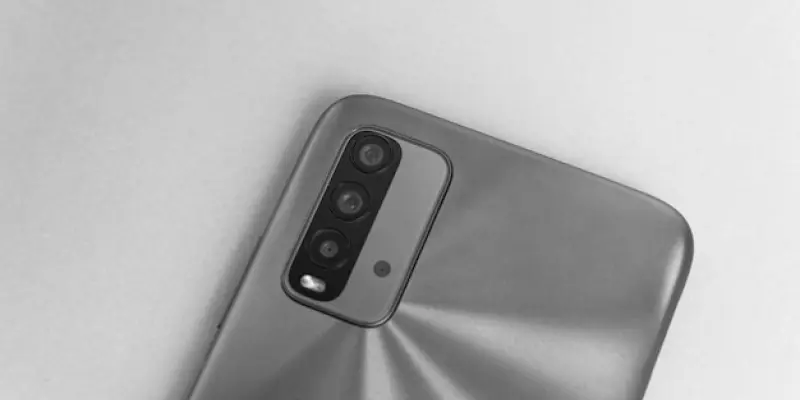
It increasingly seems that smartphone manufacturers are tapping into groundbreaking technologies to elevate mobile photography. Vivo is generating a stir with the anticipated release of the T4 Ultra, which is poised to transform how users perceive their smartphone cameras. This upcoming model is rumored to boast a 50MP lens, complete with Optical Image Stabilization (OIS), phase detection autofocus (PDAF), and an impressive 3X optical zoom. Although it lacks the well-regarded Zeiss branding that has often accompanied Vivo cameras, these upgraded features suggest a potential leap in photographic quality, especially in capturing detailed and stabilized shots. Beyond its camera capabilities, the T4 Ultra is suspected to be a rebranded version of the Vivo S20 Pro, outfitted with the Dimensity 9300+ chipset. This specification hints at a device tailored to meet demands within the Indian market with its likely 1.5K display.
Technological Advancements
Vivo’s strategy with the T4 Ultra aligns with a broader industry movement where manufacturers rebrand existing successful models to tap into specific market needs. By offering premium features traditionally reserved for high-end devices in more budget-friendly options, Vivo aims to bridge the gap between price and performance. These efforts are punctuated by the utilization of advanced imaging technology, leveraging the power of OIS to minimize motion blur and shake, thereby enhancing image sharpness. PDAF technology further ensures quick and precise focus adjustments, even in challenging lighting conditions, providing users with a seamless photographic experience. Vivo aims to place these technologies into a sleek, rebranded package. This approach not only appeals to a more diverse consumer base but also exemplifies a growing trend among tech companies to innovate within constrained budgets.
Market Implications and Trends
Currently, Vivo sells its existing T4 model through retail giants like Amazon, at a price point that undercuts many of its high-end competitors. The strategy of repurposing successful models indicates an adaptation to emerging market trends, wherein manufacturers prioritize local market preferences while integrating cutting-edge technology. The upcoming T4 Ultra is set to retail through platforms such as Flipkart and a variety of physical stores, though specific release dates remain undisclosed. This approach provides flexibility in sales distribution, catering both to online shoppers and customers who prefer in-store experiences. As such, the model’s success may hold significant implications for other smartphone manufacturers looking to leverage rebranding and advanced technology to cater to segmented markets. If successful, Vivo’s ambition could likely spur increased competition, pushing other companies to explore similarly innovative strategies.