

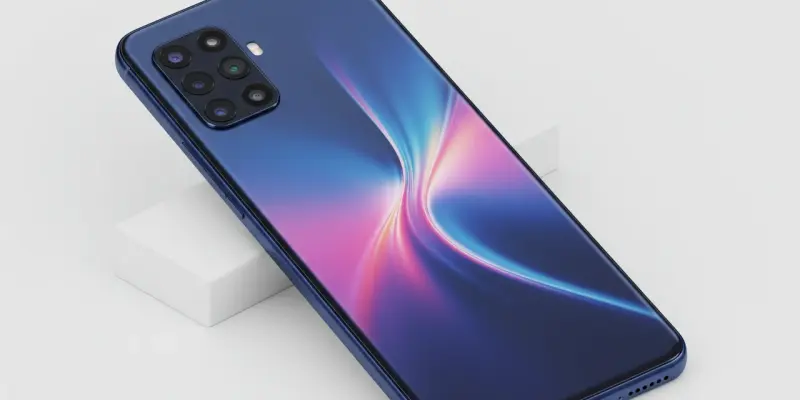
The upcoming release of the Realme 15 5G in India is generating considerable buzz, as it promises to set new benchmarks for mid-range smartphones. Positioned as the successor to the Realme 14 5G, this new model brings with it a host of anticipated upgrades. Though Realme has yet to officially announce the details, leaks suggest that the phone will offer three color variants: Flowing Silver, Silk Pink, and Velvet Green. The device is expected to come in several RAM and storage configurations, namely 8GB + 128GB, 8GB + 256GB, 12GB + 256GB, and 12GB + 512GB, with prices ranging between Rs. 18,000 and Rs. 20,000. These configurations aim to cater to a diverse audience, balancing affordability with high-performance specifications. Central to its appeal is the anticipated use of the Snapdragon 7 Gen 4 chipset, which promises to deliver exceptional processing power and efficiency.
Envisioning Advanced Features
Among the standout features of the Realme 15 5G is its rumored large 6,300 mAh battery, which would support 45W fast charging, ensuring prolonged usage without frequent charging interruptions. This significant upgrade could appeal to users who prioritize battery longevity, especially for gaming and media consumption. Complementing the battery is the expected inclusion of a flat AMOLED display with a 120Hz refresh rate, providing smooth visuals and an immersive viewing experience. This feature seems aimed at attracting a more tech-savvy audience who values high-quality displays in their smartphones. Adding further value, the device is expected to house a comprehensive camera setup, with a 50-megapixel main lens equipped with Optical Image Stabilization (OIS) and a 32-megapixel front-facing camera. These enhancements indicate Realme’s strategic pivot to include more sophisticated photography capabilities, meeting increasing consumer demand for high-quality camera phones in this segment.
The Path to Redefining Standards
The overarching trend in Realme’s approach appears to be an incremental yet significant upgrading of features while maintaining competitive pricing, relying on its established reputation to attract consumers seeking value without sacrificing performance. By maintaining a focus on affordability and cutting-edge specifications, Realme aims to set a new standard in the mid-range market segment. This strategy echoes similar advancements observed in previous models like the Realme 14 5G, building on its success and refining features that met consumer approval. If the leaks hold true, the Realme 15 5G is poised to offer enhanced performance and versatility, potentially disrupting the market dynamics by pushing competitors to follow suit. As the release date approaches, consumers and industry observers alike will be keen to see if this new model lives up to the anticipated standards, possibly altering consumer expectations for what constitutes a mid-range smartphone in terms of performance, design, and value.