

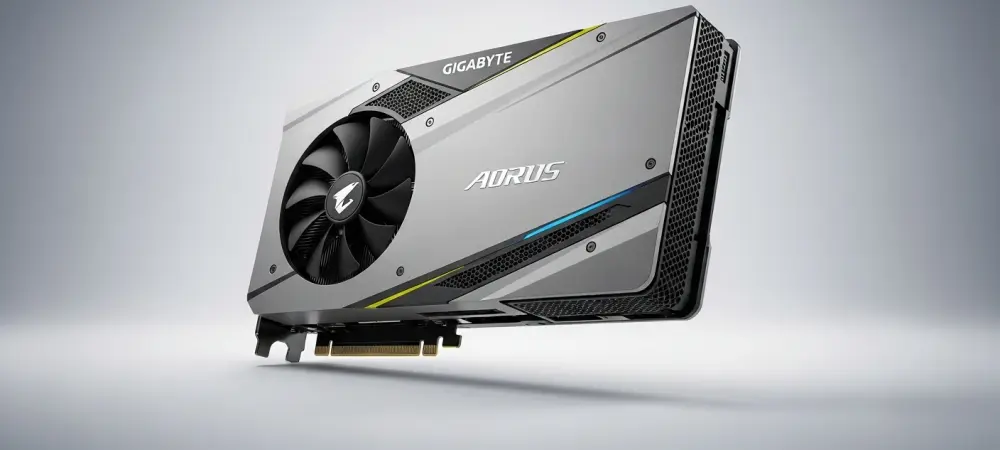
The perennial challenge for portable computing enthusiasts has always been the compromise between mobility and high-end graphical performance, a gap that external GPUs have long sought to bridge with varying degrees of success. GIGABYTE is now poised to redefine this landscape with the introduction of its AORUS RTX 5060 Ti AI BOX, an external GPU (eGPU) solution making its debut in the Indian market. Following its official launch in December 2025, the device represents the company’s first foray into the eGPU space for the region, promising to deliver a substantial graphical uplift to a new generation of laptops and mini PCs. This move signals a significant development for users who demand desktop-class power without being tethered to a traditional tower. The AI BOX is engineered not just as an accessory but as a transformative component capable of unlocking the full gaming and creative potential of modern, compact hardware. Its impending arrival has generated considerable anticipation, as it aims to solve the bottleneck issues that have historically plagued external graphics solutions.
Harnessing Next-Generation Power and Connectivity
At the core of the AORUS RTX 5060 Ti AI BOX lies a formidable desktop-grade GeForce RTX 5060 Ti GPU, a powerhouse equipped with a generous 16 GB of cutting-edge GDDR7 VRAM. This substantial memory allocation is specifically designed to handle the demanding textures and complex environments of modern, memory-intensive games, ensuring a smooth and immersive experience at high resolutions. However, the true innovation is its integration of the latest Thunderbolt 5 interface. This connection standard provides a staggering 80 Gbps of bandwidth, effectively doubling the throughput of its Thunderbolt 4 predecessor and significantly outperforming even the specialized OCuLink interface. This leap in data transfer speed is crucial, as it dramatically narrows the performance gap that typically exists between an eGPU and a natively installed PCIe 4.0 x8 graphics card. To support this high-level performance, the unit includes a dedicated 330W external power adapter, providing ample, stable power for the GPU to operate at its peak potential right out of the box and eliminating complex setup procedures.
A Niche Solution with Premium Potential
The strategic positioning of the AORUS AI BOX defines it as a specialized upgrade rather than a mainstream replacement for a budget desktop PC. It is engineered specifically for a discerning audience of laptop and mini PC owners whose devices are already equipped with the necessary Thunderbolt interface, targeting those who seek a premium performance boost without a complete system overhaul. The final pricing, which remains unannounced at the time of its regional launch confirmation, is the single most critical factor that will influence its market adoption. Industry-wide pressures, including the consistently rising costs of essential components like DRAM, suggest that this eGPU will inevitably be positioned as a premium offering. Consequently, its success hinges not on mass-market appeal but on its ability to deliver a tangible and significant performance advantage that justifies its anticipated high cost for a dedicated niche of power users.