

Introduction
Finding a balance between cutting-edge luxury and a reasonable budget often feels like an impossible task for modern smartphone enthusiasts seeking something truly unique. The mobile industry frequently settles into a predictable rhythm of incremental upgrades, yet some manufacturers attempt to break the cycle by experimenting with unconventional materials and specific hardware priorities. This analysis explores the Realme 16 Pro Plus, a device that aims to disrupt the mid-range status quo through a blend of premium aesthetics and robust internal specifications.
The objective of this exploration is to determine if this specific model successfully justifies its place as a top-tier contender in its price bracket. By examining the hardware, the materials used in construction, and the validity of its marketing claims, readers can expect a comprehensive overview of what this device offers. This assessment covers everything from tactile ergonomics and environmental concerns to the raw processing power and battery endurance that define the user experience.
Key Questions or Key Topics Section
Does the Organic Silicone Back Redefine the Premium Tactile Experience?
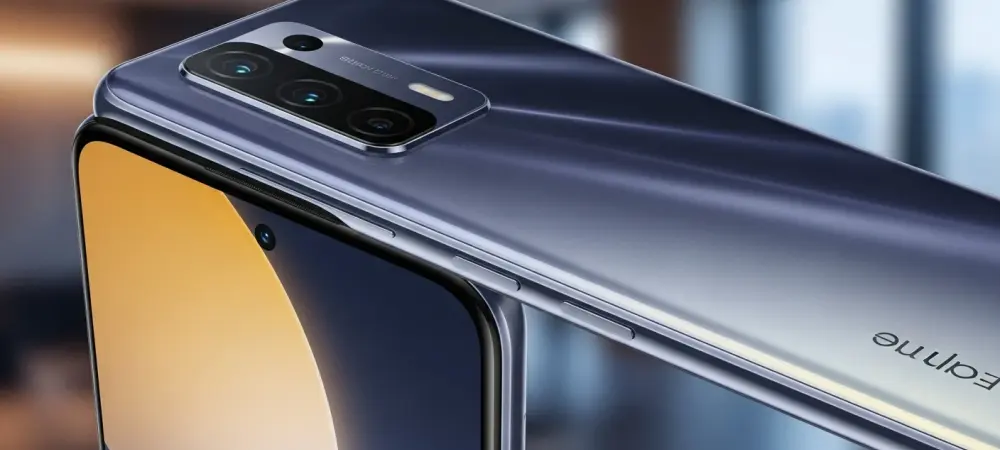
The choice of exterior materials significantly influences the first impression of any mobile device, and the use of organic silicone represents a departure from traditional glass or plastic. This specific material, featured in Master Gold and Pebble Grey, provides a soft, leather-like texture that feels more skin-friendly than cold glass. Because the surface is naturally non-slip and resistant to fingerprints, the phone maintains a clean appearance even after heavy daily use.
Furthermore, this organic silicone possesses unique thermal properties that allow the device to adjust quickly to the warmth of the user’s hand. This creates a comfortable grip that makes long sessions of browsing or gaming much more pleasant than holding a rigid metal frame. The material is also remarkably durable, offering a level of resilience that helps the device withstand the minor abrasions of a busy lifestyle while maintaining its distinctive aesthetic appeal.
Is the Marketing Claim of Eco-Friendly Manufacturing Truly Justified?
Environmental sustainability has become a major selling point for electronics, but the reality of silicone production often contradicts the green narrative presented to consumers. While the manufacturer labels the back panel as eco-friendly, the synthesis of silicone requires industrial processes that involve substances like methyl chloride. These chemicals carry a toxic footprint that challenges the idea of the device being a purely sustainable choice for the conscious shopper.
Moreover, the synthetic nature of the material poses long-term challenges for the planet because silicone does not easily biodegrade in a natural environment. Since the infrastructure for recycling complex synthetic materials is still in its early stages of development, most of these components are likely to end up in landfills. Consequently, the claim of environmental friendliness remains more of a promotional strategy than a scientific certainty, highlighting the need for a critical look at modern manufacturing.
Can Mid-Range Hardware Deliver High-End Technical Performance?
The internal components of the Realme 16 Pro Plus suggest a device that punches well above its weight class in terms of sheer capability. Equipped with a Snapdragon 7 Gen 4 processor and a 144 Hz AMOLED display, the phone handles demanding applications and fluid animations with ease. The photography system is equally ambitious, featuring a 200 MP main sensor and a 3.5x optical zoom that allows for high-resolution captures that were previously reserved for the most expensive flagships.
However, certain compromises serve as a reminder of the mid-range pricing, such as the inclusion of an aging USB 2.0 port which limits data transfer speeds. Additionally, while the 7,000 mAh battery provides exceptional longevity, some users might find the PWM flickering on the display bothersome during low-light usage. Despite these technical trade-offs, the inclusion of IP68 and IP69 water resistance certifications ensures a level of protection and durability that is rarely seen at a 450-euro price point.
Summary or Recap
The Realme 16 Pro Plus presents a compelling case for users who prioritize physical sensation and battery endurance over absolute technical perfection. Its massive battery and high-resolution camera system offer significant value, particularly for those who spend a lot of time away from a charging outlet or enjoy mobile photography. The unique silicone back provides a luxury feel that differentiates the device from a sea of identical glass panels found in the current market.
While the technical performance is strong, the environmental claims require a skeptical perspective, and the lack of modern connectivity features like USB 3.0 might frustrate power users. Ultimately, the phone excels by offering premium durability and high-end aesthetics at a fraction of the cost of a flagship. It remains an impressive option for those who want a robust, long-lasting daily driver with a distinctive personality.
Conclusion or Final Thoughts
The emergence of such a specialized mid-range device showed that manufacturers were willing to take risks on material science and battery capacity to win over consumers. This approach addressed the needs of individuals who were tired of fragile phones that required constant charging throughout the day. By focusing on durability and a soft-touch finish, the design team created a product that prioritized the human element of technology over a simple list of numbers.
Prospective buyers should have evaluated how these specific features aligned with their personal habits and values regarding the environment. The decision to invest in such a device involved weighing the benefits of a comfortable, long-lasting tool against the limitations of its data connectivity. As the industry progressed, this model served as a reminder that value was found not just in speed, but in the harmony between hardware and the physical experience of the user.