

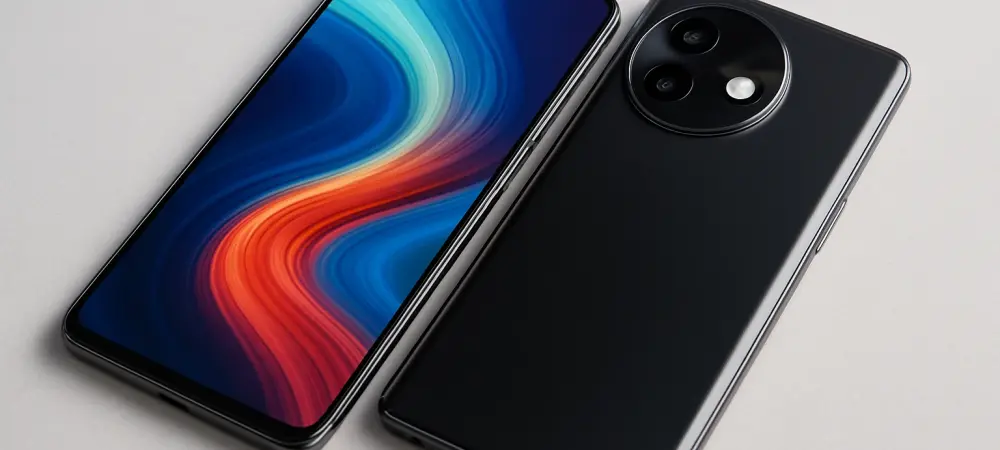
In a market saturated with ever-expanding screens, the demand for a powerful, pocket-friendly smartphone that does not sacrifice performance for size has become increasingly pronounced among discerning consumers. The concept of a true “compact flagship” has often felt like an elusive ideal, with smaller devices typically featuring watered-down specifications compared to their larger counterparts. However, recent leaks from reliable sources, notably tipster Digital Chat Station, suggest that OnePlus may be preparing to challenge this industry trend directly. Whispers of an upcoming device, tentatively named the OnePlus 15T, point toward the imminent arrival of a handset that marries a more manageable form factor with the uncompromised power of a top-tier processor. This device, which could potentially launch as the OnePlus 15S in markets like India, is shaping up to be a significant contender, promising a premium experience without the unwieldy dimensions that have become the norm.
Power and Precision in a Smaller Form Factor
At the heart of the rumored OnePlus 15T is the formidable Snapdragon 8 Gen 4 processor, the same high-end chipset anticipated to drive the main OnePlus 15 model. This strategic decision signals a clear intent to deliver an uncompromised performance experience, ensuring that users who prefer a smaller device do not have to settle for less processing power. The inclusion of this flagship system-on-a-chip suggests that the 15T will effortlessly handle demanding applications, high-end gaming, and complex multitasking. Supporting this powerful core, the device is expected to offer a versatile range of memory and storage configurations, reportedly starting from a generous 12GB of RAM with 256GB of storage and scaling up to an impressive 16GB of RAM with 1TB of storage. This approach caters to a wide spectrum of users, from casual enthusiasts to content creators who require substantial onboard capacity. This powerful internal hardware is complemented by a meticulously designed 6.36-inch flat OLED display, which promises a vibrant and immersive viewing experience with its 1.5K resolution and uniformly slim bezels.
A Comprehensive High-End Experience
Beyond its core performance metrics, the OnePlus 15T appears poised to deliver a complete flagship package, integrating an array of premium features often reserved for larger, more expensive models. Leaks suggest the inclusion of a dedicated telephoto lens, a feature that would elevate its photographic capabilities and provide users with greater creative flexibility. Security is also a point of focus, with the potential integration of a 3D ultrasonic fingerprint sensor for faster and more reliable biometric authentication. The device is also rumored to support wireless charging, adding a layer of convenience to its daily use. Durability seems to be another key consideration, as speculation points to a highly resilient IP68 rating, offering exceptional protection against dust and water. Despite these robust features and a surprisingly large 6,000mAh battery, the handset is projected to maintain a relatively light weight of around 207g. This careful balance of advanced technology and ergonomic design could culminate in a device that is both substantial and thoughtfully engineered for a market that has long awaited such a compelling combination.