

MSI is targeting value-driven builders by launching a refined AM4 motherboard that prioritizes functional essentials. This calculated move arrives at a time when budget-conscious consumers are seeking to maximize the longevity of their existing hardware without overspending on the latest platform transitions. The AM4 socket, despite its veteran status, remains a cornerstone of the secondary and budget markets due to the sheer volume of high-performance Ryzen 5000 series processors still in circulation. By introducing the MSI Pro B550M WiFi6E, the manufacturer addresses a specific gap in the marketplace: the need for modern wireless standards and high-speed data lanes on a platform that uses affordable DDR4 memory. This motherboard serves as a bridge for students, office workers, and entry-level gamers who require the reliability of the B550 chipset but do not want to pay for unnecessary aesthetic features or extreme overclocking capabilities.
Strategic Trade-offs: Connectivity Versus Thermal Stability
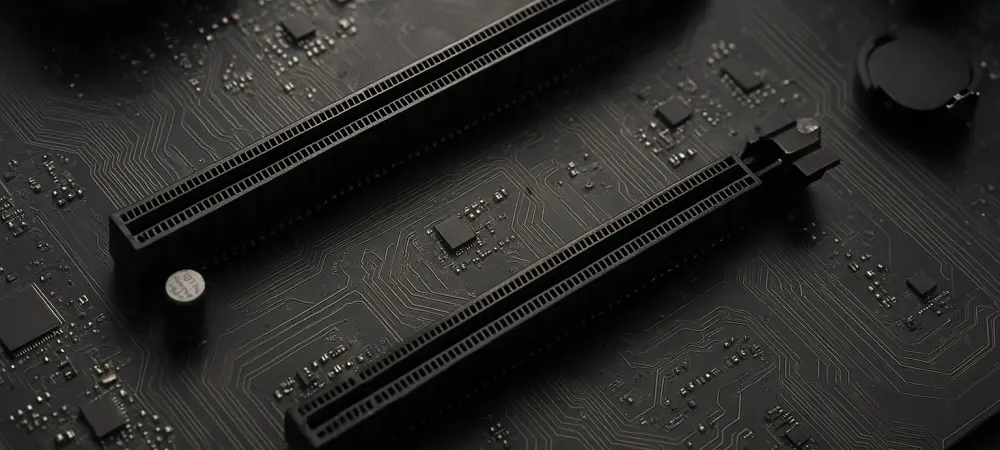
The most striking feature of this micro-ATX board is the integration of Wi-Fi 6E, a connectivity standard that is typically reserved for much more expensive hardware. By providing access to the 6GHz spectrum, this motherboard ensures that users can maintain stable, low-latency connections even in environments where the 2.4GHz and 5GHz bands are heavily congested. This focus on high-end networking is complemented by full support for PCIe 4.0, which allows the primary M.2 slot and the main x16 graphics card slot to operate at their full potential. For those moving large video files or running modern games that utilize DirectStorage, the bandwidth provided by PCIe 4.0 is a critical asset that separates this board from the cheaper A520 alternatives. However, these speeds are balanced by the omission of 2.5Gb Ethernet and USB-C ports, reflecting a design choice that prioritizes wireless freedom and core throughput over the diverse physical I/O options found on premium models.
Stability and thermal management present a different story, as the board utilizes a minimalist power delivery system without the benefit of VRM heatsinks. This lean design philosophy suggests that the motherboard is best suited for 65W processors like the Ryzen 5 5600, where power draw remains within safe operating limits during extended productivity sessions or gaming marathons. Attempting to pair this board with a high-draw Ryzen 9 processor could lead to heat accumulation that challenges the unshielded voltage regulators, potentially leading to performance throttling in poorly ventilated cases. To mitigate these risks, builders are encouraged to focus on high-airflow chassis configurations and avoid aggressive manual overclocking, which the board is not designed to handle. This approach to power delivery keeps the manufacturing costs low while providing a sufficient foundation for the mid-range builds that dominate the budget market, ensuring the system remains efficient and reliable over its lifespan.
Prospective builders found that the MSI Pro B550M WiFi6E delivered a specific set of advantages that outweighed its physical limitations for the right use case. The strategy for maximizing this hardware involved prioritizing high-speed NVMe storage to leverage the PCIe 4.0 lanes, which significantly improved system responsiveness and load times. Instead of chasing high clock speeds, users achieved better results by applying slight undervolts to their CPUs, which kept temperatures low even without substantial VRM cooling. The addition of high-quality external antennas allowed the Wi-Fi 6E controller to perform at its peak, providing a wireless experience that rivaled traditional wired connections in many home office scenarios. Ultimately, the motherboard functioned as a cost-effective gateway for maintaining modern standards on an aging platform. It demonstrated that focusing on essential data transfer technologies was more impactful than investing in aesthetic flourishes for budget-sensitive projects.