

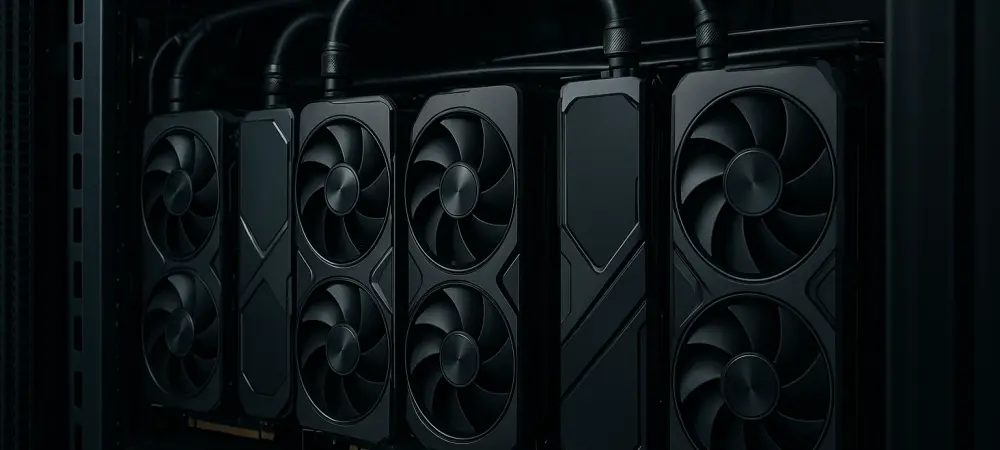
The transition to GDDR7 memory has made the RTX 5090 so attractive for AI workloads that it is now retailing for nearly ten thousand dollars on some platforms. This unprecedented valuation shift represents a significant disruption in the consumer graphics market, where flagship components typically follow a predictable depreciation curve as newer models approach. Instead of a standard retail lifecycle, the Blackwell-based architecture has evolved into a high-value commodity, disappearing from online storefronts as rapidly as inventories are replenished by distributors. While the primary design intent for the GB202 silicon was to provide the ultimate gaming experience for 8K enthusiasts, its massive memory bandwidth has caught the attention of commercial industries. Consequently, major online retailers like Newegg and Amazon have seen their stock depleted by automated procurement systems, leaving third-party resellers to dictate prices that often reach triple the original suggested retail value.
The Intersection of Global Artificial Intelligence Infrastructure and Consumer Scarcity
The unprecedented demand is primarily fueled by the technical specifications of the RTX 5090, which features 32GB of GDDR7 memory and the advanced DLSS 5 Neural Rendering suite. In the current technological landscape of 2026, these features make the card a viable and cost-effective alternative to professional-grade AI accelerators that often cost tens of thousands more in the enterprise space. Startups and independent research labs have discovered that clustering several consumer-grade flagships allows for efficient localized training of large language models without the overhead of enterprise contracts. This utility in the artificial intelligence sector has fundamentally altered the supply chain, as units are redirected from gaming enthusiasts to data centers. Because the card offers such a high performance-to-dollar ratio for non-gaming tasks, it remains the most sought-after piece of hardware on the market, creating a persistent inventory void that shows no signs of stabilizing.
This digital scarcity has unfortunately paved the way for a surge in fraudulent activity across major online marketplaces, putting consumers at significant financial risk. As legitimate stock vanished, third-party listings emerged with exorbitant markups, but many of these transactions have resulted in sophisticated hardware scams. Reports have surfaced of buyers receiving packages containing unrelated items like fanny packs or old, non-functional components instead of the flagship GPU they purchased with their hard-earned money. These opportunistic sellers exploit the desperation of users who are willing to pay a premium for immediate availability. Security experts have warned that the automated botting of stock has become so efficient that human shoppers are essentially locked out of traditional purchase windows. This environment has transformed the process of upgrading a PC into a hazardous endeavor, where the lack of verified inventory necessitates extreme caution and a reliance on secondary markets.
In contrast to the volatile online environment, physical retail locations like Micro Center provided a much more stable alternative for those seeking the new hardware. By implementing strict in-person purchase requirements and identity verification, these stores successfully prevented automated systems from siphoning their limited stock. This strategy allowed a small portion of the enthusiast community to acquire the hardware at prices that remained closer to the initial launch average throughout the year. Looking back, the industry recognized that the decoupling of consumer hardware from industrial AI needs was essential for long-term market health. Manufacturers were encouraged to explore hardware-level limitations for non-professional drivers to ensure gaming silicon reached its intended audience. Ultimately, the lessons learned from the RTX 5090 shortage highlighted the necessity for more robust distribution frameworks. Moving forward, buyers were advised to prioritize physical storefronts and verified reservation lists to navigate the ongoing challenges.