

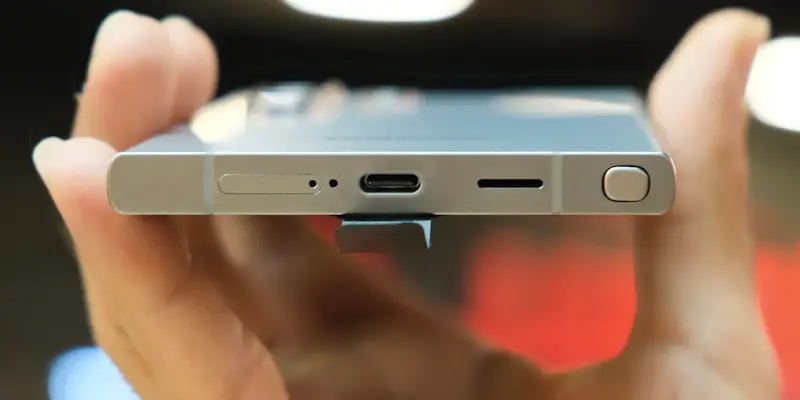
The Galaxy S25 Ultra has sparked considerable discussion among tech enthusiasts and professionals regarding its repairability, with many noting significant improvements over previous models. Combining a minimalist design with greater accessibility, this smartphone has caught the attention of repair groups like iFixit, which commend its advancements. Nevertheless, the journey toward more repairable consumer electronics has its obstacles, and the S25 Ultra is no exception.
Major Improvements in Battery Design
One of the standout features of the Galaxy S25 Ultra is its battery design, which incorporates a much-needed enhancement in ease of replacement. Both iFixit and PhoneRepairGuru have praised the new battery release mechanism, noting the stark contrast to the older Samsung Galaxy S24 Ultra. The latter’s battery design was cumbersome, complicating any attempt at self-service repairs. The S25 Ultra’s streamlined battery accessibility caters to increasing consumer demand for more repair-friendly devices, marking a significant step forward in Samsung’s design philosophy.
Challenges in Display Repair
Despite its progress in battery repairability, the Galaxy S25 Ultra’s 6.9-inch 120Hz OLED display covered with Corning Gorilla Armor 2 remains a point of contention. iFixit has specifically highlighted the difficulties in removing the display, labeling it a “nightmare” to detach unless it is already broken. The robust screen, intended to enhance durability, inherently complicates the repair process, presenting a dilemma for users who prioritize ease of repair. This trade-off between durability and repairability underscores the challenges faced by manufacturers in meeting diverse consumer expectations.
Criticism of Anti-Repair Tactics
Reservations about the Galaxy S25 Ultra extend beyond the hardware itself to Samsung’s repair policies. Critics have targeted Samsung’s “aggressive anti-repair tactics,” particularly the restricted access to spare parts and essential services required for device maintenance. These practices hinder third-party repair efforts, thereby affecting the overall repairability rating of the device. Consequently, iFixit has given the S25 Ultra a preliminary score of 5/10, reflecting a mixed appraisal of its repair-friendly aspects within the larger context of Samsung’s repair policies.
Mixed Reviews on Durability and Performance
While the improved battery design and other aspects of the Galaxy S25 Ultra are commendable, the device has also received a range of reviews regarding its durability and performance. The removal of Bluetooth connectivity from the S Pen, a feature present in the S24 Ultra, has been met with disappointment. Additionally, mixed user experiences point to a device that, despite its repairability strides, still faces scrutiny regarding functionality changes and overall user satisfaction. These mixed reviews indicate that while the S25 Ultra succeeds in certain areas, it lags in others, providing a balanced yet critiqued appraisal.
Looking Forward
The Galaxy S25 Ultra has ignited extensive conversations among tech enthusiasts and professionals about its repairability, showcasing notable advancements compared to previous models. Despite these accolades, the path toward more repairable consumer electronics remains challenging, and the Galaxy S25 Ultra is not exempt from these hurdles.
While this model stands out for its more user-friendly repair features, there’s still a way to go for the industry as a whole. Nonetheless, the strides made by the Galaxy S25 Ultra represent a significant step forward in the right direction. As manufacturers continue to innovate in this area, consumers can look forward to an era where electronic repairs are more accessible to everyone, aligning with the growing demand for sustainable and environmentally friendly technology.