

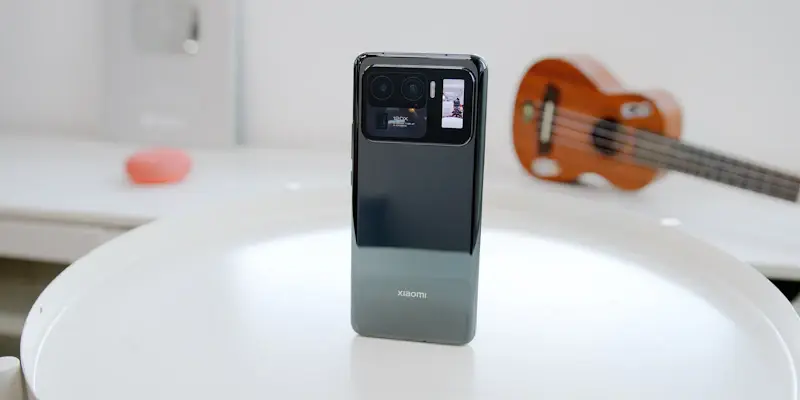
The smartphone industry is abuzz with speculation as the highly anticipated Xiaomi 15 Ultra prepares to make its grand entrance. With numerous leaked specifications hinting at revolutionary advancements, this device is already being hailed as a potential game-changer in the competitive flagship market. As the successor to the Xiaomi 14 Ultra, the 15 Ultra promises remarkable improvements in performance, display, camera, and battery capabilities. The question on everyone’s mind is whether it has what it takes to set new standards in 2025.
Cutting-edge Design and Display
Premium Build and Immersive Design
The Xiaomi 15 Ultra is expected to feature a premium build utilizing high-quality materials like titanium or ceramic, giving it a robust and luxurious feel. Early leaks suggest that the phone will boast a sleek, immersive design with significantly thinner bezels, emphasizing a modern, high-end aesthetic. Such a design could solidify Xiaomi’s reputation for combining elegance with durability.
Impressive Display Technology
The display of the Xiaomi 15 Ultra is anticipated to be one of its standout features. It will likely sport a 6.8-inch LTPO AMOLED screen with an impressive 2K resolution. Additionally, the display is expected to support a high refresh rate from 120Hz up to 144Hz, ensuring smooth scrolling and enhanced responsiveness for gaming and media consumption. One of the most striking rumored features is its maximum brightness, which is anticipated to exceed 3000 nits, making it one of the brightest displays on the market.
Performance and Hardware
Advanced Processing Power
Under the hood, the Xiaomi 15 Ultra is rumored to be powered by the latest Qualcomm Snapdragon 8 Gen 4 chipset, which is based on a 3nm process. This advanced chipset is expected to deliver improved processing speeds and better power efficiency, crucial for handling demanding tasks such as gaming, multitasking, and AI applications. The Snapdragon 8 Gen 4 is likely to position the Xiaomi 15 Ultra as one of the most powerful smartphones of 2025.
Memory and Cooling Systems
Complementing the powerful processor, the Xiaomi 15 Ultra is expected to feature up to 16GB of LPDDR5X RAM alongside 1TB of UFS 4.0 storage. An advanced vapor chamber cooling system is also hinted at in various leaks, designed to prevent overheating during intensive activities like gaming or 4K video recording.
Camera Innovations
Superior Camera Sensor
One of the most talked-about aspects of the Xiaomi 15 Ultra is its camera system. Rumors suggest that the phone will feature a 50MP 1-inch Sony sensor as its primary camera. This large sensor is expected to significantly improve low-light performance and provide a broader dynamic range, resulting in photos that are not only clearer but also richer in detail and color.
Enhanced Charging Technology
In addition to its camera capabilities, the Xiaomi 15 Ultra’s charging technology is anticipated to be another highlight. The device is expected to support 120W wired fast charging and 80W wireless charging, allowing users to achieve a 50% charge in just 10 minutes. Such fast charging technology demonstrates Xiaomi’s commitment to pushing the boundaries of what is possible in smartphone battery and charging design.
Software and Feature Set
Customizable HyperOS
On the software front, the Xiaomi 15 Ultra will come equipped with HyperOS, Xiaomi’s latest Android-based operating system. AI-powered optimizations within HyperOS are expected to enhance battery life, camera functionality, and overall system efficiency. Such software advancements aim to provide users with a seamless and highly responsive device that adapts effortlessly to various usage scenarios.
Connectivity and Security Features
Further features that set the Xiaomi 15 Ultra apart include support for Wi-Fi 7, which promises faster and more reliable connectivity. The phone is also rumored to have satellite connectivity capabilities, providing emergency communication options when traditional networks are unavailable. An in-display ultrasonic fingerprint sensor is expected to offer secure and fast unlocking, while enhanced haptic feedback aims to provide a more immersive gaming and typing experience.
Competitive Edge
Comparison to Other Flagships
In comparison to other flagship phones like the Samsung Galaxy S25 Ultra, Apple iPhone 16 Pro Max, and Google Pixel 9 Pro, the Xiaomi 15 Ultra stands out in several key areas. Its faster charging speeds and advanced camera sensor provide it with a competitive edge, while the Android-based HyperOS offers greater customization options compared to the iPhone 16 Pro Max. This strategy could attract a wide range of users looking for a high-performance smartphone without the premium price tag.
Many are particularly focused on the camera innovations, which are rumored to be groundbreaking. As the launch date nears, the big question remains: Will the Xiaomi 15 Ultra redefine the standards for smartphones in 2025?