

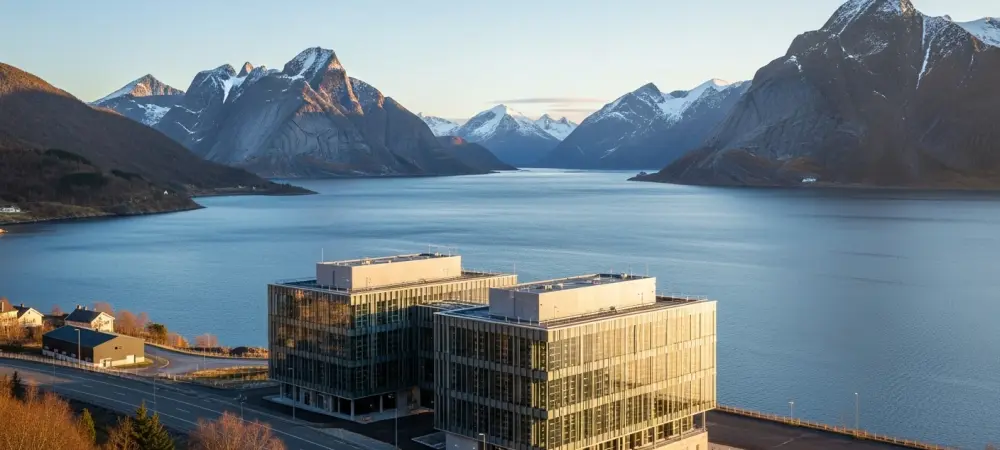
The quiet fjords and rugged coastlines of Norway are no longer just symbols of natural beauty; they have become the bedrock of a sophisticated digital revolution that is redrawing the map of global computing. As the world transitions into a phase where high-performance computing (HPC) and artificial intelligence define economic success, this Nordic nation has emerged as a frontrunner in hosting the heavy-duty infrastructure required for these complex workloads. The shift is not accidental, but rather the result of a perfect alignment between a surge in private investment and the country’s unique geographical gifts. This transformation marks a pivotal moment for the global tech industry as it seeks out regions that can provide both the power and the stability necessary for AI evolution. Norway’s rapid ascent is fueled by a combination of reliable renewable energy and a specialized infrastructure strategy that prioritizes high-density processing over traditional storage. While other regions struggle with energy shortages or cooling costs, the Norwegian landscape offers a pre-built solution for companies looking to scale their digital operations without compromising on environmental goals.
Establishing the Foundation for a Data-Driven Economy
Norway’s historical dominance in the industrial sector, particularly through its vast hydropower network, has provided the ideal springboard for its digital pivot. The country possesses a significant surplus of green energy, which, when combined with a naturally cool climate, allows data centers to operate with extreme efficiency. These factors create a competitive advantage that is difficult to replicate, as they significantly lower the operational costs associated with cooling massive server arrays.
Moreover, the transition from traditional heavy industries like smelting and oil to digital infrastructure has created a stable environment for international investors. By repurposing existing industrial knowledge and grid connections, Norway has built a credible reputation as a “plug-and-play” destination. This transition ensures that the infrastructure is not just sustainable but is also backed by a workforce and a regulatory framework that understand the demands of large-scale energy management.
Key Infrastructure Projects Powering the AI Surge
The momentum behind Norway’s digital expansion is best illustrated by the landmark developments currently reshaping its industrial parks and rural communities. These projects represent a massive influx of both private and public capital, all aimed at securing a piece of the burgeoning AI market.
Polar DC: Strategic Expansion in Herøya
At the heart of this movement is Polar DC’s ambitious HER01 project, situated on the Herøya peninsula in Porsgrunn. This 40-megawatt facility is specifically engineered to handle the intense power densities required by the next generation of AI workloads. By utilizing a 39,000-square-meter site within a pre-existing industrial park, the project bypasses many of the logistical hurdles typically associated with new constructions.
The facility’s strategic focus on high-density infrastructure distinguishes it from older, general-purpose data centers. Polar DC has leveraged its established presence in regions like Drangedal and Oslo to create a specialized network that serves high-profile AI cloud providers. This project underscores a broader trend where infrastructure is built with specific, high-intensity computing tasks in mind from the very beginning.
Arcem’s Massive Multi-Regional Expansion
In contrast to single-site developments, the developer Arcem has launched a portfolio that spans several key regions across the country. Their most notable project is a 130-megawatt development in Bergen, located on a site previously used as a landfill. This reclamation of industrial land for high-tech use exemplifies how Norway is breathing new life into forgotten spaces to accommodate the digital future.
The firm’s expansion also includes significant projects in Husnes and Elverum, where they are repurposing old foundries and industrial parks. For example, the 99-megawatt project in Elverum utilizes a former foundry site, taking advantage of existing grid capacity. In Moss, a 50-megawatt facility was prioritized over traditional residential real estate, demonstrating the high economic value placed on data infrastructure in the current market.
The Karmøy AI Initiative: Government and Research Integration
Moving away from the purely private model, the Karmøy AI Initiative represents a collaborative effort between local government and research institutions. This 15-acre development at Spanne is designed to act as a catalyst for regional growth, integrating the data center into the local educational and maritime ecosystem. By partnering with the University College of Western Norway, the project aims to create a hub where academic research and industrial application coexist.
This initiative focuses on generating “ripple effects” that extend beyond the servers themselves. The goal is to foster a local workforce capable of managing AI infrastructure while providing a platform for maritime industries to modernize their operations through enhanced data processing. It positions the data center as a utility for the community’s intellectual and economic advancement.
Otterlei Group: Industrial Symbiosis in Lindesnes
The Tryland Data Center in Lindesnes, spearheaded by the Otterlei Group, offers a unique look at how digital infrastructure can benefit local agriculture. By repurposing a building once used for plastic pipe production, the project minimizes the environmental impact of new construction. However, the most innovative feature is the plan to capture waste heat from the servers and redirect it to a nearby tomato farm.
This approach, known as industrial symbiosis, addresses the common criticism of energy waste in the tech sector. By creating a circular economy where the data center’s byproduct becomes a vital resource for food production, the project gains social acceptance and operational efficiency. It serves as a blueprint for how large-scale technology can integrate into rural economies without disrupting traditional ways of life.
What Sets Norway Apart in the Global Market
Norway’s strategy is defined by its focus on “brownfield” redevelopment, where developers target sites with existing infrastructure rather than clearing green spaces. This methodology speeds up the deployment of AI-ready grids while minimizing land-use conflicts. Furthermore, the commitment to a 100% renewable energy grid ensures that every teraflop of processing power is backed by sustainable sources, a requirement that is becoming non-negotiable for global tech giants.
The focus on specialized AI architecture further differentiates the Norwegian market from traditional data hubs. While other regions might offer general-purpose storage, Norway is building facilities specifically for the high power densities and liquid cooling systems that AI demands. This specialization ensures that the country remains relevant as the hardware requirements for machine learning continue to escalate.
The Current State of the Norwegian Data Landscape
Today, the Norwegian data landscape is characterized by a wide geographic dispersion that reaches from the southern tip to the western fjords. This distribution ensures that the national power grid remains resilient and that no single region is overburdened by energy demands. It also allows diverse municipalities to participate in the digital economy, bringing high-tech jobs to areas that were previously dependent on heavy industry. Recent shifts in policy have seen digital infrastructure projects take priority over traditional commercial or residential developments. Local governments increasingly view these facilities as long-term assets that provide steady tax revenue and infrastructure upgrades. This prioritization reflects a nationwide consensus that the future of Norwegian prosperity lies in the intersection of renewable energy and digital intelligence.
Reflection and Broader Impacts
The infrastructure boom in Norway has provided significant insights into the future of global tech development.
Reflection
The success of Norway’s “plug-and-play” industrial parks demonstrated the immense value of pre-existing infrastructure in accelerating the digital transition. However, the rapid pace of growth also highlighted the challenges of managing sudden surges in grid capacity demands. Balancing the needs of the emerging AI sector with the requirements of existing industries was a delicate process that required constant coordination between the public and private sectors.
Broader Impact
On a global scale, the Norwegian model influenced how environmental standards were viewed within the tech industry. By proving that high-density AI processing could be achieved through sustainable, circular-economy practices, Norway set a new benchmark for other nations. This approach encouraged a global shift toward heat reuse and brownfield redevelopment, showing that the race for AI capacity did not have to come at the expense of ecological integrity.
The Future of European AI Infrastructure
Norway’s journey from a niche location for data storage to a central engine for the next generation of AI workloads is now largely complete. As the global tech community continues to seek out sustainable and reliable capacity, the lessons learned from the Norwegian expansion will likely serve as a guide for future developments. For those looking to understand the next phase of digital evolution, the path leads clearly to the North. Future considerations should involve the continued integration of data centers with local energy grids to maximize efficiency. Stakeholders might explore how similar industrial symbiosis projects could be implemented in different climates, or how Norway’s regulatory framework can be adapted for international standards. By maintaining this focus on innovation and sustainability, Norway is well-positioned to remain a primary hub for the digital age.