

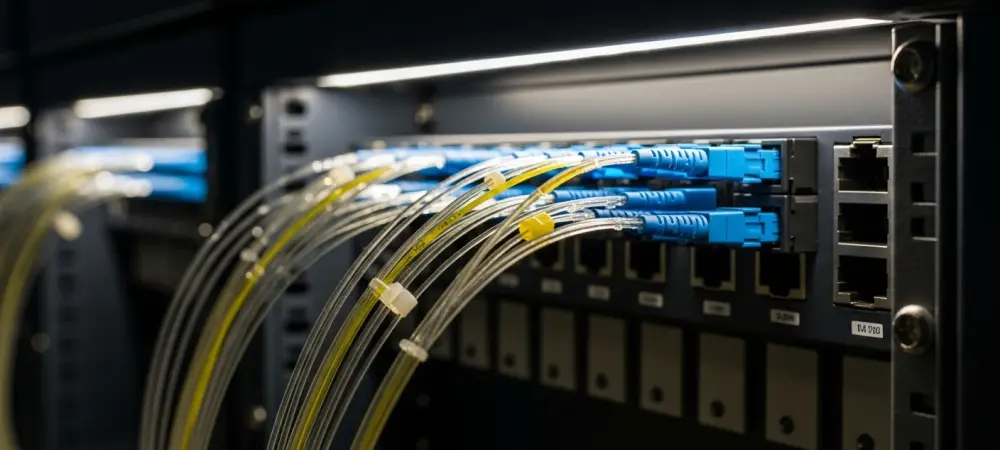
The recent commissioning of a high-performance Edge data center in the Mahalakshmi district of South Mumbai represents a pivotal moment in the evolution of India’s decentralized digital architecture. By deploying 800kW of power across 55 racks in a high-density urban environment, Techno Digital and RailTel moved beyond traditional centralized models to bring processing power directly to the source of demand. This inaugural facility served as the opening chapter of a national strategy designed to eliminate the lag that often hindered complex digital transactions in crowded metropolitan hubs. This transition toward localized processing ensured that data no longer traveled thousands of miles for simple verification tasks.
The Dawn: Distributed Intelligence in Mumbai
The Mumbai facility functioned as more than just a server room; it acted as a vital node for real-time data processing in the heart of the country’s financial capital. By placing hardware at the Edge, the network minimized the physical distance between the data generator and the processor. This specific deployment highlighted a shift where capacity was measured not just in total megawatts, but in its proximity to the end user.
As urban density increased, the strain on centralized clouds became a bottleneck for emerging technologies. The South Mumbai site addressed this by offering high-density rack configurations that supported AI inferencing and financial modeling within the city limits. This localized approach allowed businesses to scale their operations without the traditional performance penalties associated with remote data centers.
Bridging the Last Mile: The Railway Backbone
As the digital appetite of the nation expanded, the limitations of long-distance data transmission became more apparent, necessitating infrastructure that sat closer to the consumer. The collaboration between Techno Digital and RailTel leveraged a massive 63,000-kilometer fiber optic network that spanned over 6,000 railway stations. This background infrastructure provided a sovereign connectivity layer that remained virtually unmatched in its geographic reach across the subcontinent.
This vast network served as the nervous system for the new Edge architecture, connecting remote outposts to urban centers. For sectors like fintech, where even a few milliseconds of latency resulted in failed transactions, the railway-aligned fiber offered a stable and direct path. By utilizing existing right-of-way assets, the partnership bypassed the logistical hurdles that usually slowed down the deployment of high-speed terrestrial cables.
A 200MW Roadmap: National Decentralization
The transformation of the digital landscape rested on a massive expansion plan to establish 102 Edge data centers over the next three to four years. This distributed network aimed to reach a collective capacity of 200MW, ensuring that high-performance computing was not restricted to a few Tier-1 cities. Following the Mumbai launch, immediate activations for sites in Indore, Gandhinagar, and Lucknow created a grid that aligned digital resources with regional economic activity.
This strategy successfully moved the industry away from massive, isolated server farms toward a more responsive, mesh-like architecture. By spreading capacity across a hundred locations, the network provided a safety net against regional outages and localized congestion. This decentralization meant that a startup in a smaller city could access the same low-latency compute power as a multinational firm in a primary hub.
Validation: Diverse Infrastructure Portfolios
The push toward a 102-center network gained support from Techno Digital’s broader engineering expertise and its existing successes in various high-demand markets. With a 36MW facility already operational in Chennai and a 400kW site in Gurugram running at full capacity, the company demonstrated the viability of both mega-scale and hyper-local solutions. These established sites served as the technical blueprint for the rapid rollout of the smaller Edge centers.
Further credibility was established by the upcoming 18MW facility in Noida and the planned 20MW center in Kolkata. This balanced approach between massive regional hubs and the decentralized Edge network allowed for a tiered data strategy. While large facilities handled massive storage and bulk processing, the Edge network managed the immediate, time-sensitive tasks that required instant feedback loops.
Strategic Implementation: Enterprise Resilience
Enterprises that sought to capitalize on this emerging network adopted a decentralized deployment framework that prioritized proximity to the end user. Organizations optimized their digital operations by migrating latency-sensitive workloads, such as financial inferencing and real-time analytics, to these Edge locations. This strategy allowed businesses to maintain core data in larger regional hubs while processing critical interactions at the network’s periphery.
By utilizing the reliability of the sovereign fiber and the localized presence of the new grid, companies ensured higher uptime and better performance for mission-critical applications. Decision-makers evaluated their infrastructure needs based on user density and regional demand, creating a more agile digital ecosystem. This shift toward the Edge fostered a resilient environment where regional growth was no longer tethered to distant infrastructure, paving the way for a more inclusive and responsive digital future.