

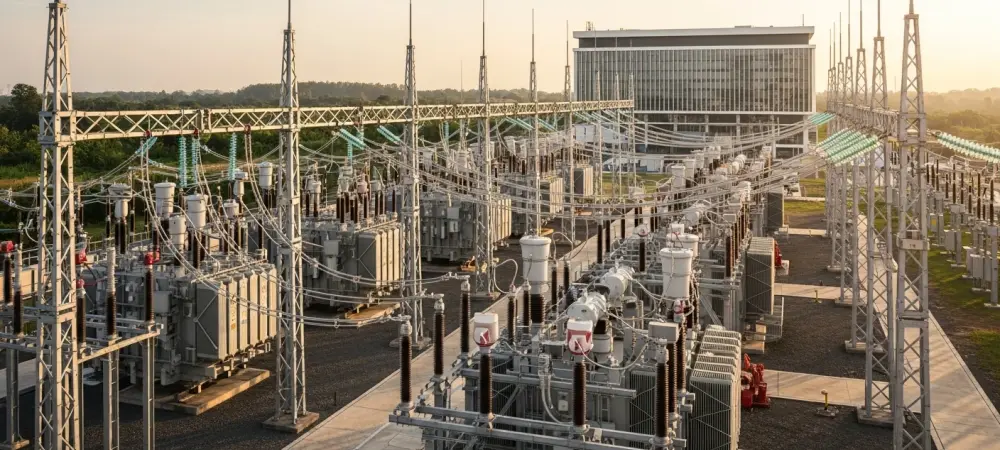
The Association of Southeast Asian Nations is currently standing at a crossroads where the explosive growth of artificial intelligence and cloud services is outpacing the physical capacity of the electrical infrastructure designed to support them. As nations like Indonesia, Malaysia, and Vietnam aggressively court global technology giants, the discrepancy between digital ambition and the foundational reality of energy distribution has become a central concern for regional stability. This massive surge in data center development has highlighted a significant vulnerability within the existing power frameworks, which were largely constructed to serve a less demanding era. While the digital boom promises unprecedented economic growth, the aging power grids responsible for sustaining these massive server farms are facing strain that threatens to stall progress. The challenge lies not just in generating more electricity, but in ensuring the infrastructure can handle the unique and intensive characteristics of modern computing loads.
The Growing Demand and Supply Mismatch
Projections indicate that electricity demand for data centers across the broader Asia-Pacific region will skyrocket by over 140 percent by 2030, eventually reaching a staggering 780 terawatt-hours. Although a variety of new power generation projects are currently in various stages of development throughout 2026 and into the coming years, a fundamental timing mismatch exists that could undermine near-term industrial expansion. These facilities will simply not be operational soon enough to support the current wave of hyperscale data center construction already occurring in major hubs. This temporal gap means that for the immediate future, the digital revolution must rely on older power generation systems that are already operating near their maximum capacity. Consequently, the region is entering a phase where the ability to deliver high-density power is becoming a more significant competitive barrier than the availability of real estate or fiber optic connectivity.
The burden of this energy deficit falls squarely on older coal and gas-fired power plants, which have unexpectedly become the primary bottleneck for regional economic expansion. Many of these facilities were scheduled for gradual phase-outs or transitions, yet they are now being forced to operate at higher utilization rates to meet the requirements of modern cloud infrastructure. This reliance on legacy systems creates a precarious situation where any major equipment failure could lead to localized grid instability or significant downtime for data centers that require one hundred percent uptime. Furthermore, the slow pace of regulatory approval and the long lead times for high-voltage transmission equipment mean that new grid capacity cannot be deployed with the same speed as the data centers themselves. This disconnect between the velocity of technological advancement and the inertia of utility-scale construction is forcing a radical rethinking of how power is managed across Southeast Asia.
The Technical Toll of Modern Computing
Most of the current power generation fleet in Southeast Asian countries was designed for steady-state output rather than the volatile load swings characteristic of modern high-performance computing. The training and utilization of Large Language Models and other sophisticated AI applications create extreme, rapid fluctuations in electricity demand that can quickly overwhelm traditional infrastructure designed for gradual residential or industrial shifts. These concentrated hotspots of demand force the turbines and generators in existing plants to undergo frequent ramping and thermal cycling, which is a significant departure from their original engineering specifications. Such operational stress leads to accelerated mechanical fatigue in critical components, significantly increasing the risk of unplanned outages. When massive compute clusters activate simultaneously, the resulting surge can ripple through the grid, testing the limits of every connected asset.
Beyond the immediate mechanical stress of load swings, environmental factors and electrical degradation further compromise the overall stability of the regional grid. The humid, tropical climate of Southeast Asia exacerbates corrosion and hydraulic issues in cooling systems, which are vital for maintaining both the power plants and the data center temperatures themselves. In 2026, many older facilities are finding that their cooling towers and heat exchangers are struggling to keep up with the increased thermal load caused by continuous high-output operation. Simultaneously, the fluctuating loads cause insulation systems and protection equipment to deteriorate much faster than historical maintenance models predicted. This deterioration increases the likelihood of total system failures at a time when always-on reliability is a non-negotiable requirement for the digital economy. The intersection of harsh environmental conditions and extreme operational demands is creating a perfect storm for infrastructure managers.
Evaluating Alternative Energy and Strategic Fixes
While many developers are increasingly looking toward behind-the-meter solutions like on-site solar panels and battery storage, these alternatives currently lack the scale to replace the main grid. Land constraints in urban centers like Singapore or Jakarta limit the physical size of solar arrays, making it nearly impossible to power a hyperscale facility entirely through local renewable generation. Furthermore, while battery technology has advanced, current storage systems cannot yet sustain the massive twenty-four-seven requirements of large-scale facilities during extended periods of low solar generation or during tropical storms. For the foreseeable future, the regional grid remains the only viable source for the massive volumes of energy required by the digital sector. This reality necessitates a shift in focus from purely seeking new energy sources toward optimizing the transmission and reliability of the electricity that is already available. To bridge the speed-to-power gap, the most effective short-term strategy involves the targeted engineering of existing power assets to improve their durability and output. Rather than waiting several years for new plants to be commissioned and built, operators can utilize precision overhauls, such as turbine rotor refurbishment and shaft realignment, to restore performance and extend the lifespan of current facilities. These interventions allow older plants to handle modern, volatile load profiles with much greater efficiency and stability while reducing the risk of catastrophic failure. By focusing on the refurbishment of the existing fleet, countries can achieve a significant increase in available capacity in a fraction of the time required for new construction. This approach provides a practical middle ground that supports the immediate needs of the data center boom while long-term energy transition plans are being implemented across the ASEAN region.
The Economics of Reliability and Performance
Power reliability has evolved into a key competitive lever for nations seeking to attract global tech investment from hyperscale providers and cloud giants. In specialized economic zones, such as those forming between Malaysia and Singapore, the ability to provide a stable and efficient energy supply determines where these multi-billion dollar operators choose to build their next clusters. Investors are no longer just looking for low-cost power; they are prioritizing grids that can demonstrate long-term resilience and a commitment to maintaining high-performance standards. Countries that fail to address the supply-side blind spot risk seeing their digital ambitions migrate to neighboring markets with more robust infrastructure. This shift has turned energy policy into a cornerstone of national economic strategy, where the quality of the utility grid directly correlates with the success of the broader technological sector.
Furthermore, there is growing pressure to meet stringent Environmental, Social, and Governance standards, making the optimization of existing water and energy resources a priority for both regulators and investors. Improving the efficiency of existing power plants through strategic retrofits not only enhances reliability but also reduces the carbon footprint per megawatt-hour produced. This is particularly important for data center operators who have committed to carbon neutrality and require their energy providers to align with these sustainability goals. By focusing on predictive maintenance and precision engineering, power producers can ensure that their legacy assets remain viable and compliant within an increasingly regulated environment. This economic reality is driving a new wave of collaboration between engineering firms and utility providers to maximize the performance of every asset currently connected to the Southeast Asian power network.
Implementing A Resilient Path Forward
Success in the ASEAN digital economy ultimately depended on how well power producers could adapt their current infrastructure to meet modern, high-density demands. By prioritizing predictive maintenance and strategic retrofits, the region managed to mitigate the risks associated with the supply-side blind spot and ensured a resilient foundation for future growth. Engineering experts provided the necessary precision to maximize the performance of the existing fleet, offering a faster and more sustainable path to supporting the ongoing data center boom. This proactive approach allowed nations to bridge the gap between their legacy power systems and the high-tech requirements of the global cloud industry. The integration of advanced monitoring and targeted mechanical repairs proved to be the most cost-effective method for maintaining stability during a period of unprecedented load growth and technological transition.
Moving forward, the focus shifted toward a integrated strategy that combined traditional generation with decentralized energy resources and enhanced grid intelligence. Policymakers recognized that the stability of the digital sector was inextricably linked to the health of the power grid, leading to increased investment in infrastructure hardening. These efforts included the implementation of localized microgrids and the expansion of high-voltage interconnections between ASEAN member states to facilitate cross-border energy sharing. This collective focus on reliability and efficiency ensured that the region remained a primary destination for global technology investment. By addressing the technical constraints of the grid before they became insurmountable crises, the region successfully transformed its power infrastructure into a robust engine for the digital age, setting a benchmark for other emerging markets worldwide.