

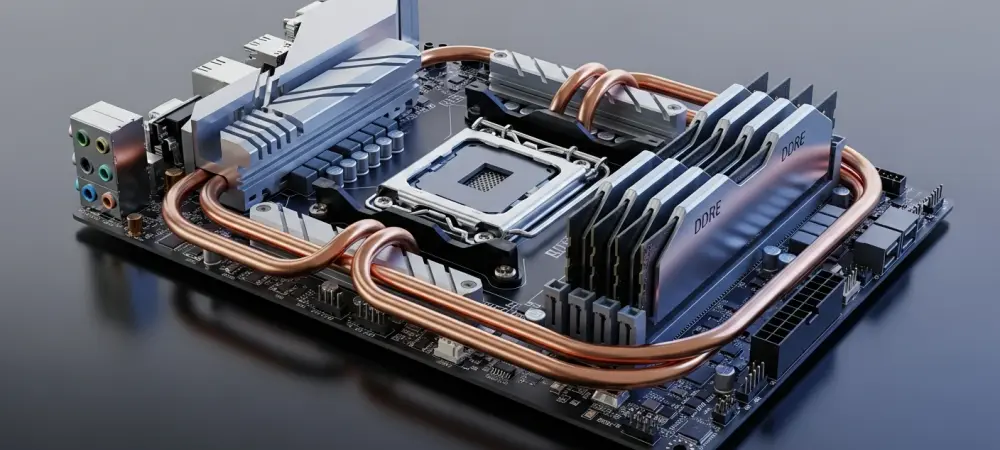
The technological landscape of consumer computing underwent a massive transformation as engineering breakthroughs finally allowed silicon designers to pack desktop-class graphical power directly into the central processor. For years, builders on a budget were forced to purchase expensive add-in cards to play modern games, but Intel is now moving toward a future where that requirement is no longer absolute. The upcoming Nova Lake-S architecture represents a fundamental change in silicon strategy, prioritizing integrated performance to challenge the long-standing dominance of discrete hardware.
This development suggests that the era of office-grade graphics is quickly ending. By focusing on high-end integrated solutions, Intel intends to capture a market segment that has historically been underserved by major chipmakers. The goal is to provide a unified chip that handles both heavy computational tasks and visually demanding gaming workloads without the thermal or financial overhead of a second dedicated component.
Shifting the Paradigm of Desktop APU Performance
For over a decade, AMD Ryzen G-series processors were the only logical choice for gamers avoiding dedicated GPUs. This monopoly on the desktop APU market allowed AMD to set the standard for what a budget gaming rig could achieve. Intel is now positioning its Core Ultra Series 4 to disrupt this balance, moving beyond simple video output toward a robust gaming engine capable of rivaling entry-level discrete cards.
The transition toward the Core Ultra branding signifies a move away from the “basic display” integrated chips of the past. Modern users demand efficiency and high-density integration, and Intel is responding by engineering silicon that balances raw clock speeds with specialized graphics instructions. This shift reflects a broader industry trend where the convenience of a single-chip solution is becoming as valuable as peak frame rates.
Inside the Nova Lake-S Architecture and the Xe3P Breakthrough
Technical details reveal a specialized SKU featuring 12 Xe3P cores, a substantial increase over previous generations. This chip utilizes a 16-core hybrid design, combining four “Coyote Cove” performance cores with twelve efficiency cores from the “Arctic Wolf” and low-power families. To support this graphical density, the platform employs a 175W TDP and a dual-phase power delivery system typically reserved for high-end enthusiasts.
Intel opted for a streamlined single-tile strategy to balance production costs with performance targets. While previous roadmaps hinted at a massive 48-core “Strix Halo” competitor known as Nova Lake-AX, the company refined its focus toward the more commercially viable 12-core Xe3P variant. This decision ensures that the final product remains accessible to the mainstream market while still delivering the throughput necessary for AAA gaming titles.
Strategic Shifts in Platform Longevity and Memory Standards
Stability and longevity are also becoming central to the Intel ecosystem. With the introduction of the LGA 1954 socket, the company signaled a departure from its frequent socket changes. This new platform aims to support multiple hardware generations, a strategy that mirrors the consumer-friendly policies of its competitors. Such a move is essential for winning back the trust of builders who value a clear and long-term upgrade path. Furthermore, native support for DDR5-8000 memory ensures that the high bandwidth required for the integrated graphics cores is readily available. Because iGPUs rely on system RAM, this jump in memory speed is critical for preventing performance bottlenecks. By prioritizing high-bandwidth environments, Intel is ensuring that its new architecture can reach its full potential in real-world gaming scenarios.
Practical Implications for System Builders and the Enthusiast Market
Builders looking toward the early 2027 release window will need to prioritize high-speed memory to maximize these graphical gains. The shift toward a 175W TDP means that cooling solutions must be more robust than those used for previous budget processors. Selecting the right motherboard will be crucial, as the new LGA 1954 landscape requires specific power delivery configurations to handle the increased load of the Xe3P architecture. Small form factor enthusiasts will likely benefit the most from this hardware evolution. The 12-core Xe3P variant allows for incredibly compact mini-ITX systems that do not sacrifice gaming capability for size. As the market moves toward integrated solutions, the need for bulky GPUs in entry-level builds began to fade, offering a cleaner and more cost-effective way to build a gaming PC.
Industry analysts observed that the arrival of Nova Lake-S redefined the expectations for integrated graphics performance. The decision to abandon the overly ambitious 48-core designs in favor of a refined 12-core variant proved to be a more practical path for the mainstream market. This pivot successfully laid the groundwork for a more efficient, integrated future where high-quality gaming became accessible to everyone without the need for additional hardware components. These advancements provided a clear roadmap for future silicon that prioritized density and power efficiency over traditional discrete configurations.